


Earlier this semester, a handful of first-year graduate students gathered for a potluck featuring food from countries such as Kosovo, Peru, and Fiji. All Americans, they had one thing in common: Peace Corps service that preceded their time at the Princeton School of Public and International Affairs. Six of the 61 Class of 2028 master in public affairs (MPA) students are former Peace Corps volunteers, as are many Princeton SPIA students and graduates in general.
It shouldn’t be a surprise that the two mission-driven, cohort-based programs see so much overlap, noted Jen Daum MPA ’12, the School’s associate dean for graduate admissions, career development, and alumni affairs. She served in the Peace Corps in Guinea from 2006 to 2008.
“There’s a lot of overlap between the values of the Peace Corps – like cross-cultural communication and having impact in your community – and a lot of the work that we do here at Princeton SPIA,” Daum said. “The Venn diagram is basically a circle.”
The reasons why the students signed up for Peace Corps vary, from wanting to have a new life experience to seeking a way to work in international development. For Katie Zhao MPA ’28, Peace Corps was an opportunity to leave management consulting and take some time to find what she wanted to work on next.
“I wanted to work somewhere new, and I wanted to hopefully make an impact,” said Zhao, who served in Fiji. “I wanted to take my work experience and do something to help other people. I really just took a very extreme leap.”
Aaron Anderson MPA ’28 said Peace Corps tends to draw “a lot of humanities grads who aren’t entirely sure which direction they want to go.” When he decided not to pursue law school, it offered a way for him to pivot from a desk job to get “in the trenches of public service.”
“I really liked public service but felt very disconnected from the people we were serving,” he said.
Many of them decided to pursue graduate study at Princeton SPIA as a way of taking that on-the-ground service and complementing it with academic and quantitative rigor to continue pursuing a career in public service. Elena Mieszczanski MPA ’28, who served in Kosovo, said she enrolled at Princeton SPIA because “I really wanted to get down to the nitty gritty of the human impact of these problems — take the policy lens and then color that with my experience.”
“Knowing that the MPA class is also built around those values is really important to me,” she added. “I think that’s also reflected in the number of people who did Peace Corps or Fulbright or other programs.”
The consensus across the board was that they returned with more than they gave: resilience, empathy, adaptation skills, an understanding of how policy affects real lives at the ground level, adopted family, and – in one case – two Peruvian cats who now reside in Princeton.
“I came back a completely different person,” said Spencer Chrein MPA ’28. “I was starting to get very cynical about the world, and who really gets to make decisions. And I thought that nothing could change if the powers that be don’t want it to change. But the humility I gained from being in Peace Corps, and the immediate positive feedback I got from my students and my community, just from being there and interacting with them and listening to them, it showed me that change isn’t just about massive policy shifts, or what the U.N. or the World Bank is going to do. It happens every day on a much smaller scale, and that is worth effort. It’s not useless just because it’s one person.”
Here’s more about their experiences from each of the Peace Corps volunteers in this year’s MPA class:
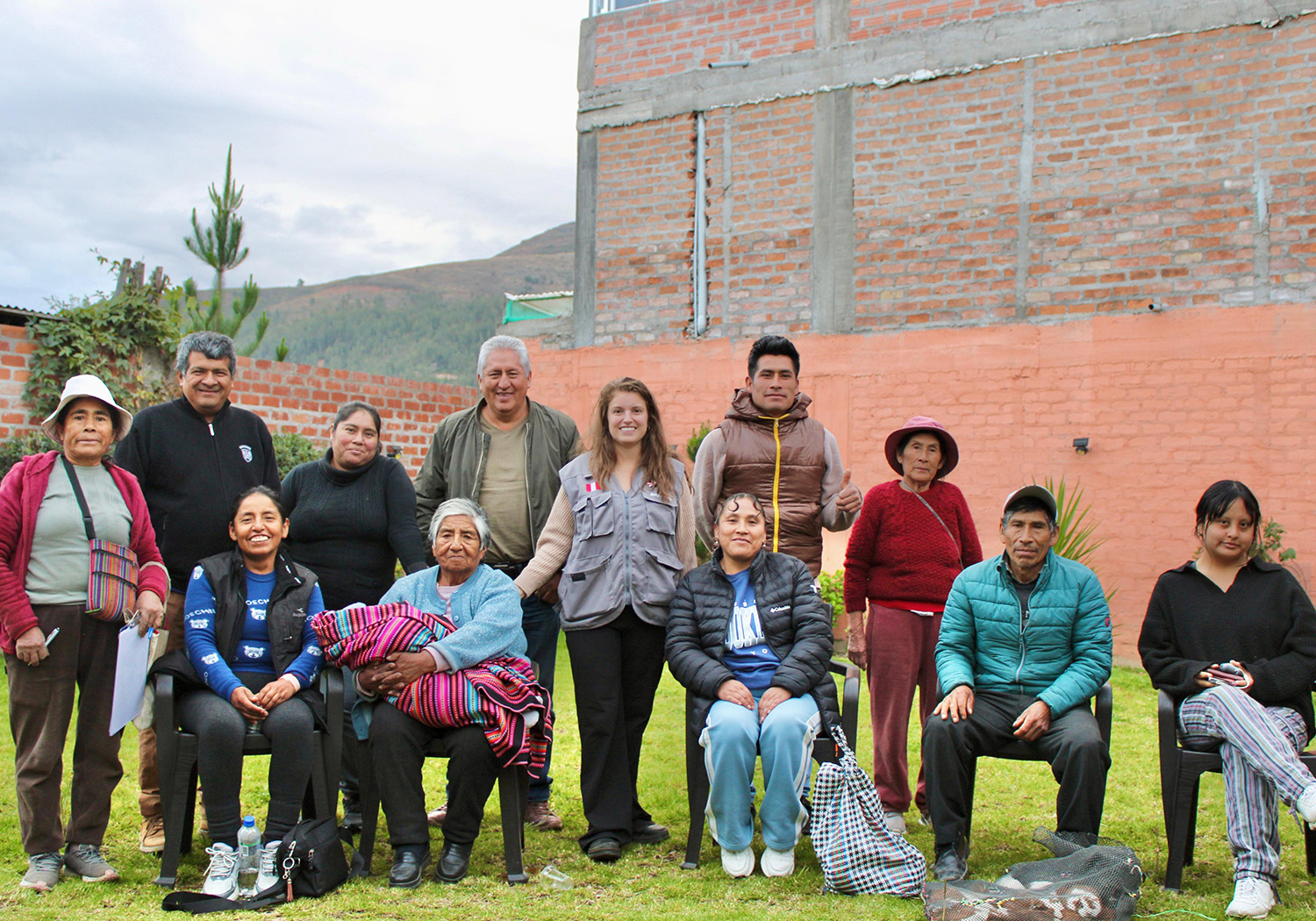
Emily Abriatis – Peru (2024-26)
Emily taught entrepreneurship and financial literacy workshops to young people and women, and she helped a group of women form a guinea pig cooperative.
“I was drawn to the Peace Corps because of an interest in global inequality. My time in Peru showed me firsthand the struggles that come from living in a multi-generational cycle of poverty. I was able to observe up close the essential role that quality education and a supportive family and community environment play in helping people improve their economic situations. My neighbors and students also showed me that anyone and everyone can play a role in making their community and society a better place.”
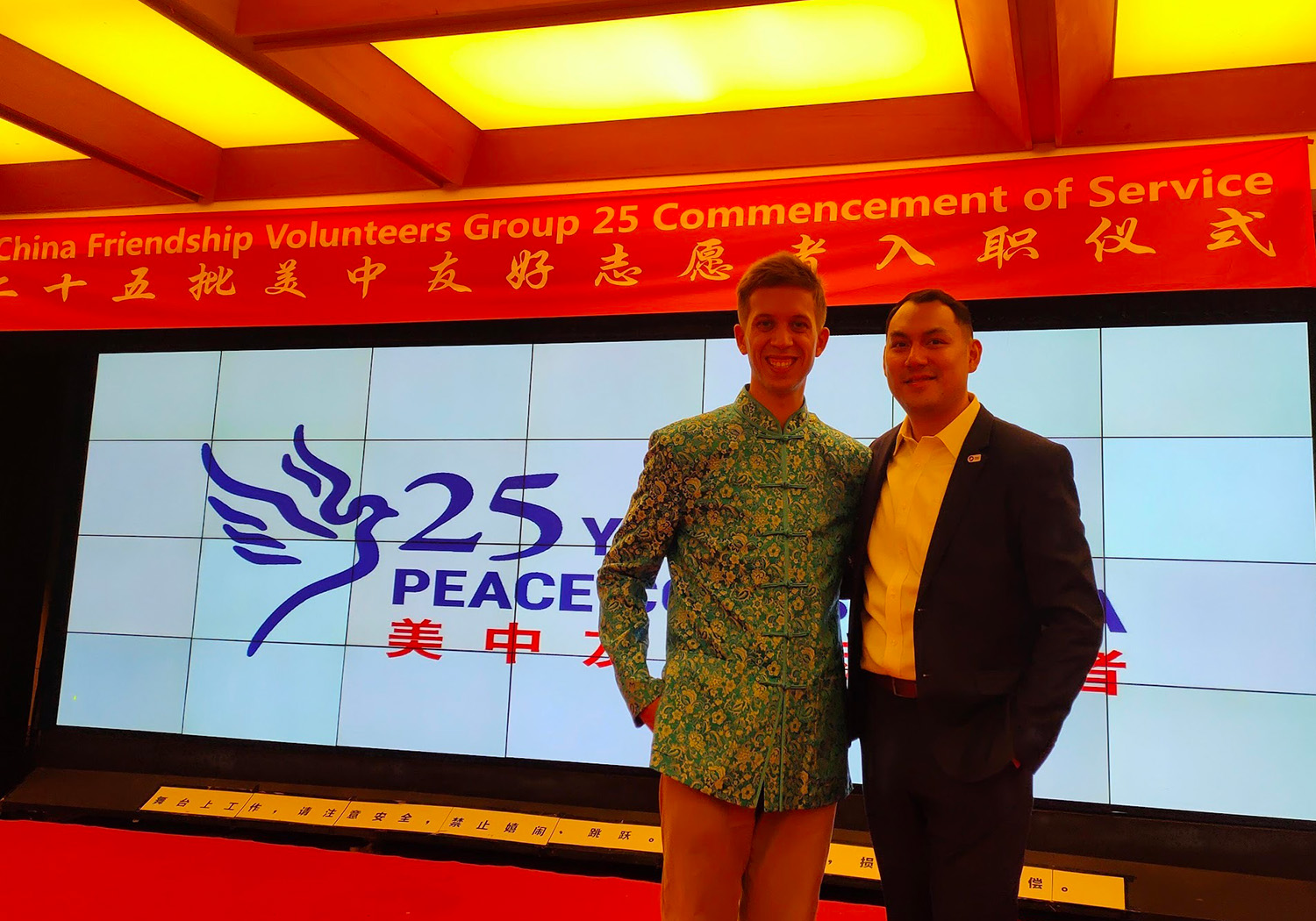
Aaron Anderson – China (2019-20)
Aaron taught English as a foreign language in an impoverished city in Southwest China and helped forge relationships there during a time of strained relations between the U.S. and China, until he was evacuated at the onset of the COVID-19 pandemic.
“The thing that really attracted me to the Peace Corps was this idea of a group of primarily young adults who all quit their jobs, sold their cars, moved across the world together, all in the hopes of doing a small measure of good. Reading through all of the materials from SPIA and Princeton, like the broader mission of being in the service of humanity, there was just a warmth to it all. I felt that more strongly with SPIA than with other policy programs…. Pre-SPIA, I have gotten my share of in-the-trenches work, which I’ve been incredibly grateful for. After the training that SPIA will give me, I’d like to work at a more macro level.”
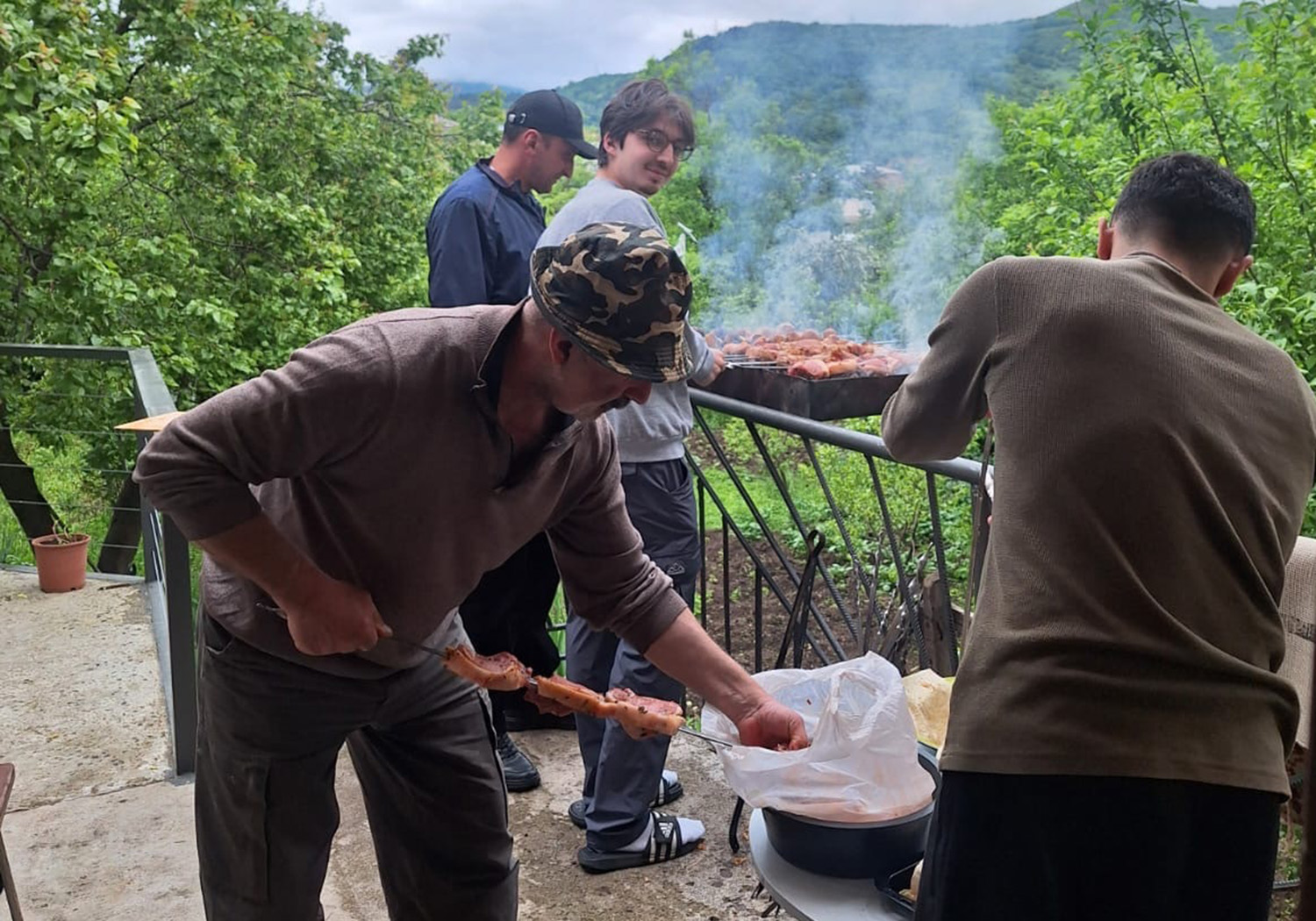
Spencer Chrein – Armenia (2024-26)
Spencer taught English, civic and outdoor education, and guitar to students, some of whom continue to play music and send him videos of them jamming together.
“At SPIA, I'm quickly gaining a lot of knowledge about the intricacies of international development. The gateway course for that field has been eye-opening for me in understanding how countries develop and what causes them to be stunted or grow very quickly. There's no one-size-fits-all for development, and so it validated me doing Peace Corps. Even within a small country like Armenia, I was living in a northern small town, which is very different than Yerevan in the center. Without the lived local experience, you might try to apply the same policy to everyone, because that's what's generally good for economic growth. Being able to put people into my understanding of outcomes has been really important.”
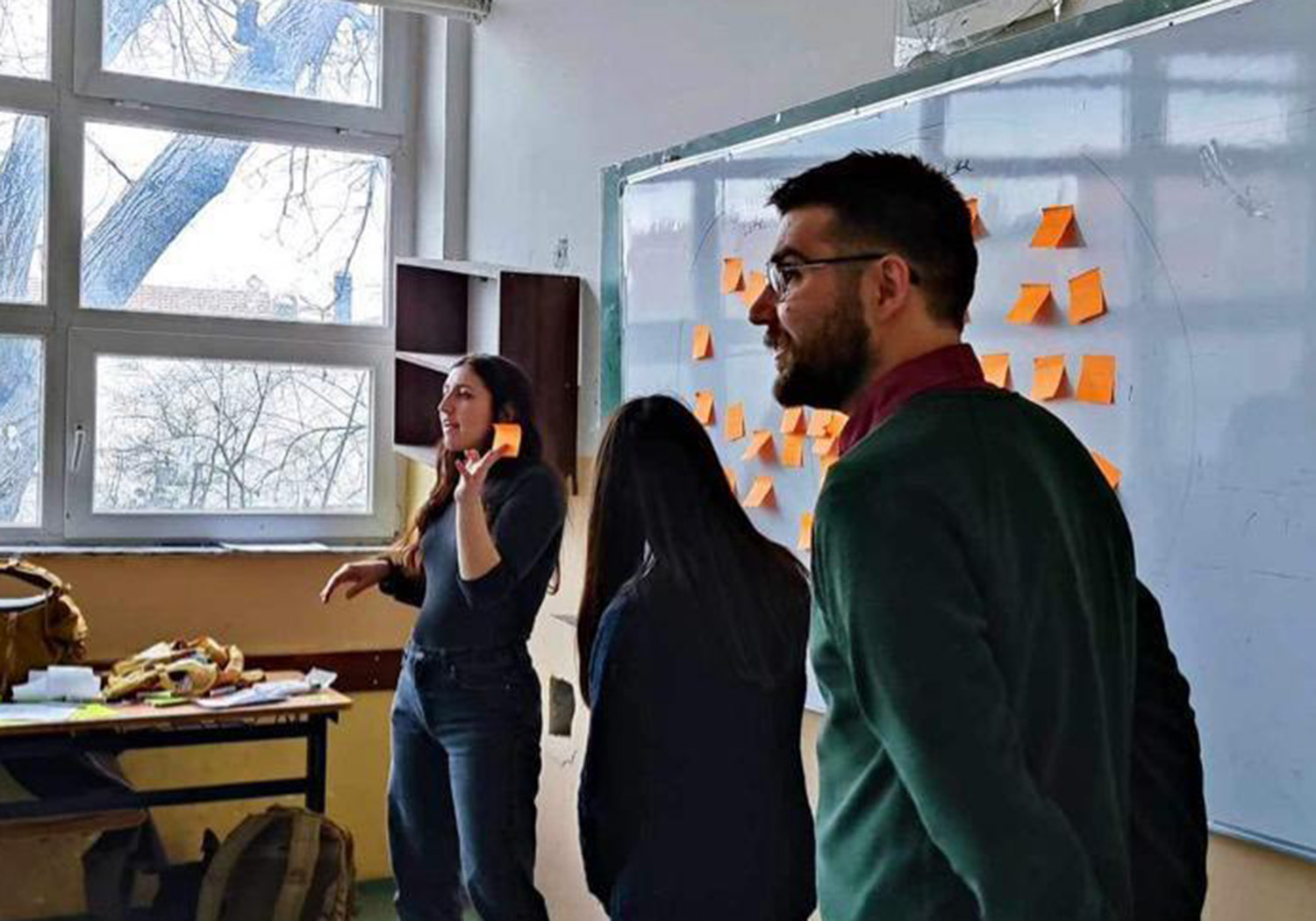
Elena Mieszczanski – Kosovo (2022-24)
Elena led an interethnic English language program that connected Albanian and Serbian youth who otherwise would have been unlikely to interact.
“When it came down to applying to grad school, I really wanted to get down to the nitty gritty of the human impact of policy problems. I think the public service component of this School and the peer interaction that's part of that — in addition to how that reflects how classes are taught and the opportunities that come out of it — are really important. I think that's also reflected in the number of [SPIA] people who did Peace Corps or Fulbright or other programs that involve some degree of service. I knew that that would be a strong part of the culture, so that was important to me, just because the cohort aspect of Peace Corps and us being able to learn from each other was such a strong part of that experience, too.”
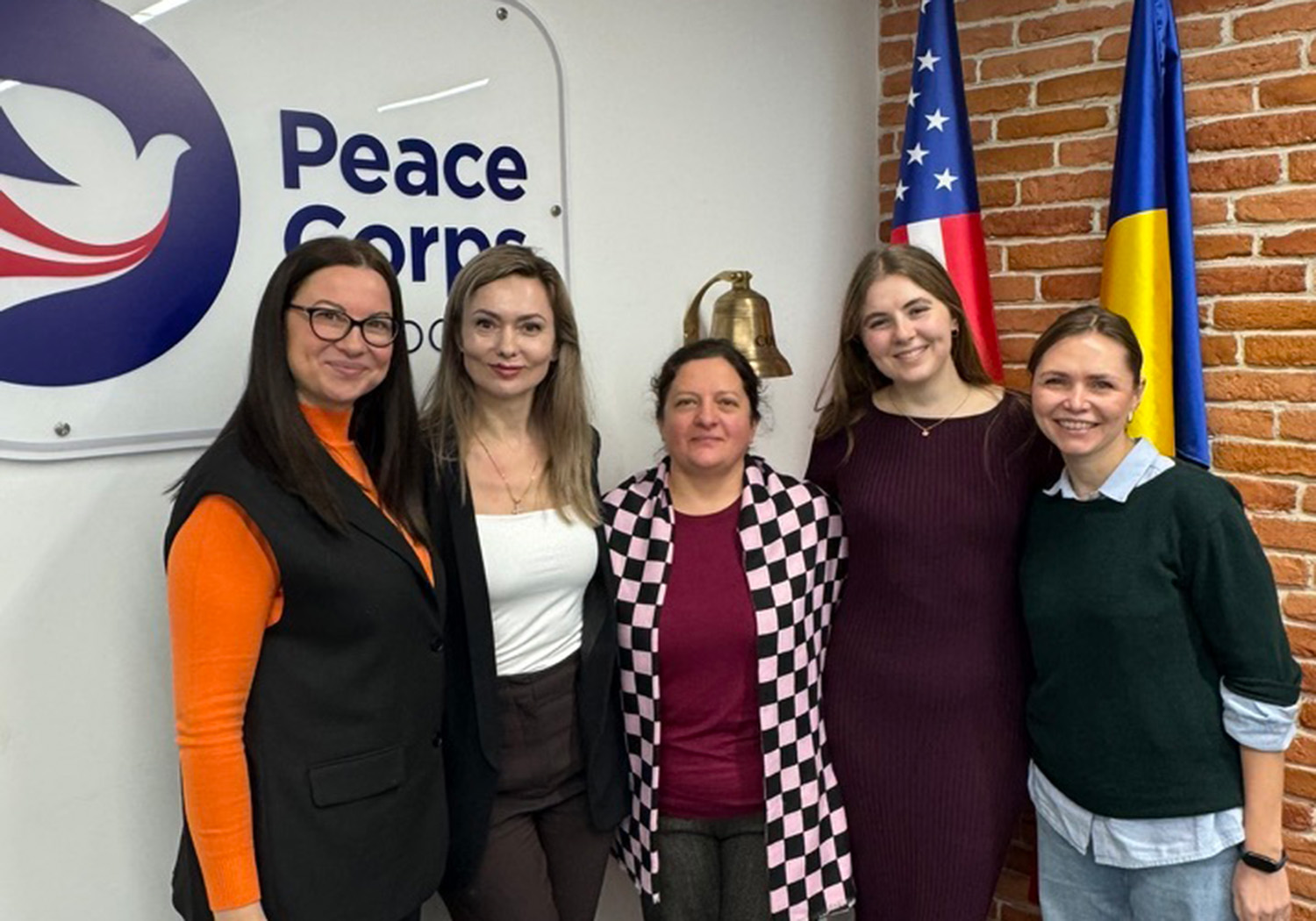
Ella Nebeker – Moldova (2023-25)
Ella worked on program capacity work at a youth center, and she helped organize and tour a theatrical production to raise awareness about domestic violence and available resources.
“The Peace Corps really helped me recenter and reframe the idea that if I just learn a little bit more, I’ll know how to fix this problem. Like if I just understand economics a little bit better, there will be a way to solve economic inequality. In Peace Corps, part of the project planning process is focusing on the resources you have rather than focusing on what you don’t have and want to achieve…. I was working on the exact projects I’d wanted to work on my whole life, that I’d always said that local action was too small for and it wouldn’t have enough benefits. I was addressing these issues from the village perspective, and I was able to see the benefits, and it was positively affecting people’s lives. It really helped me to identify that it was local work that I loved doing, and it’s also a feasible way of creating change that I dismissed for a long time.”
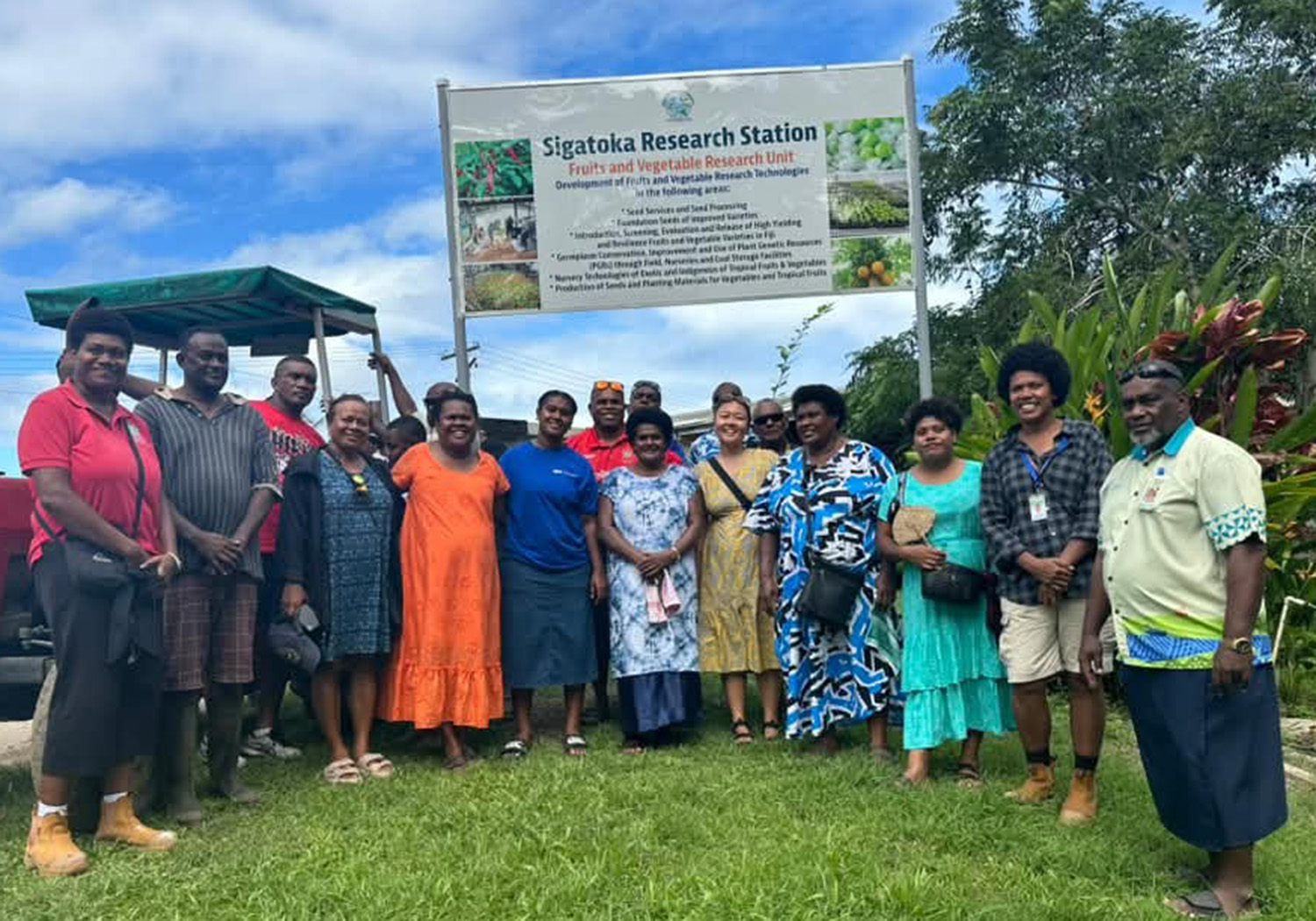
Katie Zhao – Fiji (2024-26)
Katie’s projects in Fiji included working with rural women leaders and the United Nations Development Programme to improve conditions for women in the agricultural sector, including gender reform in land policy and financial literacy.
“A lot of the work I was doing was grassroots-based and very people-focused…. I thought, how do you effectively do this at scale and sustainably and in the right way — bringing in the core demographic that we're actually trying to make an impact for? I think that experience led me to think about grad school and how I can build this toolbox for myself…. My time in Fiji shapes the way that I'm receiving all of the information that I'm getting in class. I have been feeling overwhelmed, but in a really good way. I'm learning so much. I really like SPIA’s core curriculum. It's very comprehensive, and it hits on a lot of different aspects of effective policy work, effective development work, and I've been able to see different aspects of how this relates to what I was doing in Fiji."
Learn more about the master in public affairs (MPA) degree program at Princeton SPIA.
Clockwise from top left: Emily Abriatis, Aaron Anderson, Spencer Chrein, Katie Zhao, Ella Nebeker, Elena Mieszczanski.
Headshots and photos courtesy of Emily Abriatis, Aaron Anderson, Spencer Chrein, Elena Mieszczanski, Ella Nebeker, and Katie Zhao.