

SPIA Afghanistan Policy Lab




Publications: Policy Papers
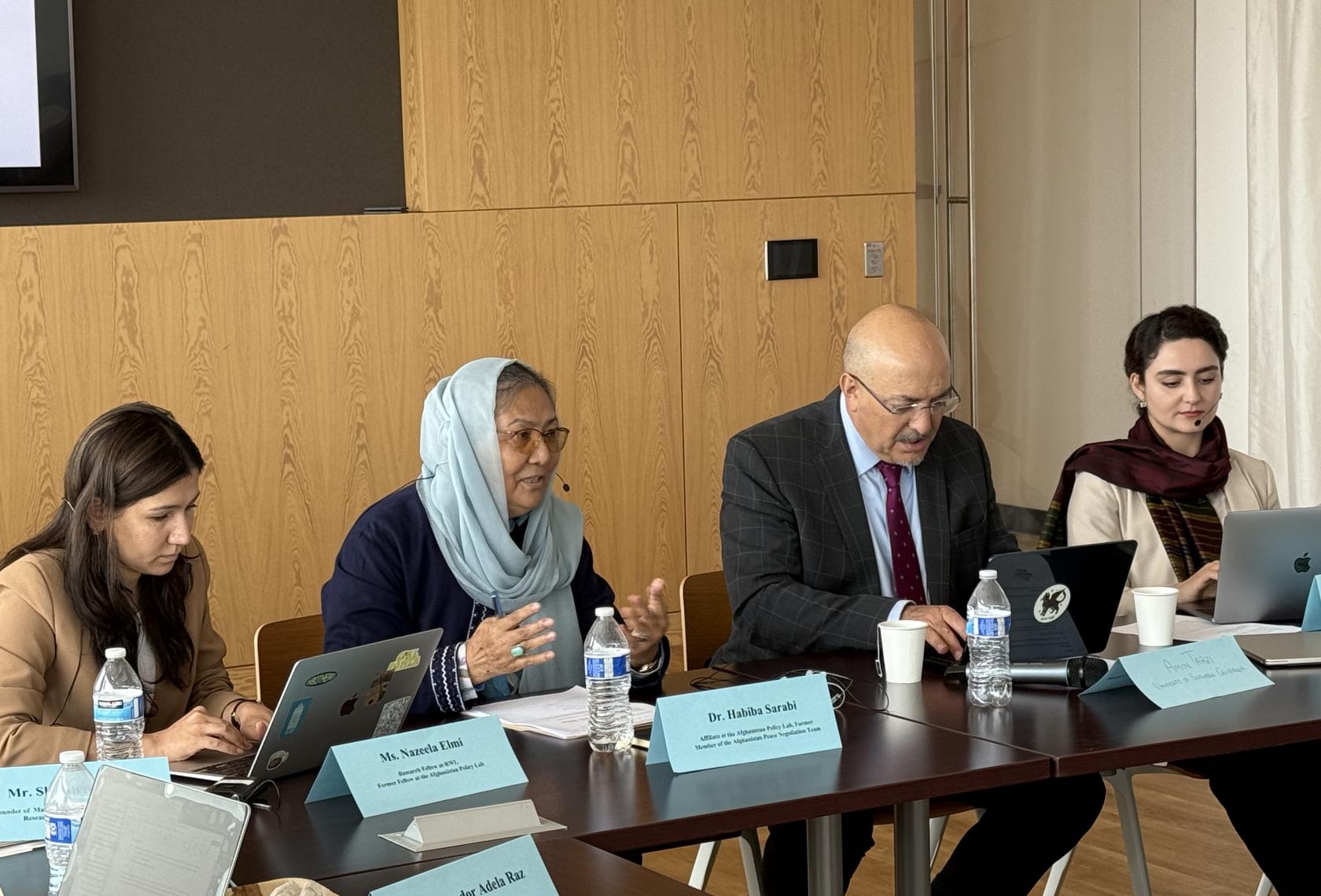
Rethinking Peacebuilding in Afghanistan: From Elite Deals to Local Healing and Acknowledgment

Recommendations for UN Member States and UN Leadership about UNAMA’s Mandate Renewal

Empowering Afghan Girls and Women: Artificial Intelligence Education Model
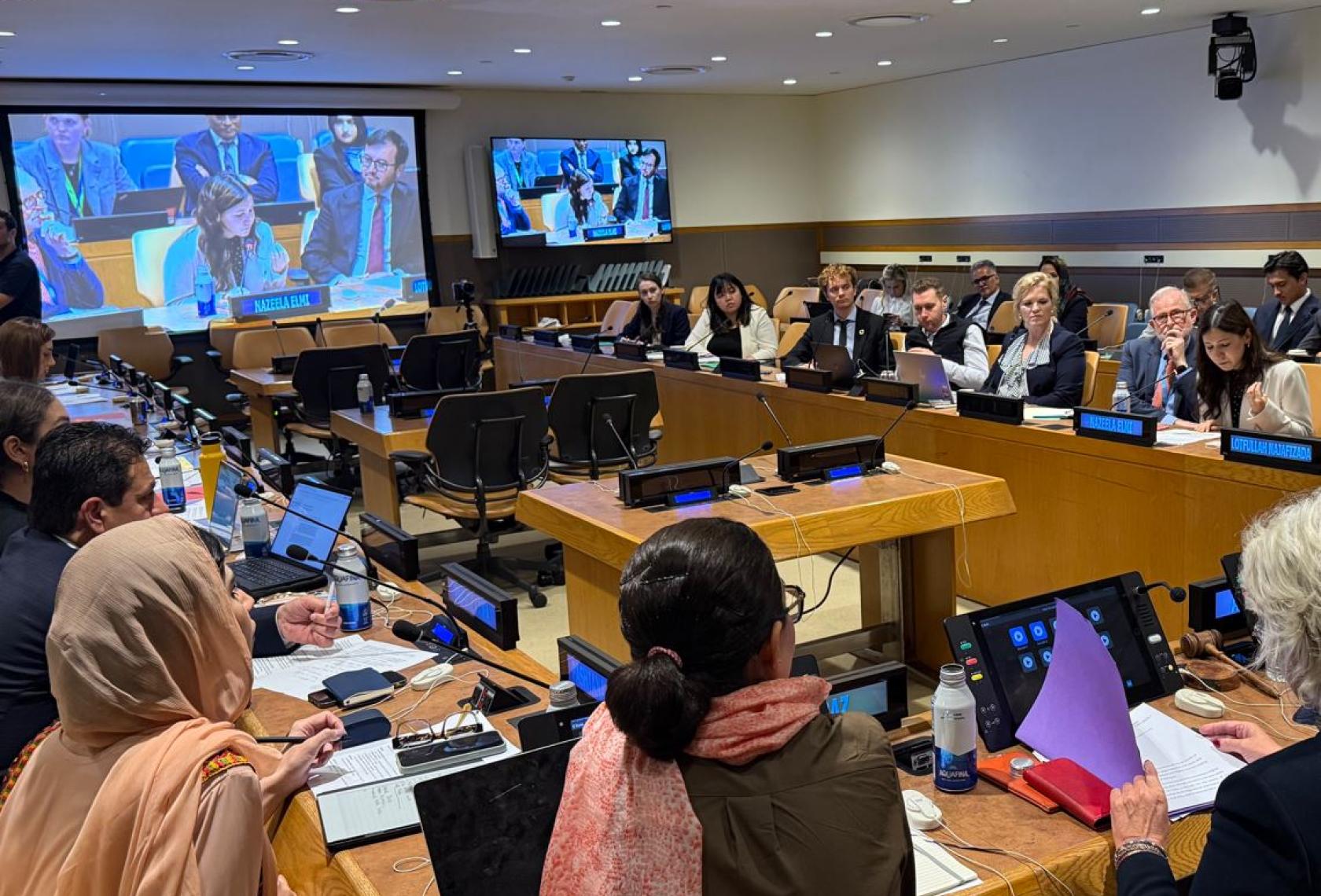
Reclaiming the Future: Rethinking Peace and Transitional Justice with Afghan Youth Amid Deepening Existential Threats
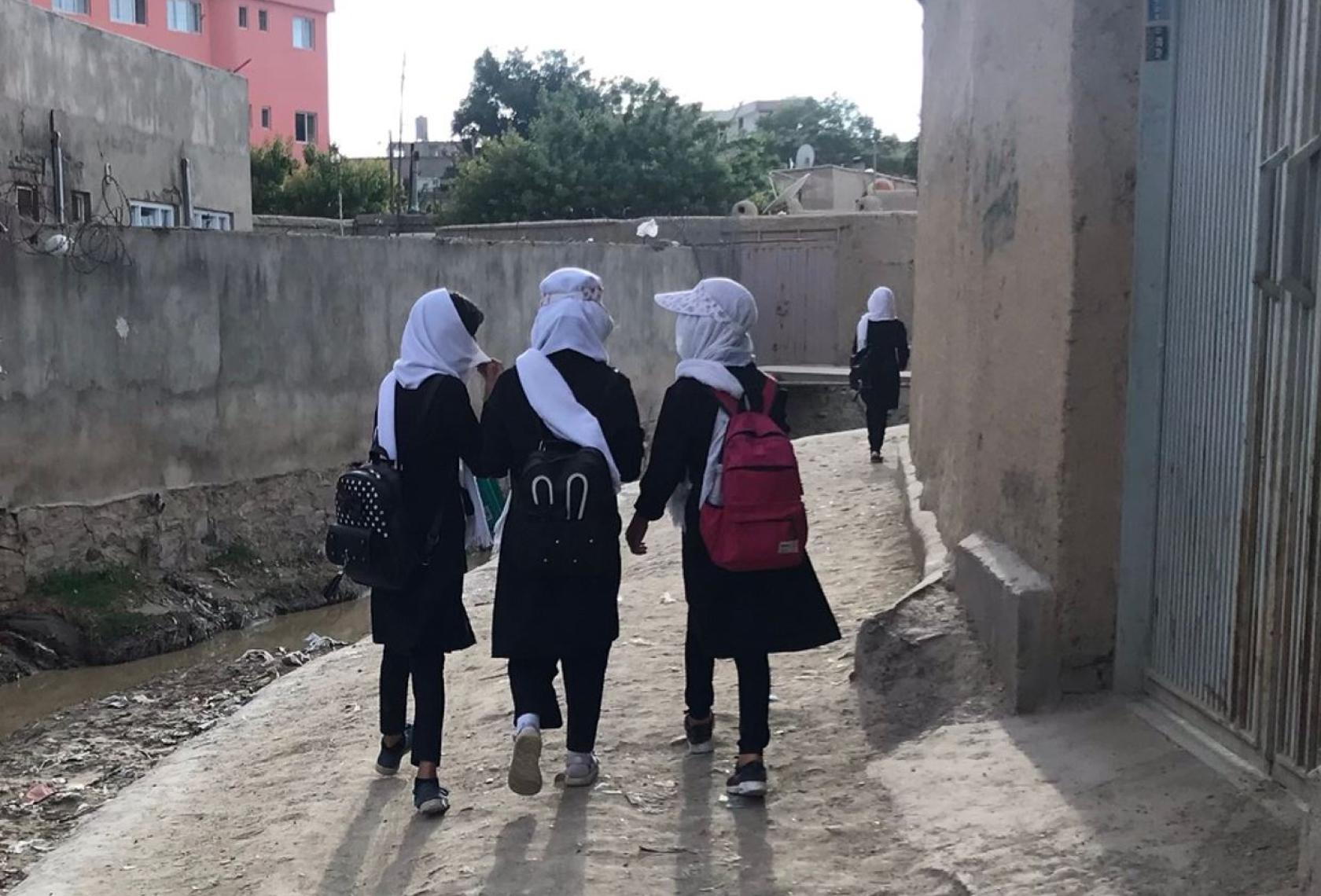
A Holistic Framework for Educating Girls in Taliban-Controlled Afghanistan

An Investigation Report: Supporting Afghan Women Protesters

Assessing Key Trends in The Afghan Economy Three Years into The Taliban Rule
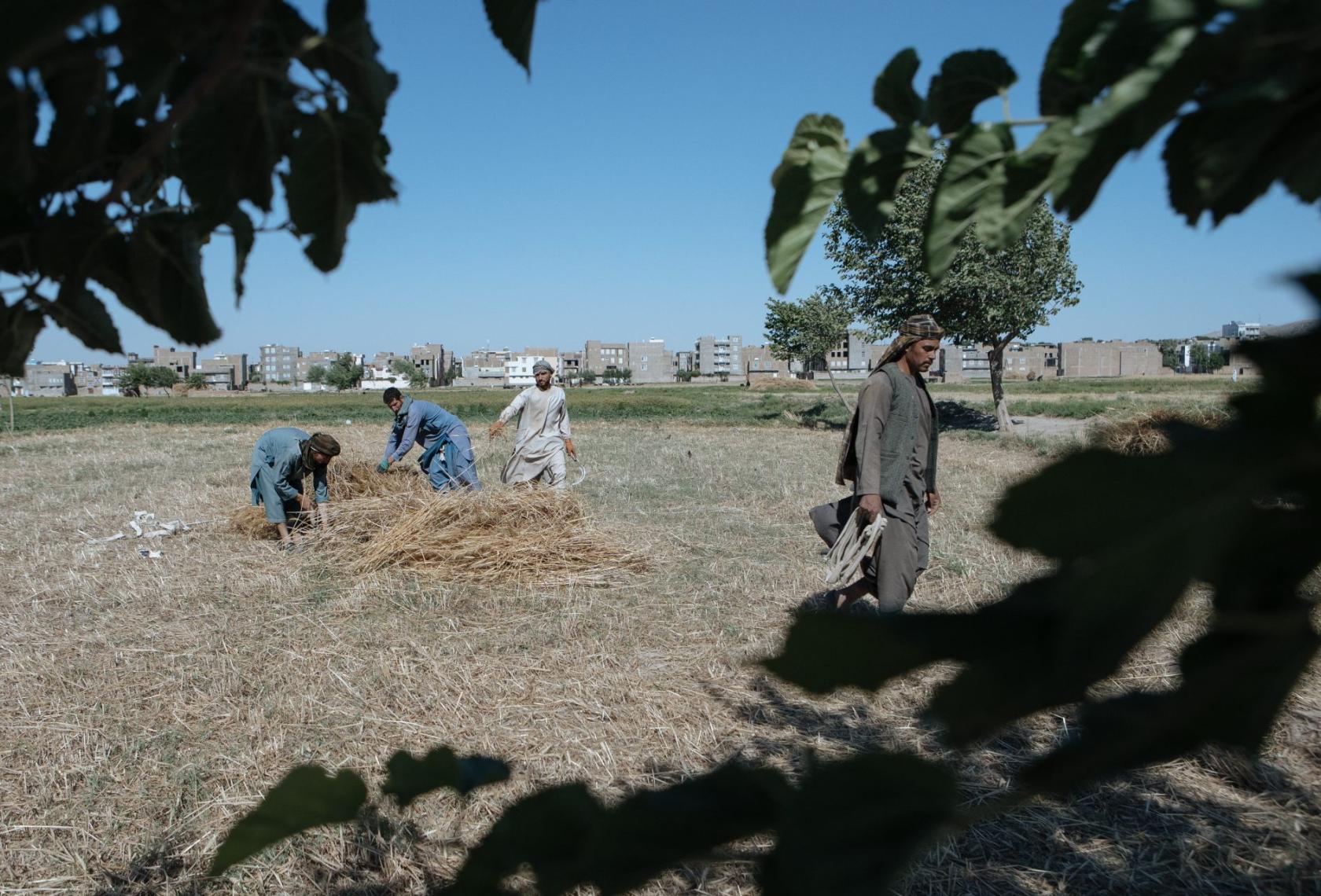
The Correlates of Food Insecurity in Afghanistan
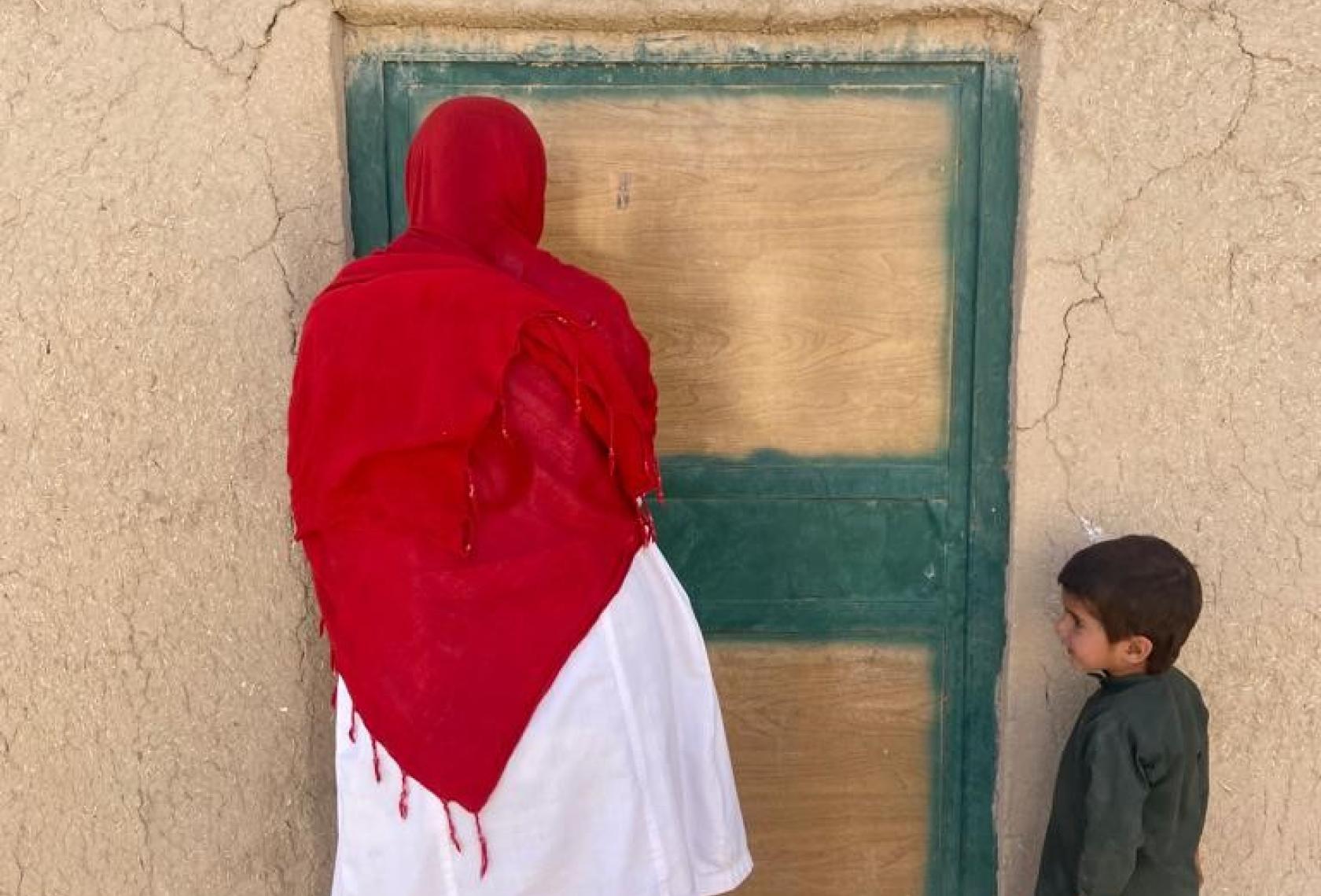
Adapting and Sustaining: Responses to the Taliban Takeover and Health System Disruption in Afghanistan
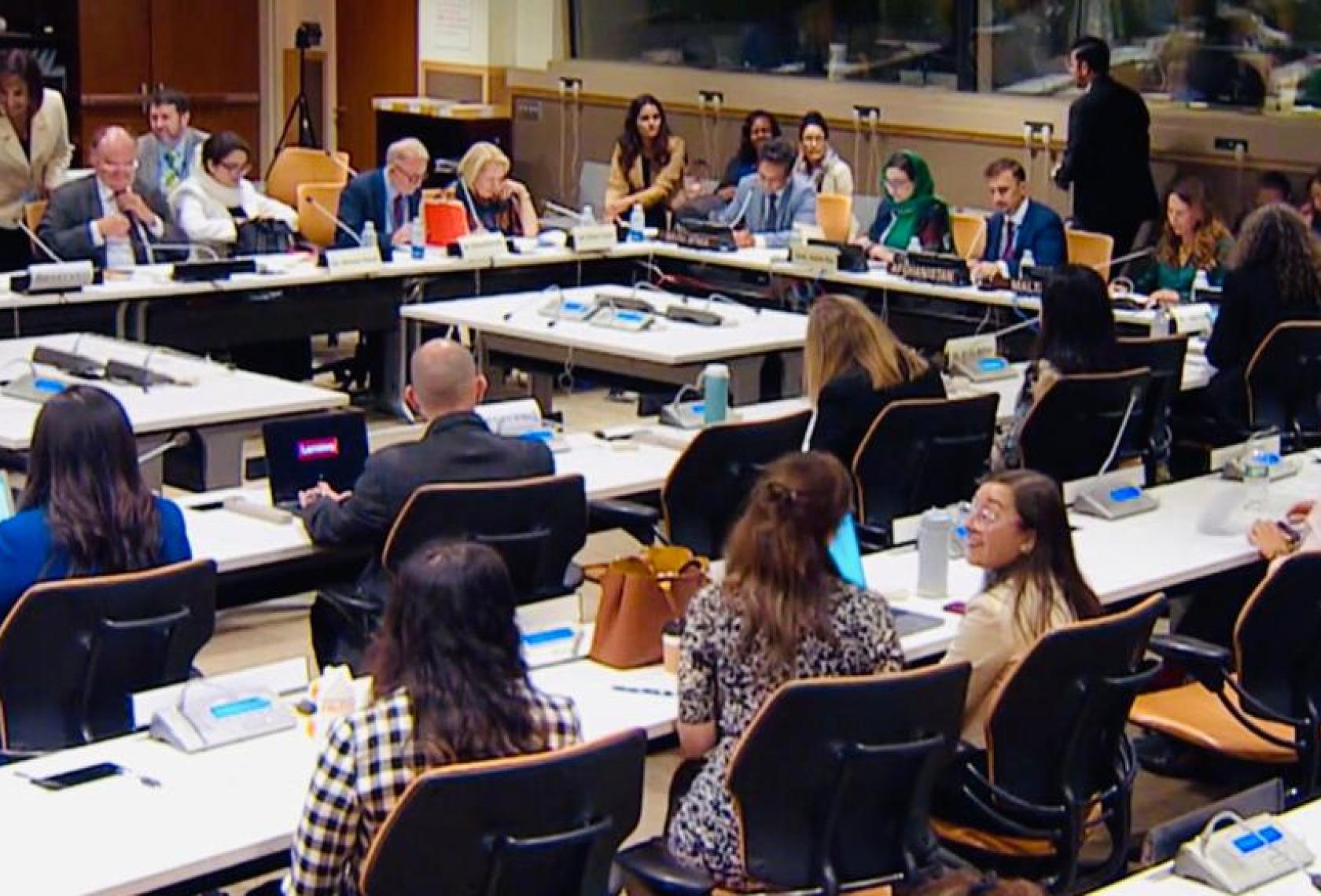
Combatting Gender Apartheid: The Situation of Women and Girls in Afghanistan
“Bright Spots”: Challenges and Opportunities for Sustained International Engagement in Afghanistan
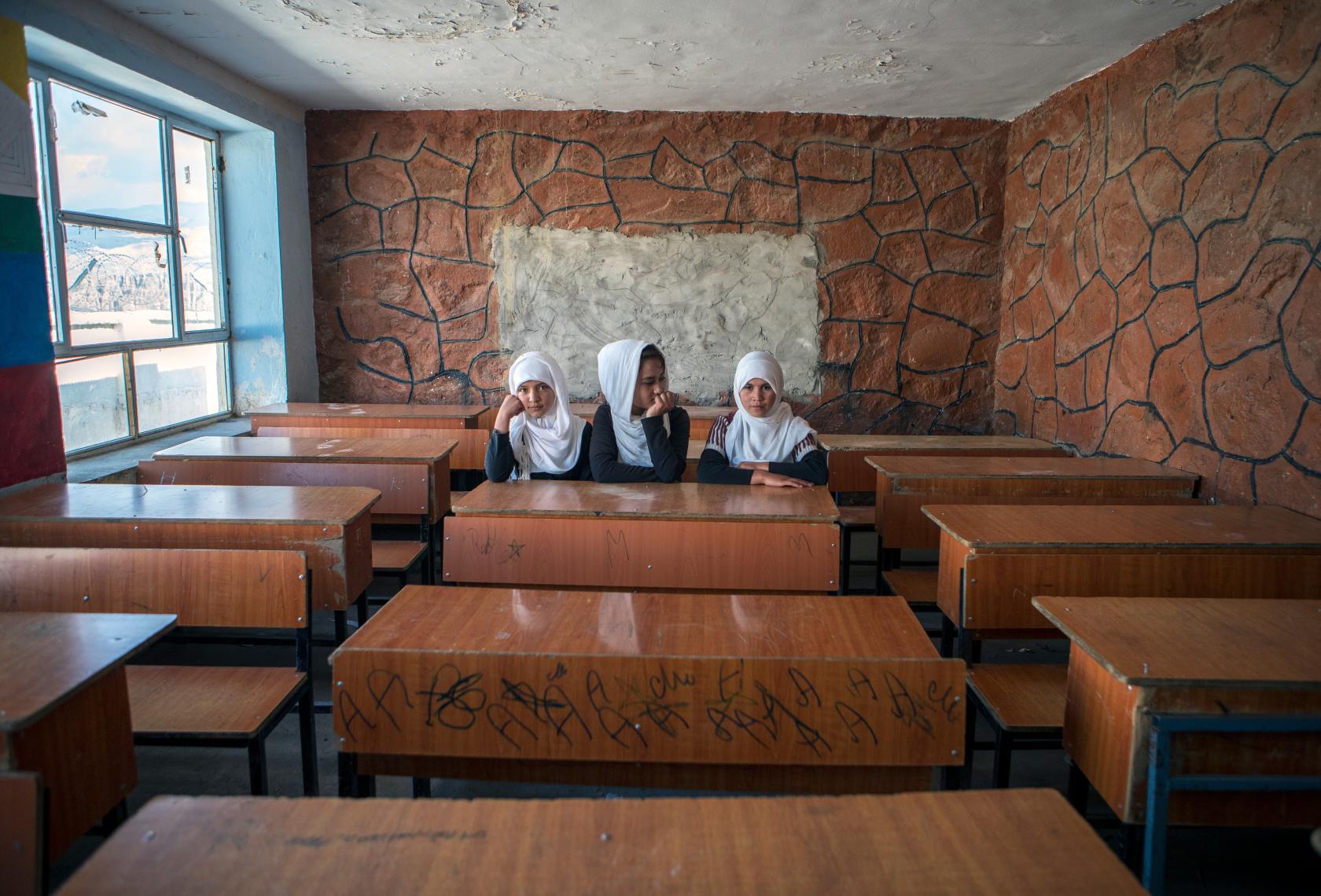
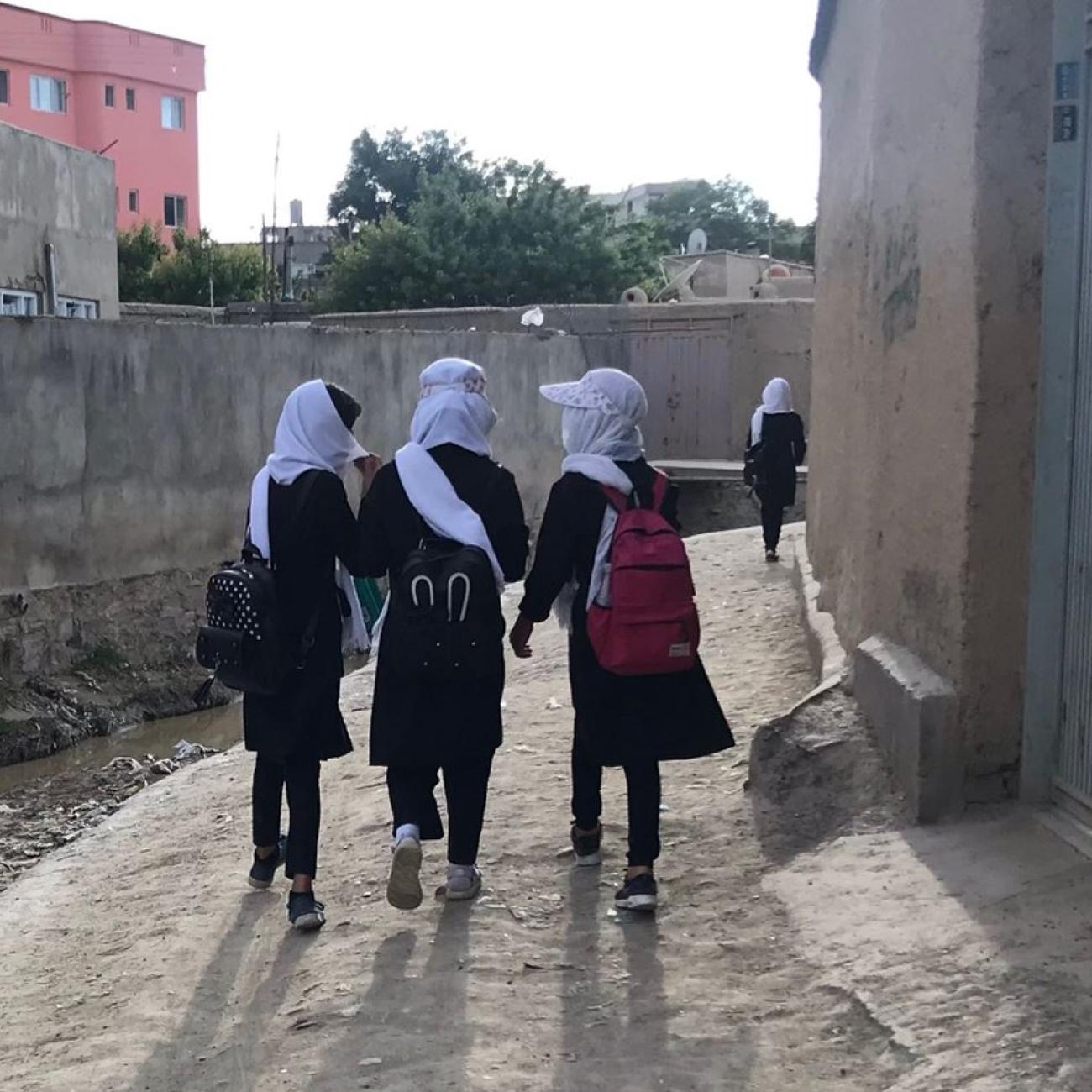
The War on Schoolgirls: Responding to the Education Crisis in Afghanistan
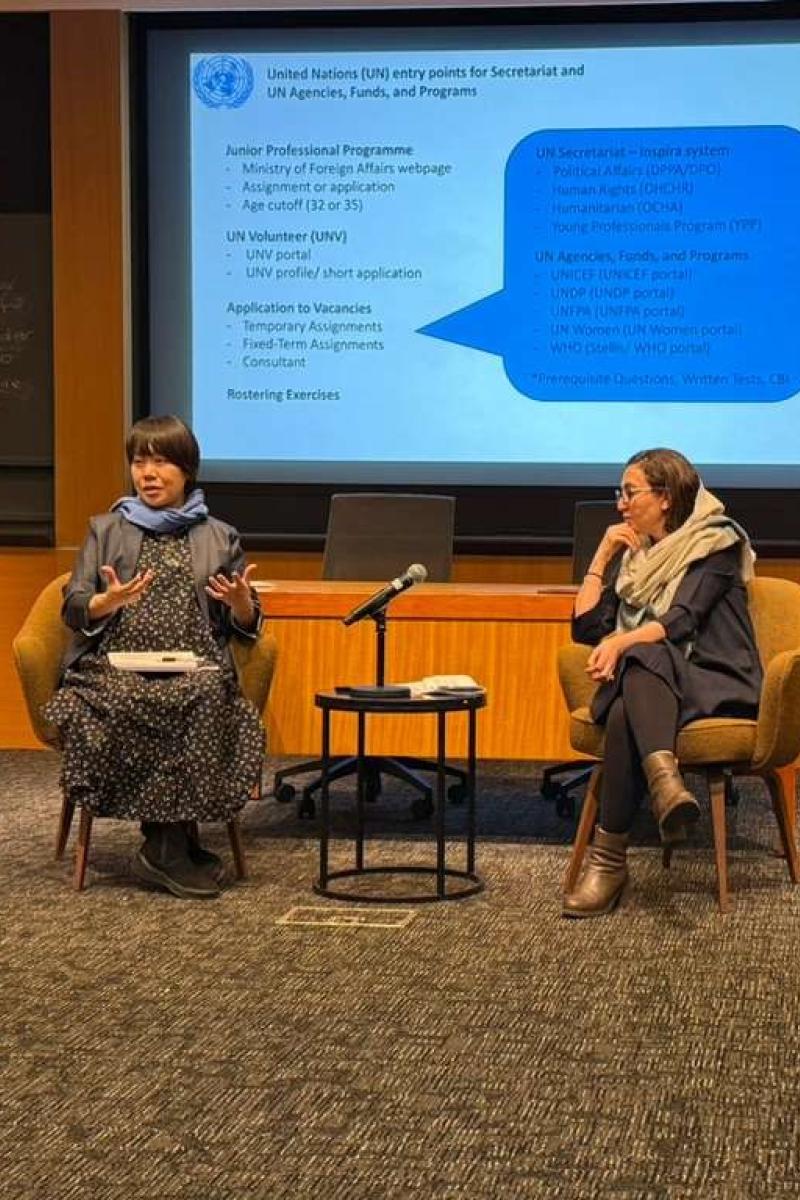



Insights, Interviews, & Reports


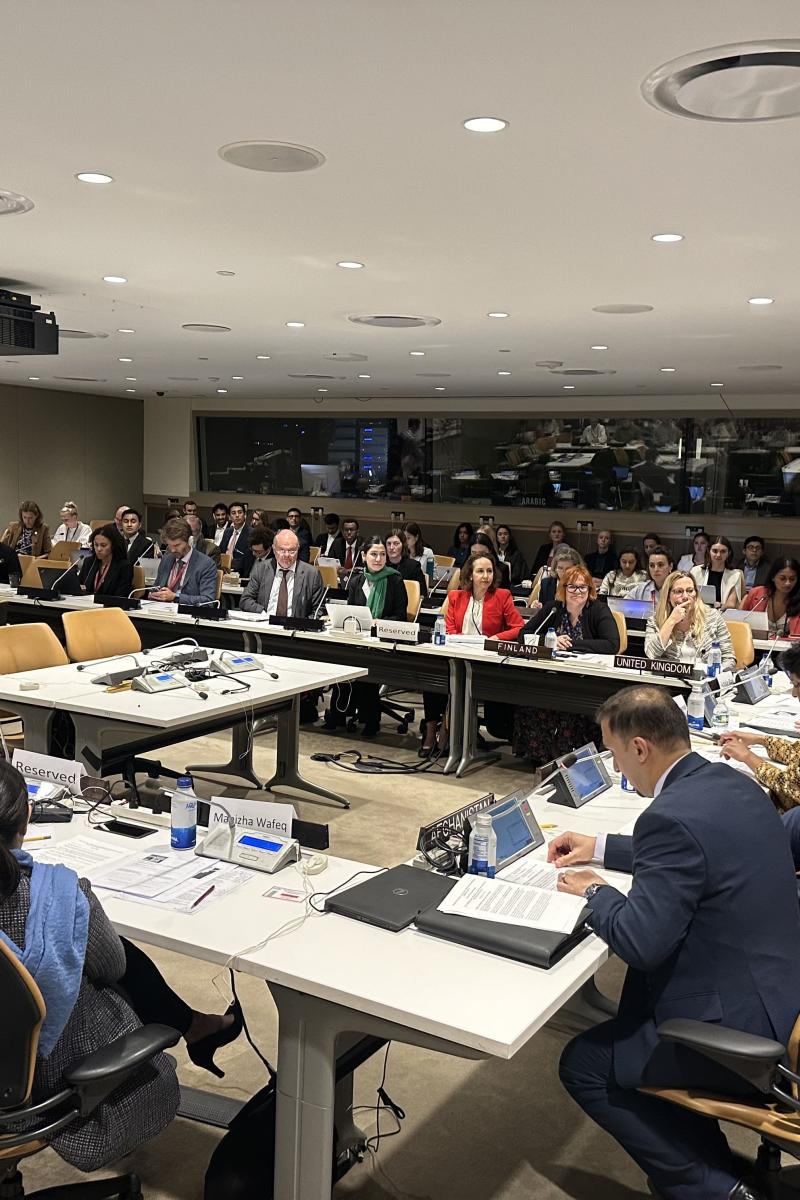
Upcoming Events
Past Events


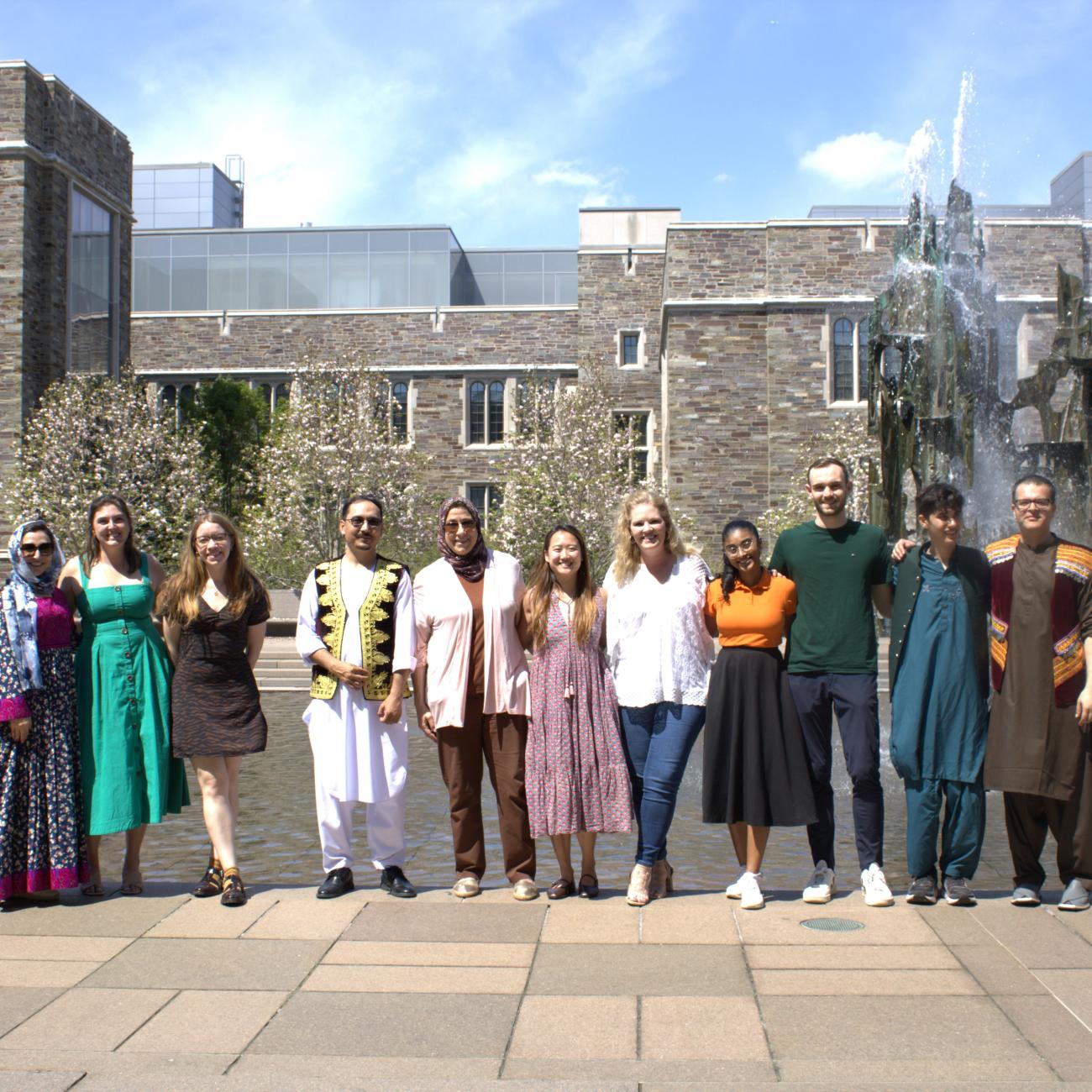
Announcing the SPIA Afghanistan Policy Lab Initiative

“Our School is committed to being responsive to needs within the global community and providing humanitarian support. We are honored to support these fellows and welcome them to Princeton — especially in the face of turmoil. Their contributions will address the impact of the U.S. withdrawal from Afghanistan and will influence policy recommendations for the country.”
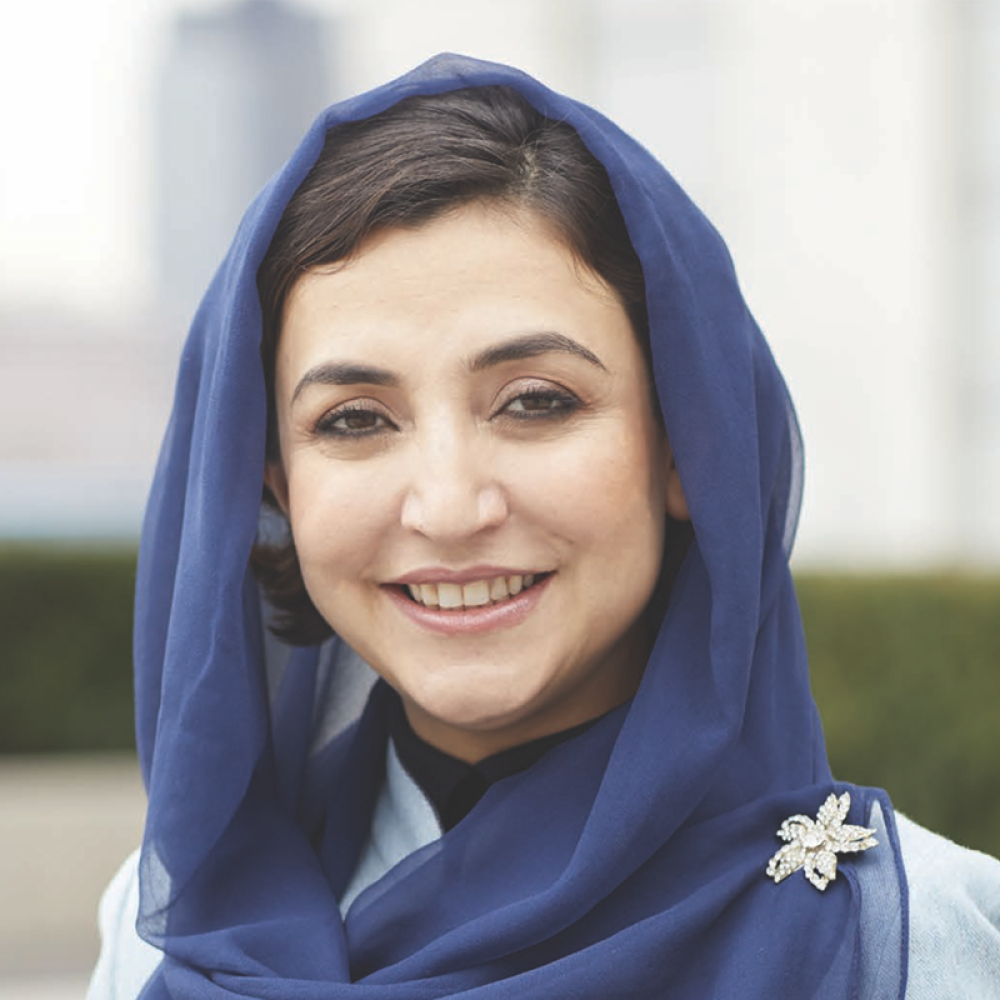
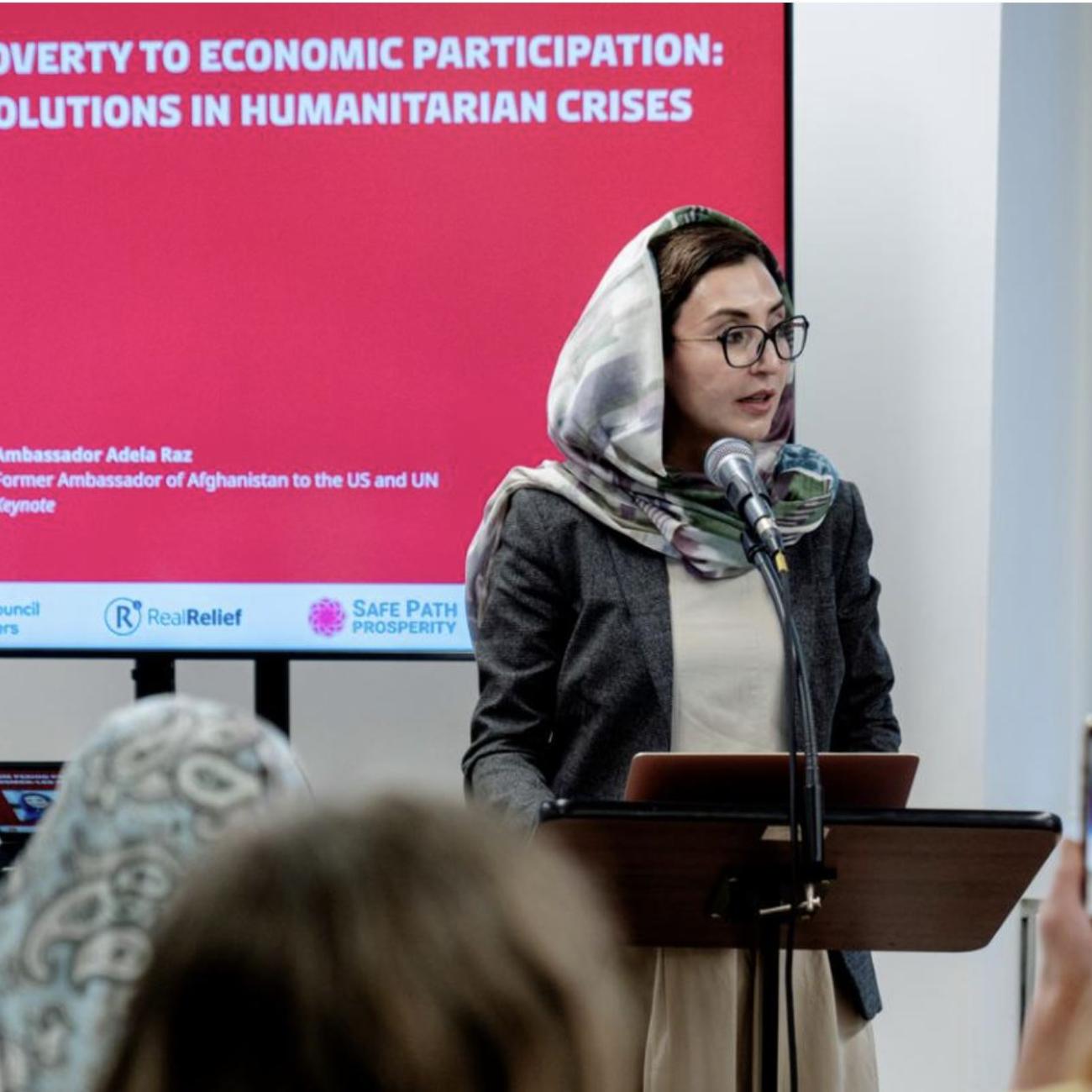
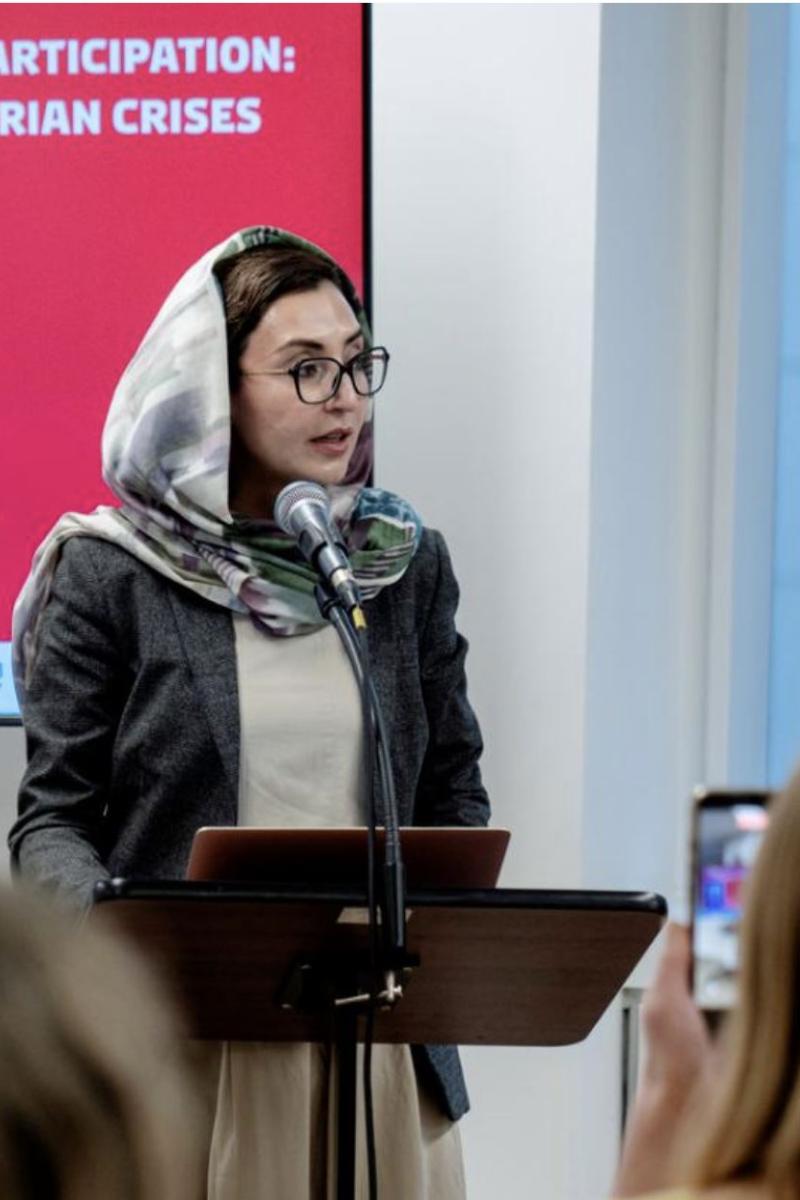
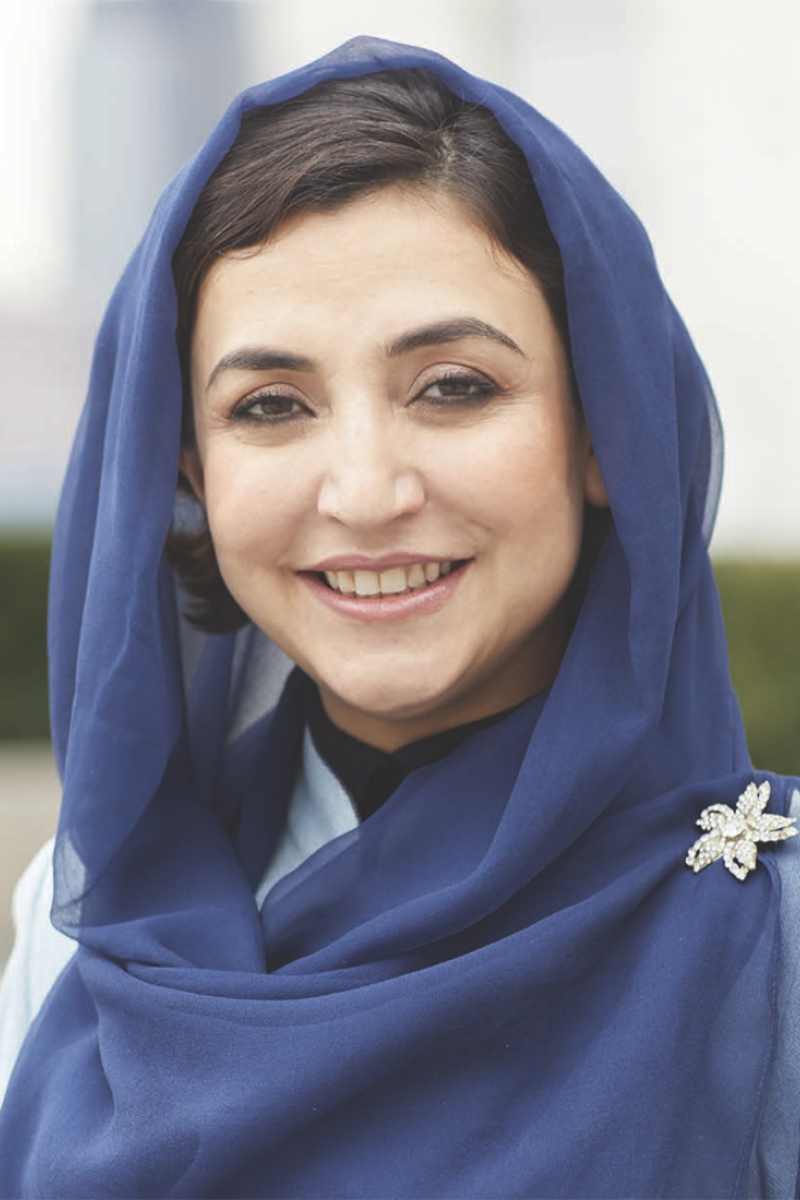
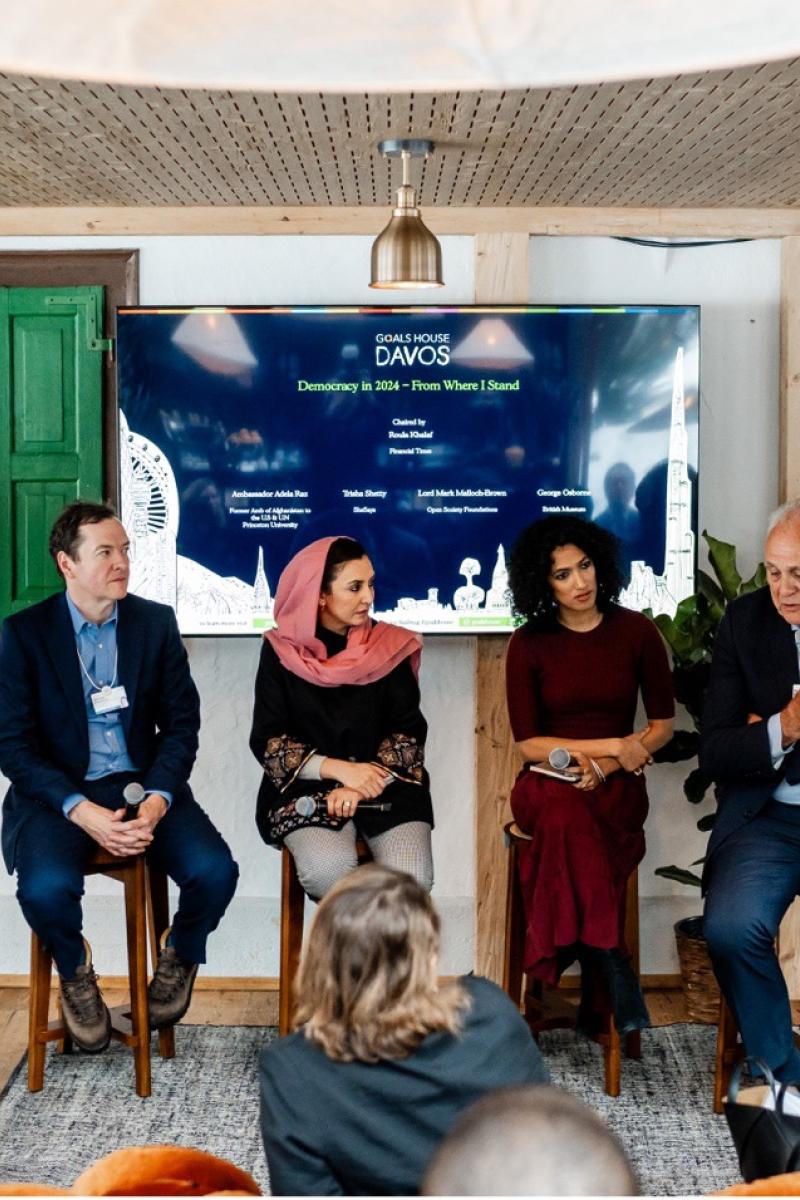
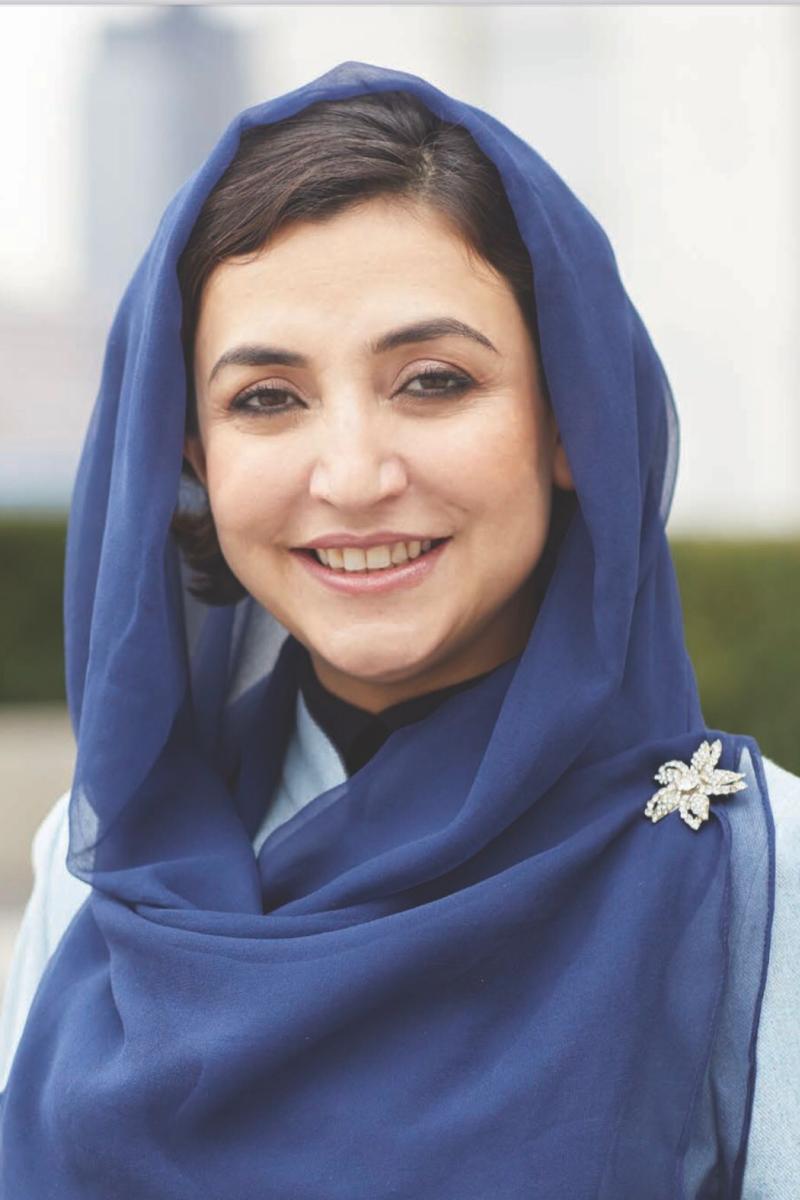
Ambassador Adela Raz is the Director of the Afghanistan Policy Lab at Princeton's School of Public and International Affairs. Alongside this role, she serves as a Visiting Fellow at the Hudson Institute, sits on the UN Independent Expert Advisory Panel for the Multidimensional Vulnerability Index (2026–2030) as appointed by Secretary-General António Guterres, and is an advisory board member of the Reykjavik Global Women Forum.
Ambassador Raz is one of the most consequential Afghan diplomats of her generation. She served as the last Ambassador of the Islamic Republic of Afghanistan to the United States, representing her country through one of its most turbulent chapters. Before that, she made history as Afghanistan's first female Ambassador and Permanent Representative to the United Nations, where she rose to become Vice President of the 75th session of the UN General Assembly. The President of the General Assembly also appointed her to co-coordinate the UN's COVID-19 response, placing her at the center of global crisis management during one of the world's most urgent public health emergencies.
Earlier in her career, Ambassador Raz served as Afghanistan's Deputy Foreign Minister, directing the country's regional and economic cooperation strategy. She led major international platforms, including the Regional Economic Cooperation Conference on Afghanistan and the Heart of Asia–Istanbul Process, and was instrumental in negotiating key outcome documents at the Brussels (2016) and Geneva (2018) Donor Conferences on Afghanistan.
In 2013, she broke new ground again as the first woman to serve as Deputy Spokesperson and Director of Communications for President Hamid Karzai.
She began her career at the United Nations Assistance Mission in Afghanistan (UNAMA) before working with several international development organizations in the United States and Afghanistan.
Ambassador Raz holds a Master of Arts in Law and Diplomacy from the Fletcher School at Tufts University, a certificate in International Development from Fletcher, and a Bachelor of Arts with honors from Simmons University, where she triple-majored in International Relations, Political Science, and Economics.