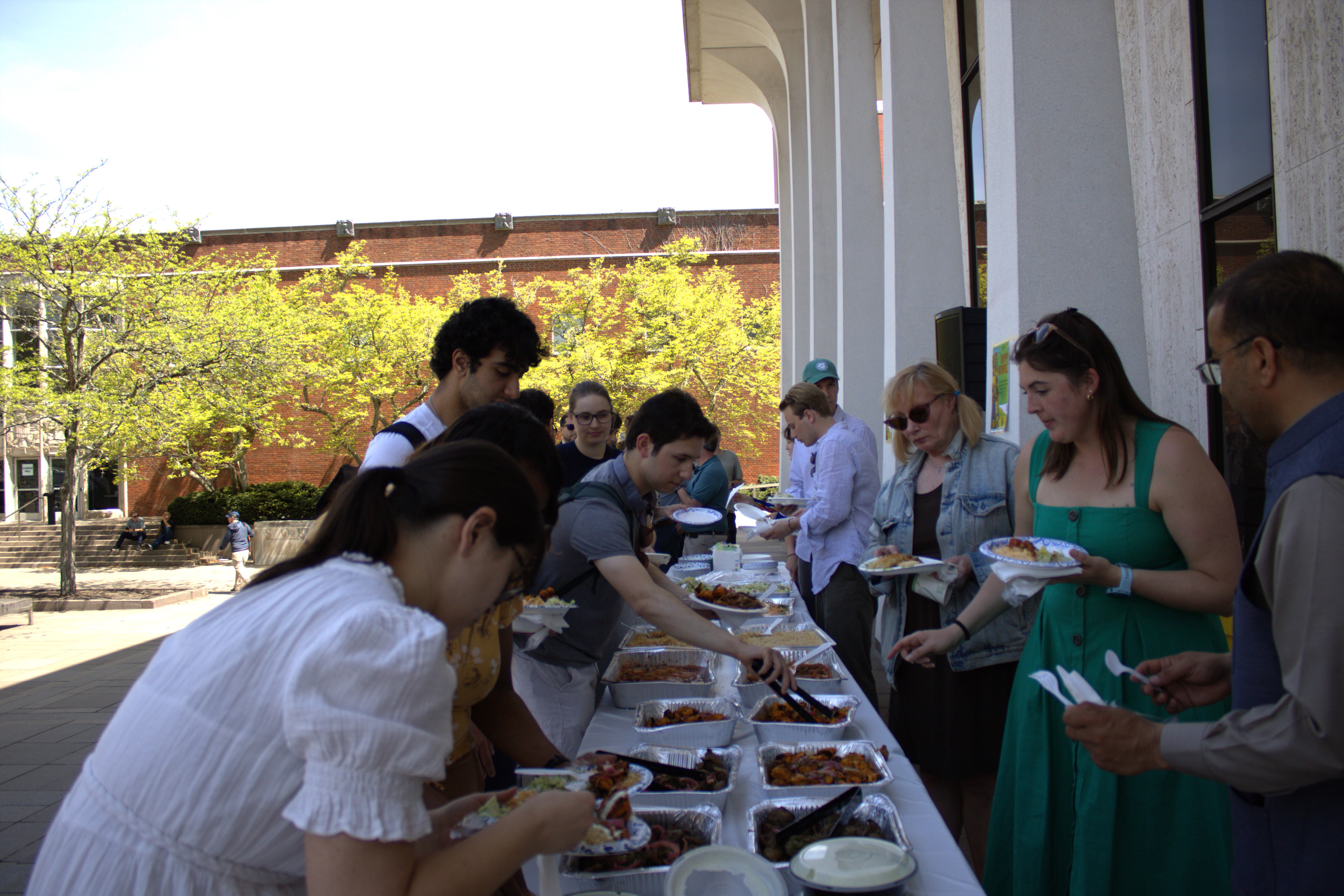


On April 15, the Afghanistan Policy Lab (APL) at the Princeton School of Public and International Affairs hosted its annual Nowruz celebration for the School’s faculty, staff, and students.
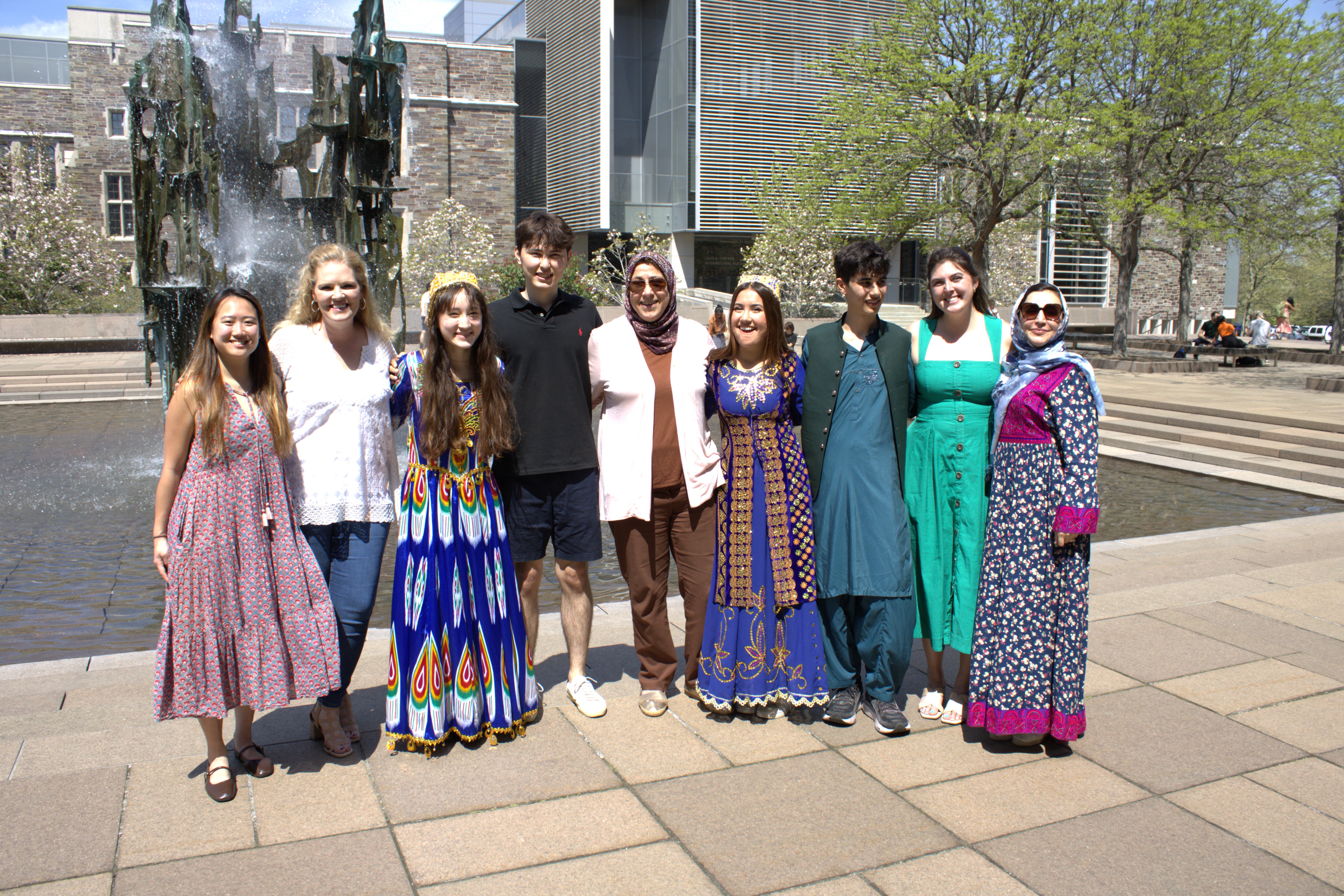
The event began with opening remarks by Princeton SPIA Dean Amaney Jamal, who emphasized the importance of community, diversity, and togetherness.
“I welcome all of you to the Nowruz celebration as part of our annual tradition,” Jamal said. “It reflects our diverse cultural symbolism, besides being a spring holiday. As a school, its celebration embraces our diversity in many forms, where every individual feels they belong in its entirety.”
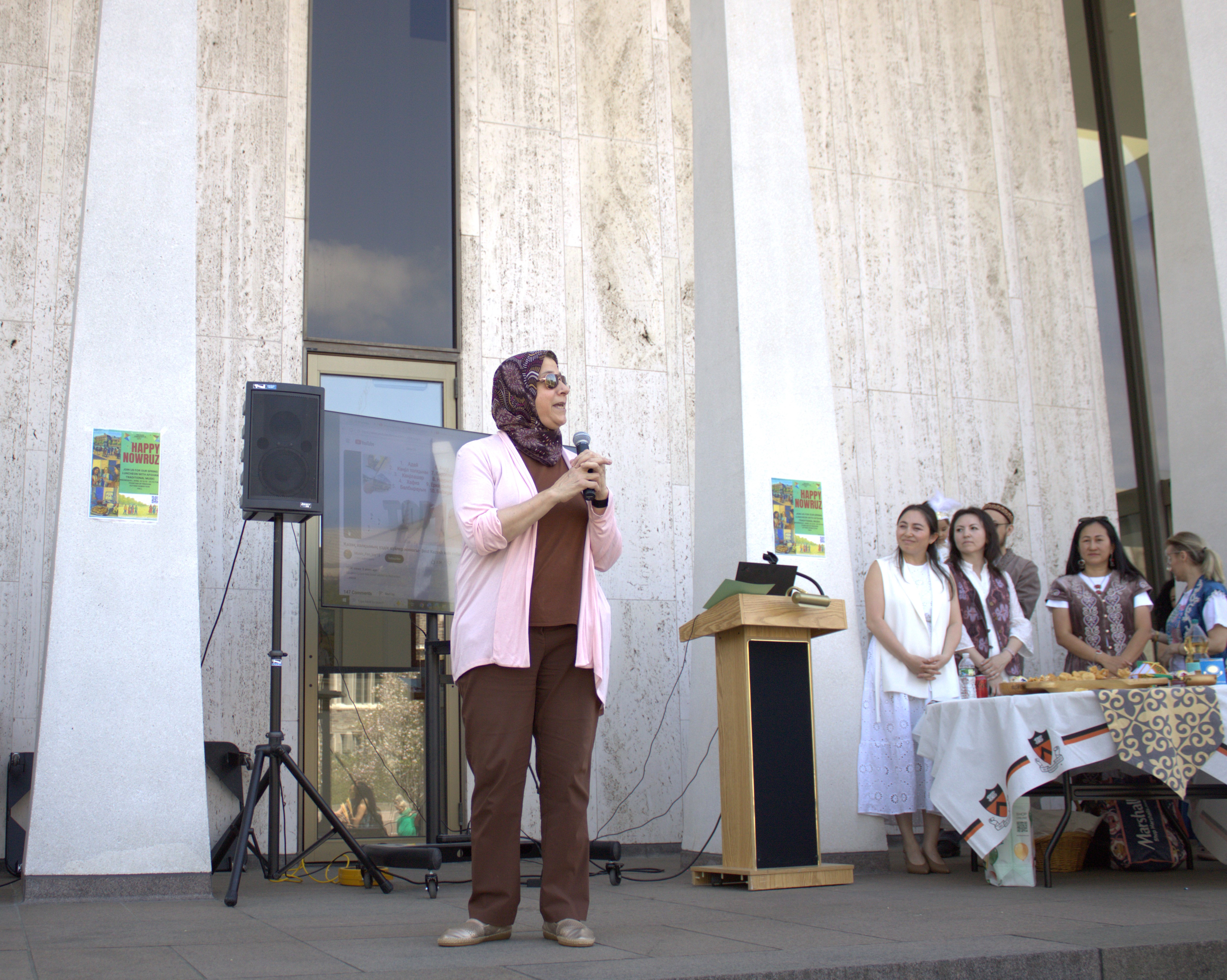
She further highlighted embracing the spirit of the celebration, which is about peace, community, love, and compassion.
A Nowruz video created by Elaha Alizada, a SPIA sophomore, reflected on Nowruz celebrations in Afghanistan. In the video, she described well the historical background of Nowruz.
“Nowruz, meaning ‘new day,’ marks the first day of spring and the beginning of a new year,” Alizada said. “Its roots go back over 3,000 years, across regions stretching from Central Asia to the Middle East, from the Caucasus to South Asia.”
The video also captured moments of the three previous Nowruz celebrations at Princeton SPIA, highlighting how the celebration brought various people of the community closer, not only to eat together but also to embrace the unique cultural features of different communities.
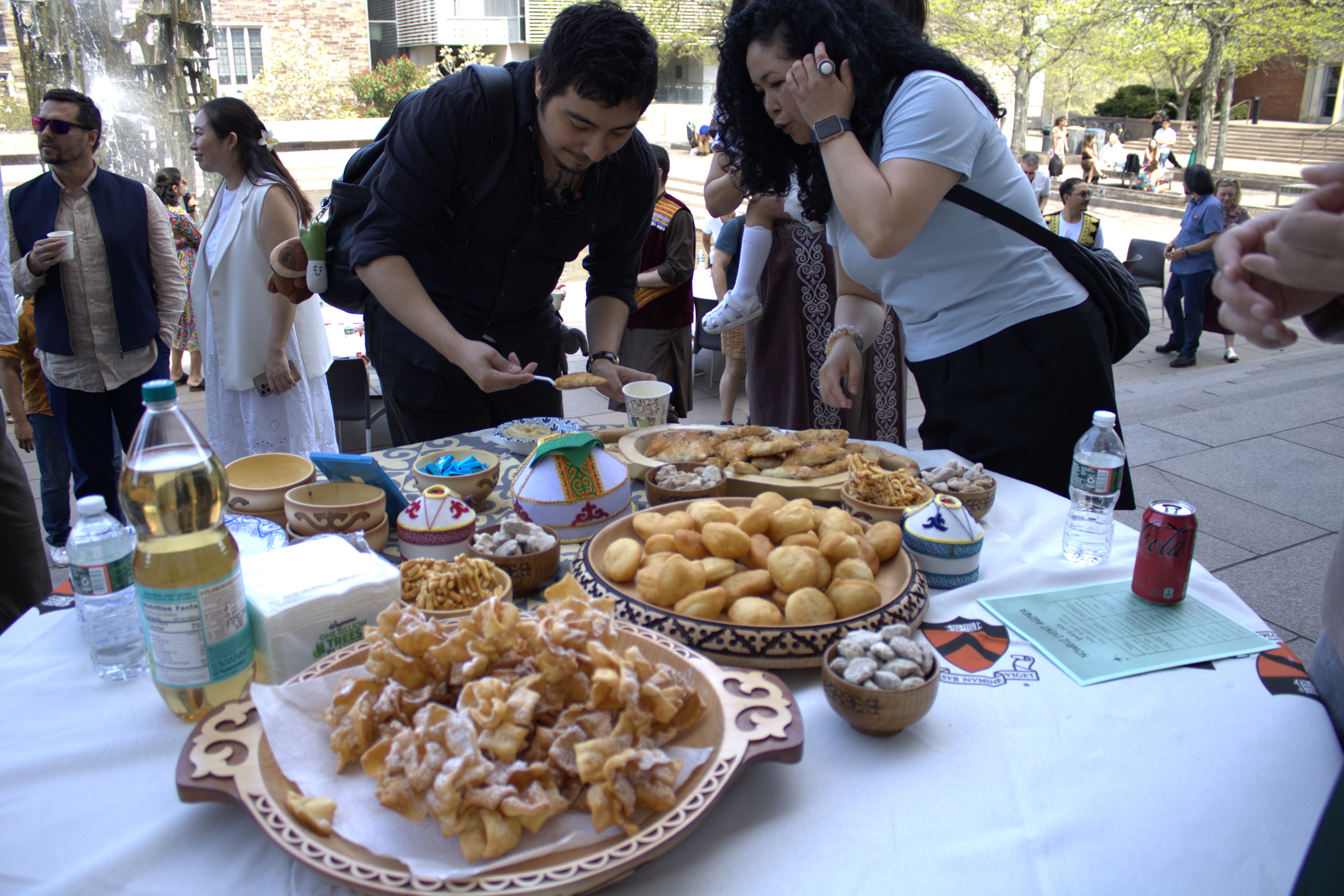
The event included tables containing food and other cultural items representing how Nowruz is celebrated in different cultures and communities.
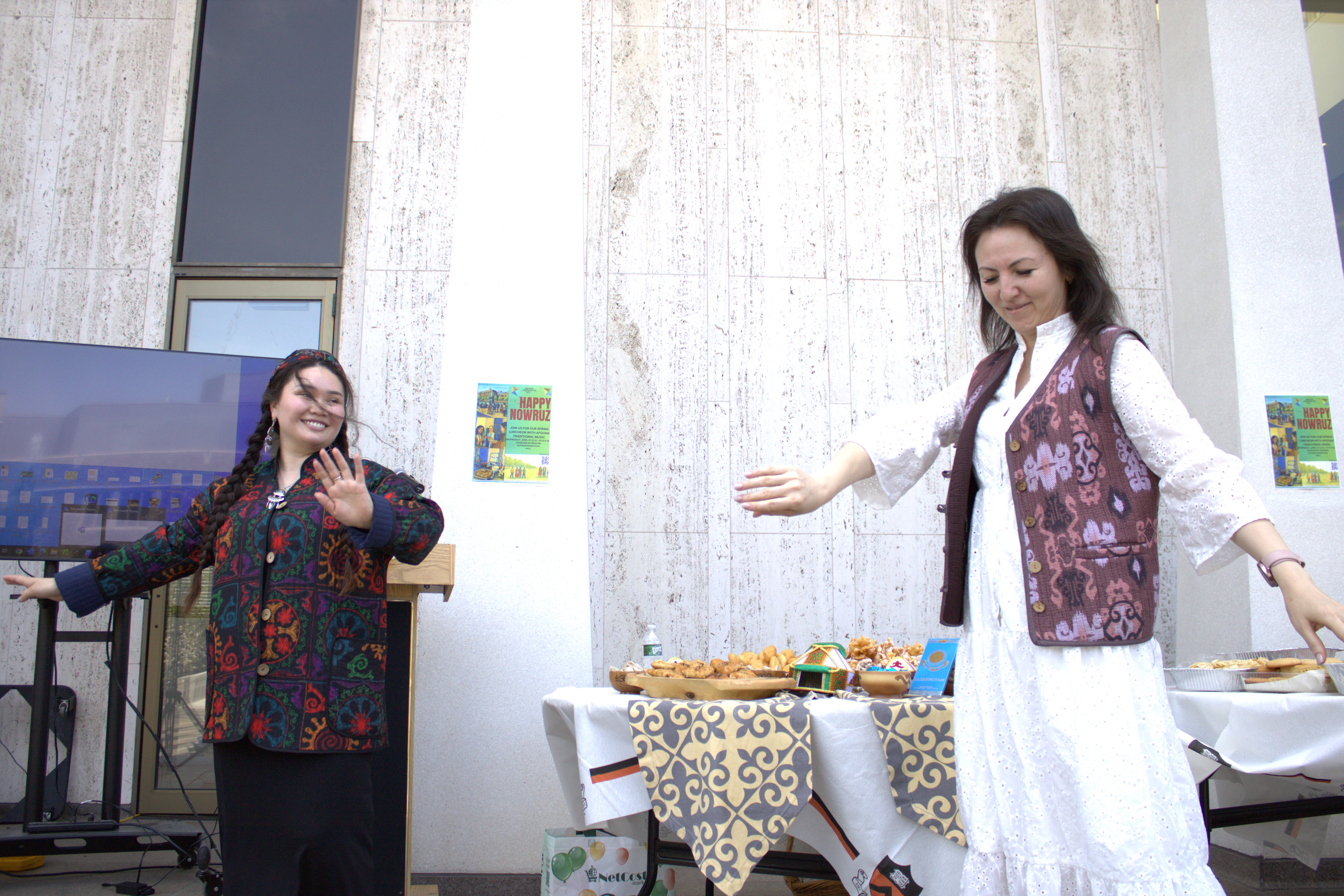
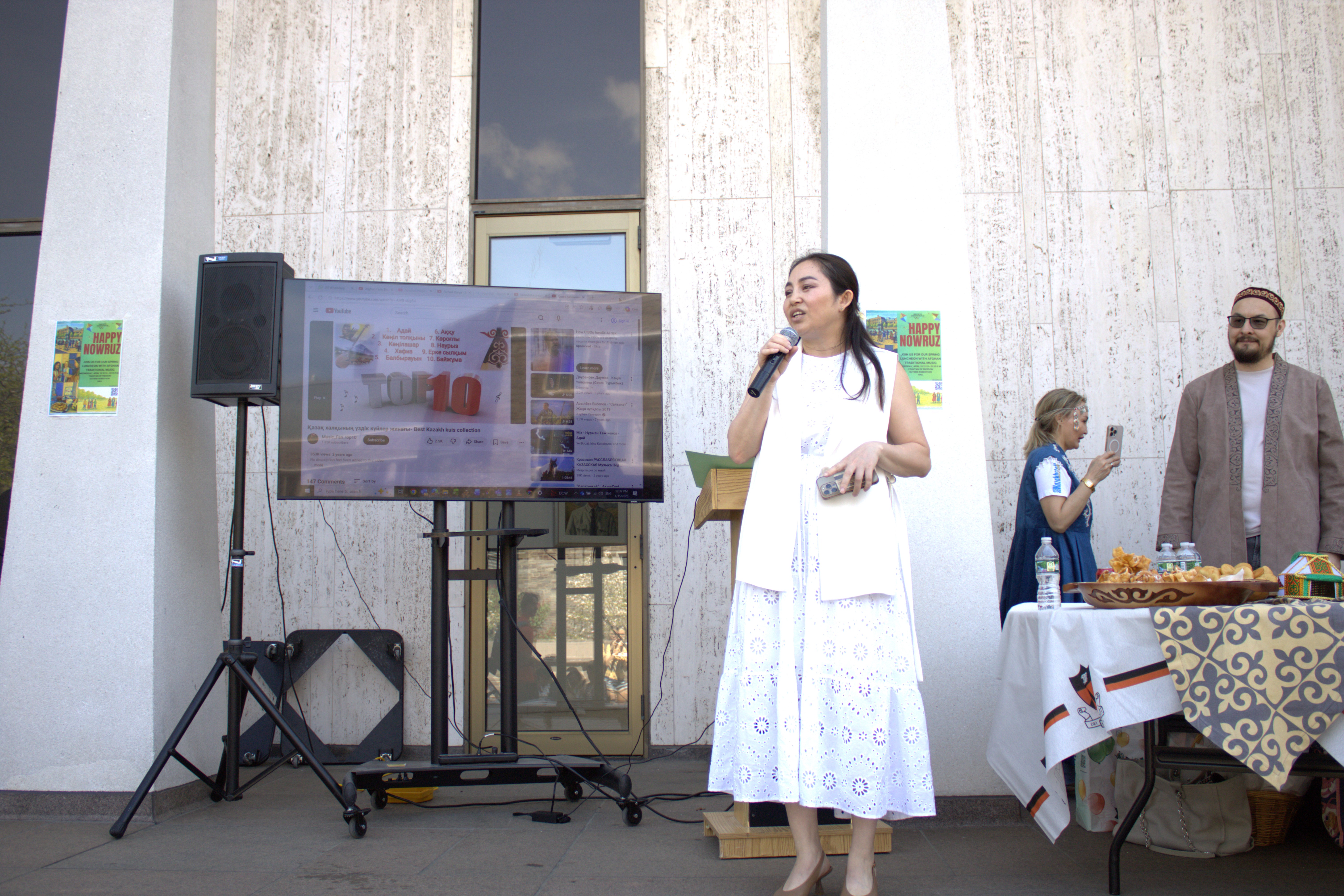
SPIA MPP student Naila Mukhtarova shed light on how Nowruz is celebrated in Kazakhstan, where festivities last for 10 days and each day’s celebration is different. The various themes include helping others, charity, national identity, culture, family reunion, and traditions.
“This is not only a holiday but also the time when the whole society visits itself,” she said. “Nowruz is about renewal, when nature blooms, and the spring starts."
The community members from Kazakhstan described different foods, including borsok (fried dough/bread), which is the Kazakh national bread, Qurt, dried cheese, and Chuk-Chuk, fried dough.
Muhammad Idrees Ghairat, from the Afghanistan Policy Lab, explained Haft Mewa, traditional homemade cookies, and other related rituals associated with the event.
“On Nowruz day, people visit families and friends do picnic outside,” he said. “They serve the guests with Haft Mewa - a traditional fruit salad along with its syrup made from seven dried fruits (including walnuts, pistachios, almonds, raisins, cashews, apricot seeds, senjed or dried oleaster, and others) simmered in a large pot for a couple of days before Nowruz day.”
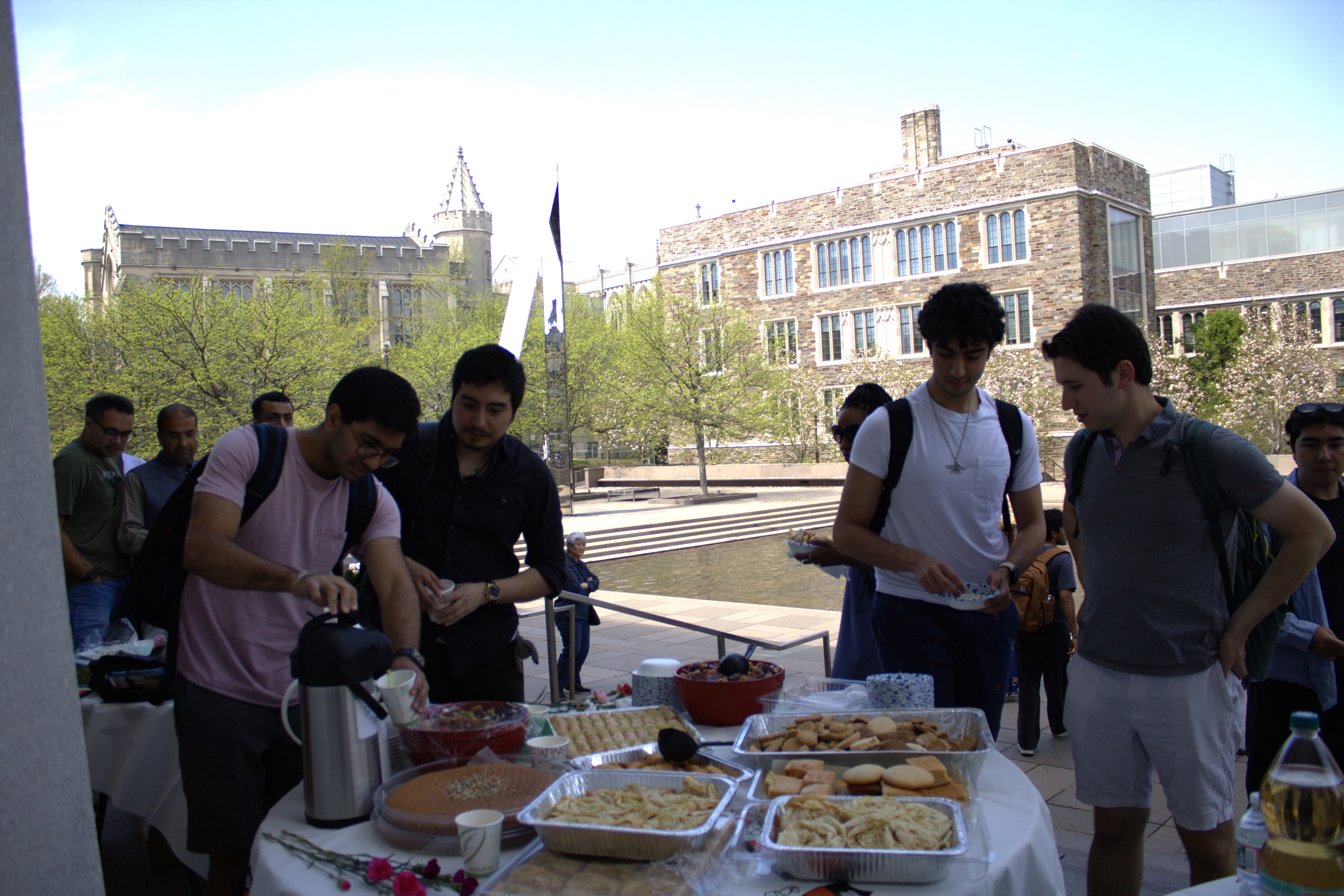
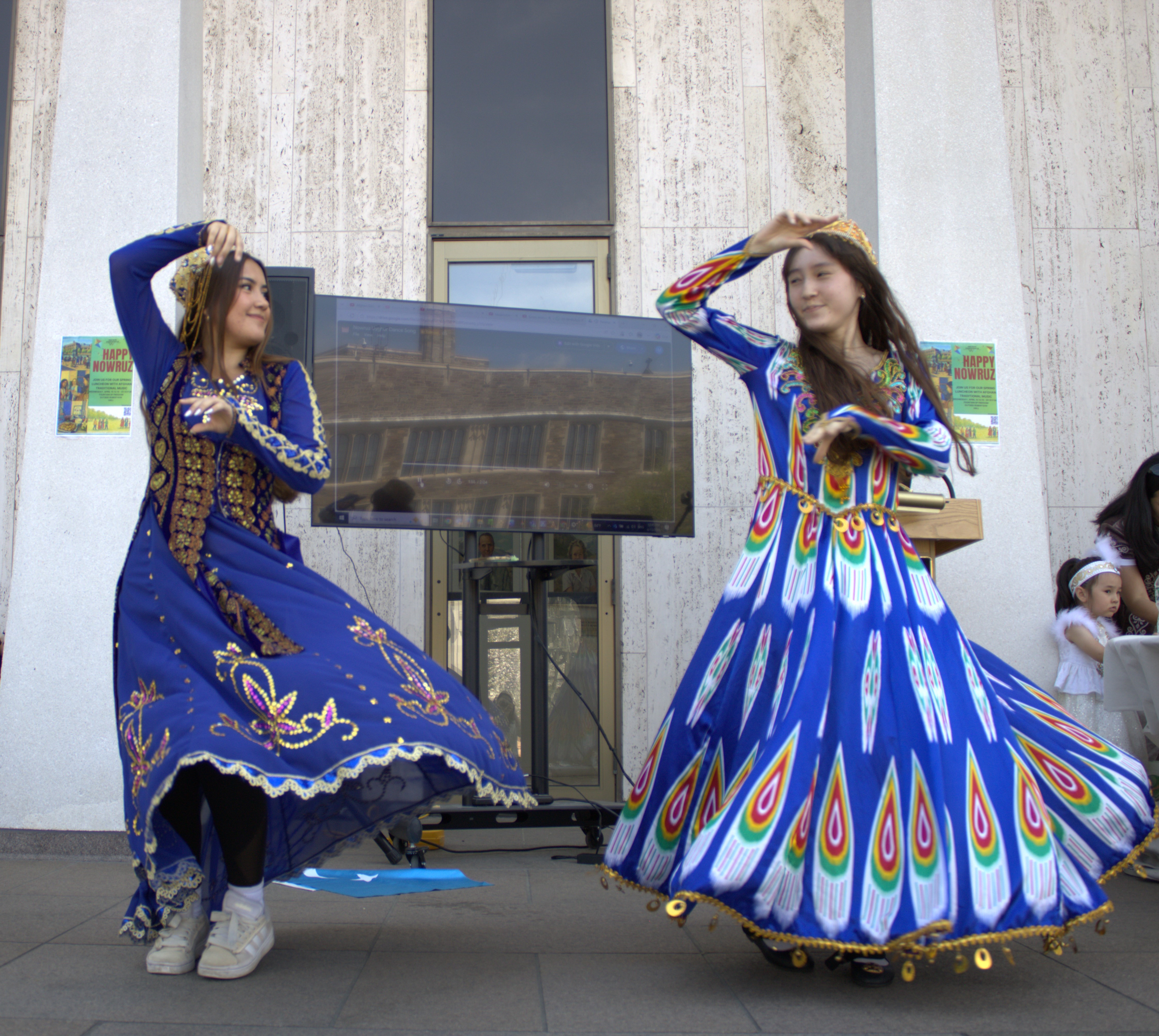
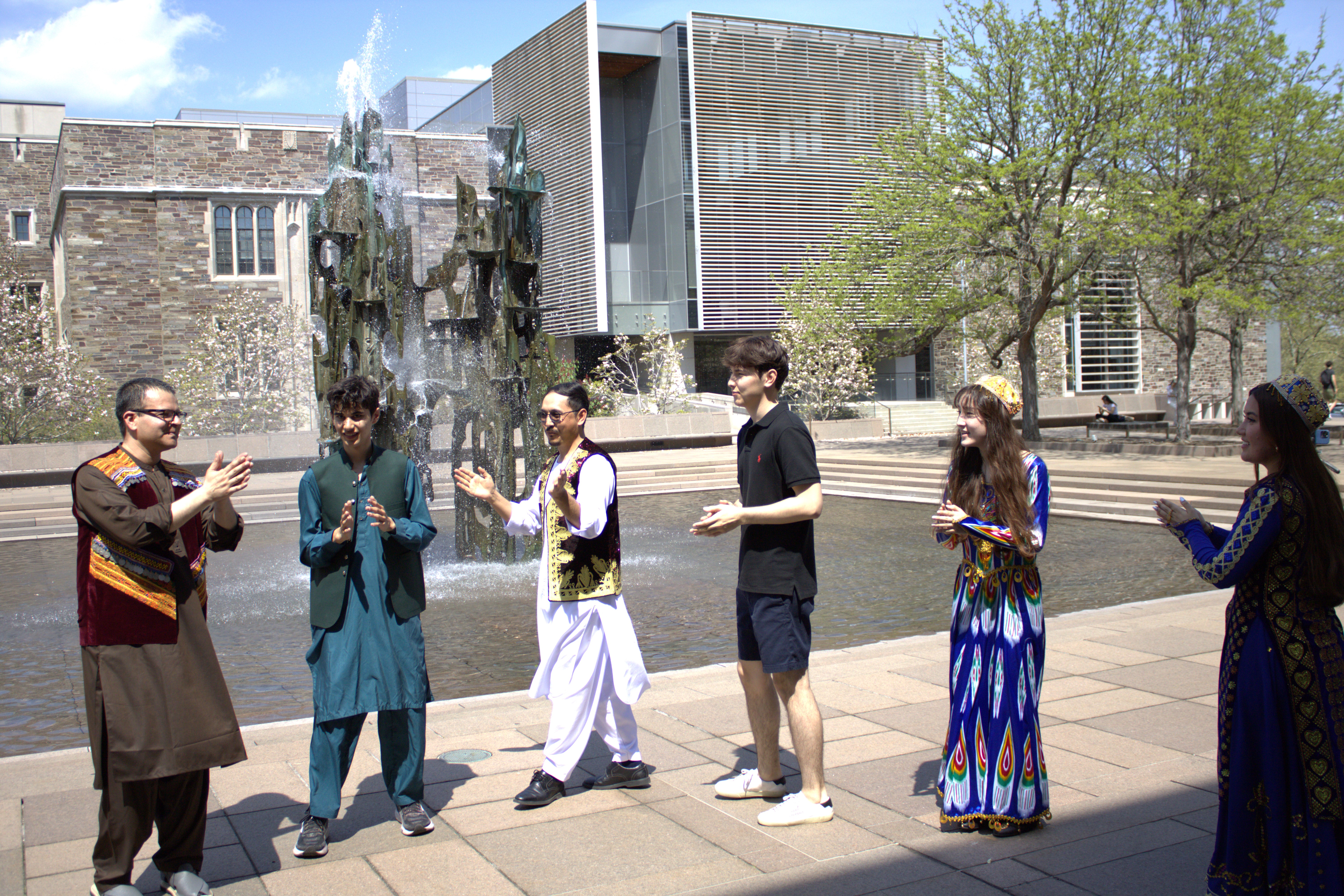
Besides sharing the delicious Afghan food, students performed traditional Afghan, Uyghur, and Kazakh dances, and the SPIA community together enjoyed the beginning of spring with each other.