

Not first to pose a threat to “bystander privacy,” Meta Ray-bans (and similar), have drawn public ire, even disgust. Despite this, we have yet to see decisive pushback from regulatory bodies, and the companies rolling out these products, without a trace of irony, swear to an ongoing commitment to privacy. Setting aside corporate self-dealing and misdirection, Nissenbaum is interested, particularly, in the role of conceptual failure in sustaining the status quo. She explains why a privacy framework that has shaped regulatory thinking and institutional practice for decades (despite overwhelming counterevidence) bears significant responsibility for this stalemate. Offering the lens of contextual integrity as an alternative, she argues (spoiler alert) that singling out bystanders for special treatment, in fact, promulgates dominant truisms that we’d be better off without.
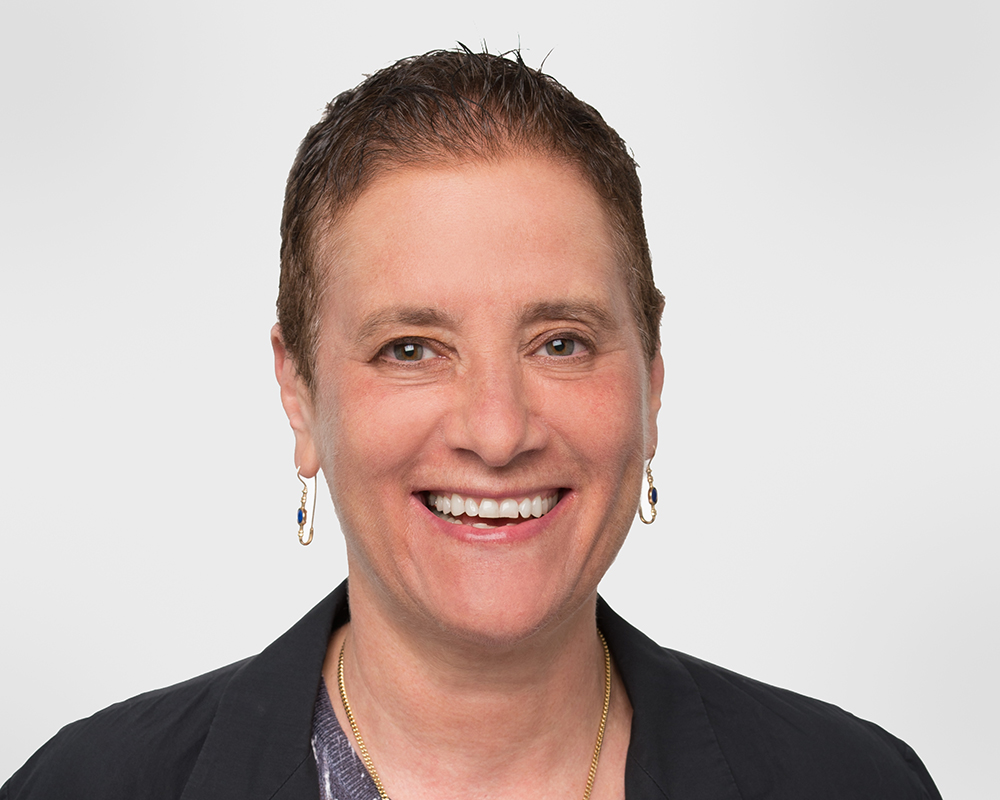
Helen Nissenbaum is the Andrew H. and Ann R. Tisch Professor of information science at Cornell Tech and the Cornell Ann S. Bowers College of Computing and Information Science. She is also the director of the Digital Life Initiative, which was launched in 2017 at Cornell Tech to explore societal perspectives surrounding the development and application of digital technology, focusing on ethics, policy, politics, and quality of life.
Nissenbaum’s research takes an ethical perspective on policy, law, science, and engineering related to information technology, computing, digital media, and data science. Topics have included privacy, trust, accountability, security, and values in technology design. Her books include “Obfuscation: A User’s Guide for Privacy and Protest” with Finn Brunton and “Privacy in Context: Technology, Policy, and the Integrity of Social Life.”
Grants from the NSF, AFOSR, and the U.S. DHHS-ONC have supported her work. She was a recipient of the 2014 Barwise Prize of the American Philosophical Association and an honorary doctorate from Leuphana University, Germany. Nissenbaum has contributed to the development of privacy-enhancing software, including TrackMeNot and AdNauseam.
Nissenbaum holds a Ph.D. in philosophy from Stanford University and a B.A. in philosophy and mathematics from the University of the Witwatersrand, South Africa.
This talk will not be livestreamed or recorded.
If you need an accommodation for a disability please contact Jean Butcher at butcher@princeton.edu.
Sponsorship of an event does not constitute institutional endorsement of external speakers or views presented.