

As we approach the twenty-fifth anniversary of the September 11 attacks, Afghanistan remains central to understanding the evolution of U.S. foreign policy, international security, counterterrorism, development, and peacebuilding over the past quarter century.
The Afghanistan Policy Lab (APL) at Princeton University’s School of Public and International Affairs (SPIA) will convene a discussion bringing together policymakers, scholars, practitioners, and members of the diplomatic and international community to reflect on the lessons of the past twenty-five years and consider what they mean for Afghanistan and international engagement going forward.
The discussion will examine the trajectory of U.S. policy toward Afghanistan—from the post-9/11 intervention and two decades of international engagement to the U.S. withdrawal and the current policy environment. It will consider both the achievements and shortcomings of international involvement, including difficult lessons surrounding state-building, security, governance, development, and peacebuilding.
Beyond looking backward, the discussion will focus on the future. At a time when Afghanistan continues to face profound political, humanitarian, economic, and social challenges, the conversation will explore what constructive and realistic international engagement could look like. Panelists will consider how U.S., regional, and multilateral policies can better contribute to peace and stability while supporting human security, economic resilience, education and human capital, women's rights, and the aspirations of the Afghan people.
Event Details
- Date: Thursday, August 27, 2026
- Doors Open: 1:30 PM EDT
- Panel Discussion: 2:00–4:00 PM EDT
- Reception: 4:00–5:30 PM EDT
- Location: Princeton SPIA DC Center
1333 New Hampshire Ave NW
Washington, DC 20036
For questions or additional information, please contact AfghanLab@princeton.edu
Panelists

is the Philip H. Knight Chair in Defense and Strategy, Director of Research in the Foreign Policy program, and Director of the Strobe Talbott Center for Security, Strategy, and Technology at the Brookings Institution. He specializes in U.S. defense strategy, the use of military force, and American national security policy, and has written extensively on U.S. foreign policy and international security. He is also an adjunct professor at Georgetown University and Columbia University and the author of numerous books, including To Dare Mighty Things: U.S. Defense Strategy Since the Revolution (Yale University Press, 2026). O’Hanlon holds a bachelor’s and master’s degree in the physical sciences and a doctorate in public and international affairs, all from Princeton University.
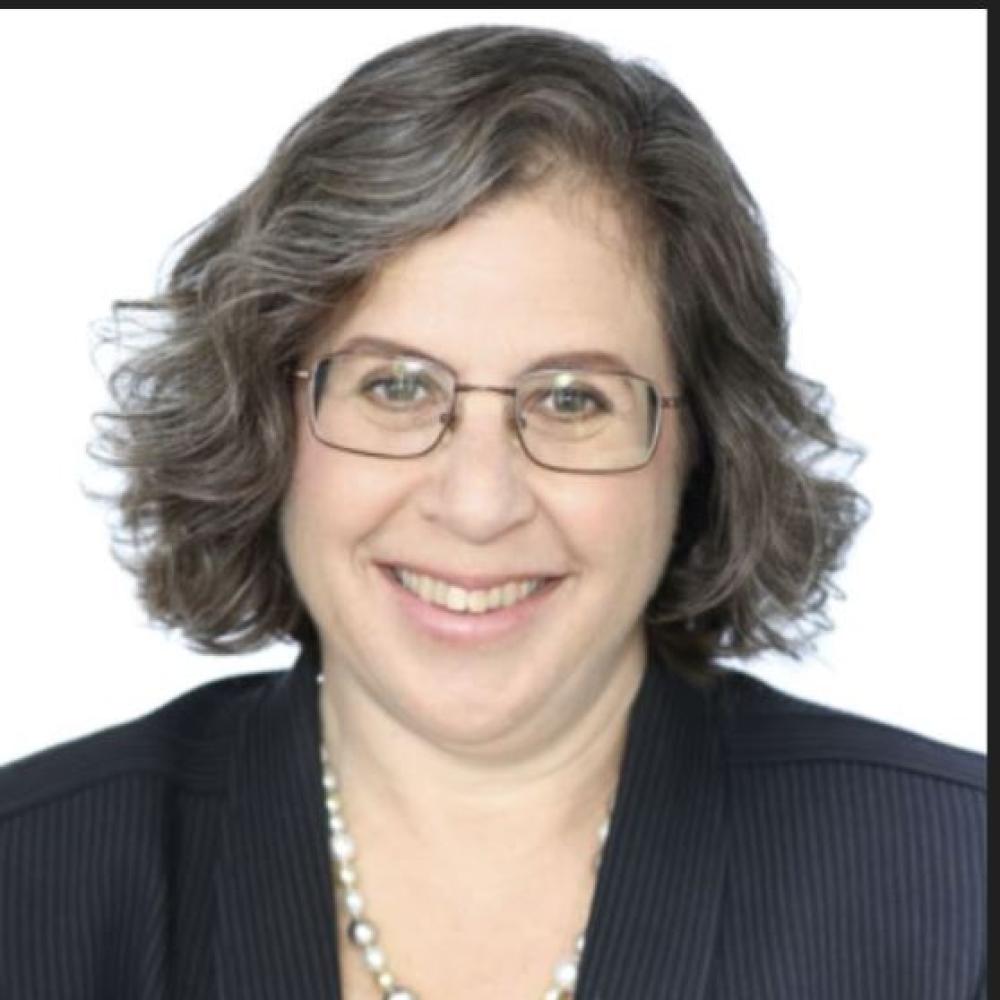
is an Adjunct Senior Fellow with the Indo-Pacific Security Program at the Center for a New American Security and a retired senior U.S. diplomat. She previously served as Acting Deputy Assistant Secretary of State for Afghanistan, Deputy Chief of Mission at the U.S. Embassy in Kabul, and Director for International Narcotics and Law Enforcement at the U.S. Embassy in Mexico City. She is also an adjunct professor of international relations and serves as Board Chair of Women for Afghan Women and on the board of the Friends of the American University of Afghanistan. Pforzheimer holds a master’s degree in national security studies from the National Defense University.
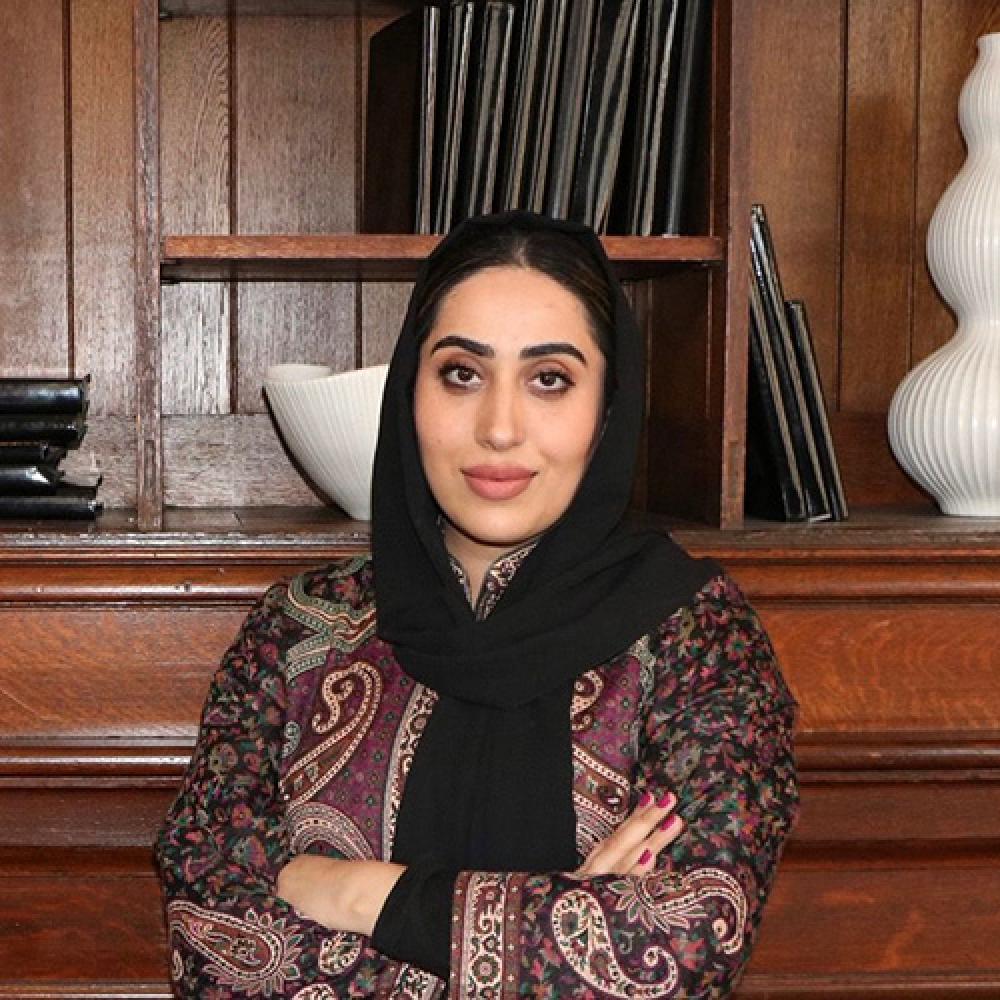
is an Affiliate at Princeton University's Afghanistan Policy Lab & Vice President of Women’s Rights First, an Afghan women-led organization focused on documenting human rights violations and advancing women’s participation in peacebuilding and accountability processes. She previously served as Deputy Governor of Kabul and Human Rights Director at the National Directorate of Security, and held several roles at the Afghanistan Independent Human Rights Commission focused on women’s rights, transitional justice, and civilian protection. She has also served as a Research Fellow at the Raoul Wallenberg Institute for Human Rights and Humanitarian Law and as an advisor to the UN Special Rapporteur on Human Rights in Afghanistan. She holds a master’s degree in public international law from Brunel University London as a Chevening Scholar.
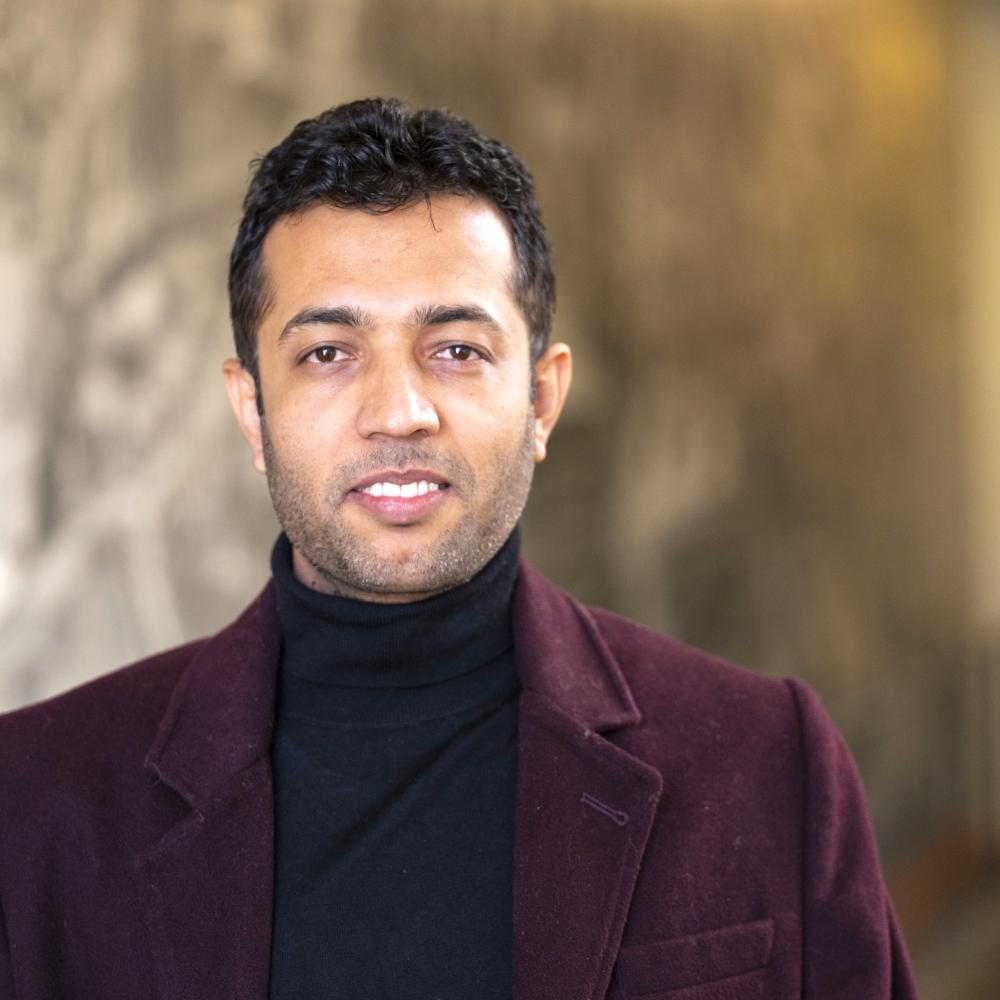
is an Affiliate at Princeton University’s Afghanistan Policy Lab and teaches political science at the American University of Afghanistan (AUAF). He is also the founding editor and host of Negotiating Ideas, an online magazine and podcast on democracy and pluralism. He has held research positions at the Raoul Wallenberg Institute for Human Rights and the University of Pittsburgh.
His primary research interests include the political theory of pluralism, governance, human rights, civil resistance, and political Islam. Dr. Sadr has made significant contributions to his field. His book, Negotiating Cultural Diversity in Afghanistan, which won a 2022 book prize for Best Book in Social Science from the Central Eurasian Studies Society, examines the challenges to peaceful coexistence in a pluralistic society and develops a political theory of governance of diversity.
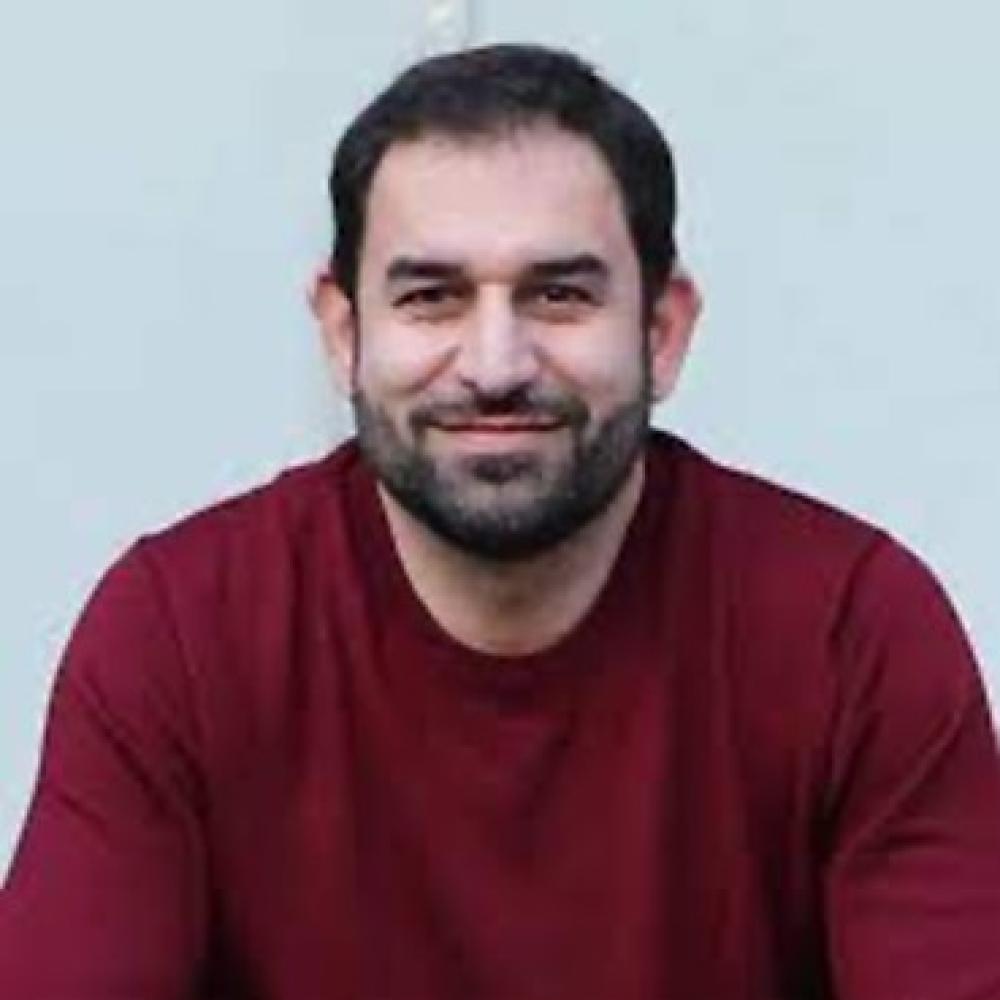
is former Editor-in-Chief/co-founder of Amu TV, a digital news platform providing independent reporting in Farsi and Pashto. He previously served as Bureau Chief of Radio Azadi, Strategic Advisor to TOLOnews, Director of News and Current Affairs at 1TV, and Director of the PAYK Investigative Journalism Center. He was also a fellow at Harvard University’s Shorenstein Center. A recipient of the Knight International Journalism Award, Mahdi holds a bachelor’s degree from Kabul University and a master’s degree in international relations from the University of Massachusetts in Boston, as a Fulbright Scholar
Sponsorship of an event does not constitute institutional endorsement of external speakers or views presented.