Thirty years ago, the idea that China could challenge the United States economically, globally, and militarily seemed unfathomable. Yet today, China is considered another great power in the international system. How did China manage to build power, from a weaker resource position, in an international system that was dominated…
Mathematical engineering theories are useful in numerous ways, whether in providing fundamental relationships between the capabilities of emerging technologies and the resources they require; establishing fundamental benchmarks to evaluate new technologies on absolute scales, rather than only compared to previous technologies;…
The web PKI, which is used to secure TLS-based web communication (HTTPS), is one of the most frequently used network security systems, enabling billions of users to securely connect to the world wide web and prevent the theft of user credentials, protect the privacy of personal information, impede stealthy wiretapping, and…
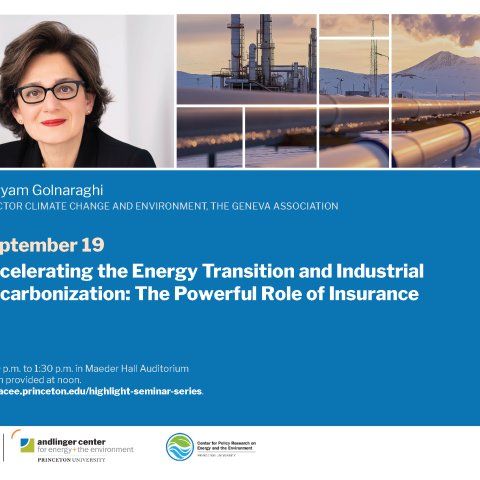
Climate change is changing the characteristic of weather extremes and slow changing climatic trends (physical climate risk). These combined with rising concentration of people and assets in high-risk areas, aging infrastructure and various macroeconomic factors, are leading to growing financial impacts on people, businesses,…
We are at a transformational junction in computing, in the midst of an explosion in capabilities of foundational AI models that may soon match or exceed typical human abilities for a wide variety of cognitive tasks, a milestone often termed Artificial General Intelligence (AGI). Achieving AGI (or even closely approaching it)…
Joining the Center's Behavioral Policy Works in Process noon lunch series in September will be Cass Sunstein, the Robert Walmsley University Professor at Harvard and coauthor of Nudge.He will speak on Tuesday, September 17, on work for a new book. His talk is entitled “The Barbie Problem: Goods that People Buy But Wish Did Not…
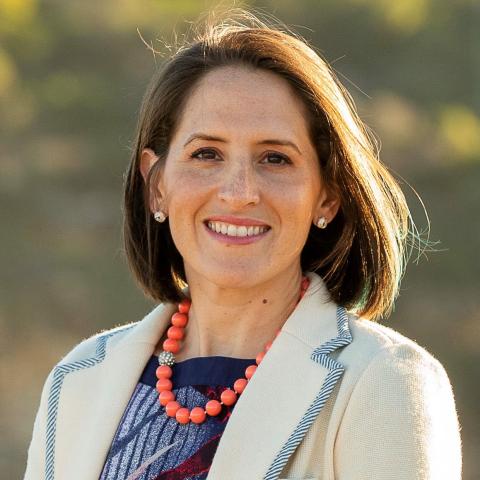
Frances C. Moore is an Associate Professor in the Department of Environmental Science and Policy and the University of California Davis. She studies the risks climate change poses to human welfare and how individuals and communities respond to mitigate those risks. Her work is highly interdisciplinary with a focus on climate…
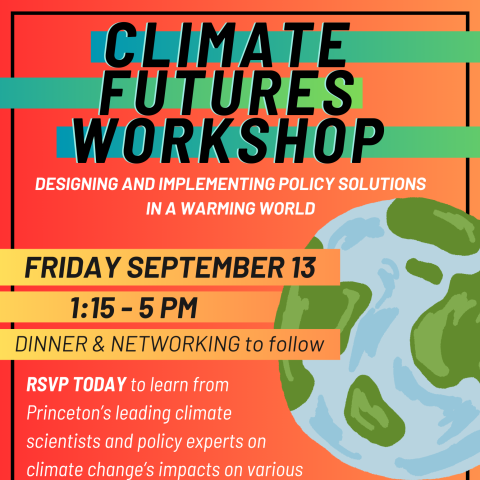
Join us for an afternoon workshop to introduce new and returning students and researchers to the wealth of experts at Princeton University working on environmental policy issues. Open to all with beginner to expert-level knowledge of climate change science and policy! This workshop will help you consider the intersectional and…
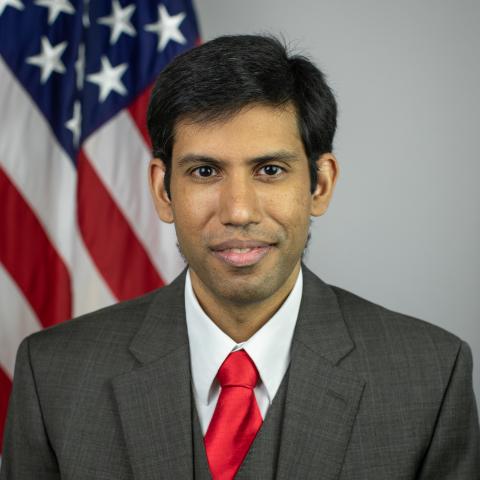
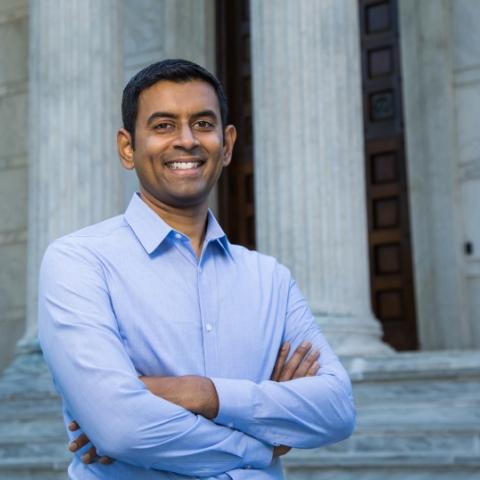
Policy making should be informed by evidence, especially scientific evidence. But exactly how is a surprisingly tricky question. In this talk Narayanan will take a close look at the science-policy interface: how it works and how it should work. The talk will diagnose structural reasons why he believes the kind of evidence that…