
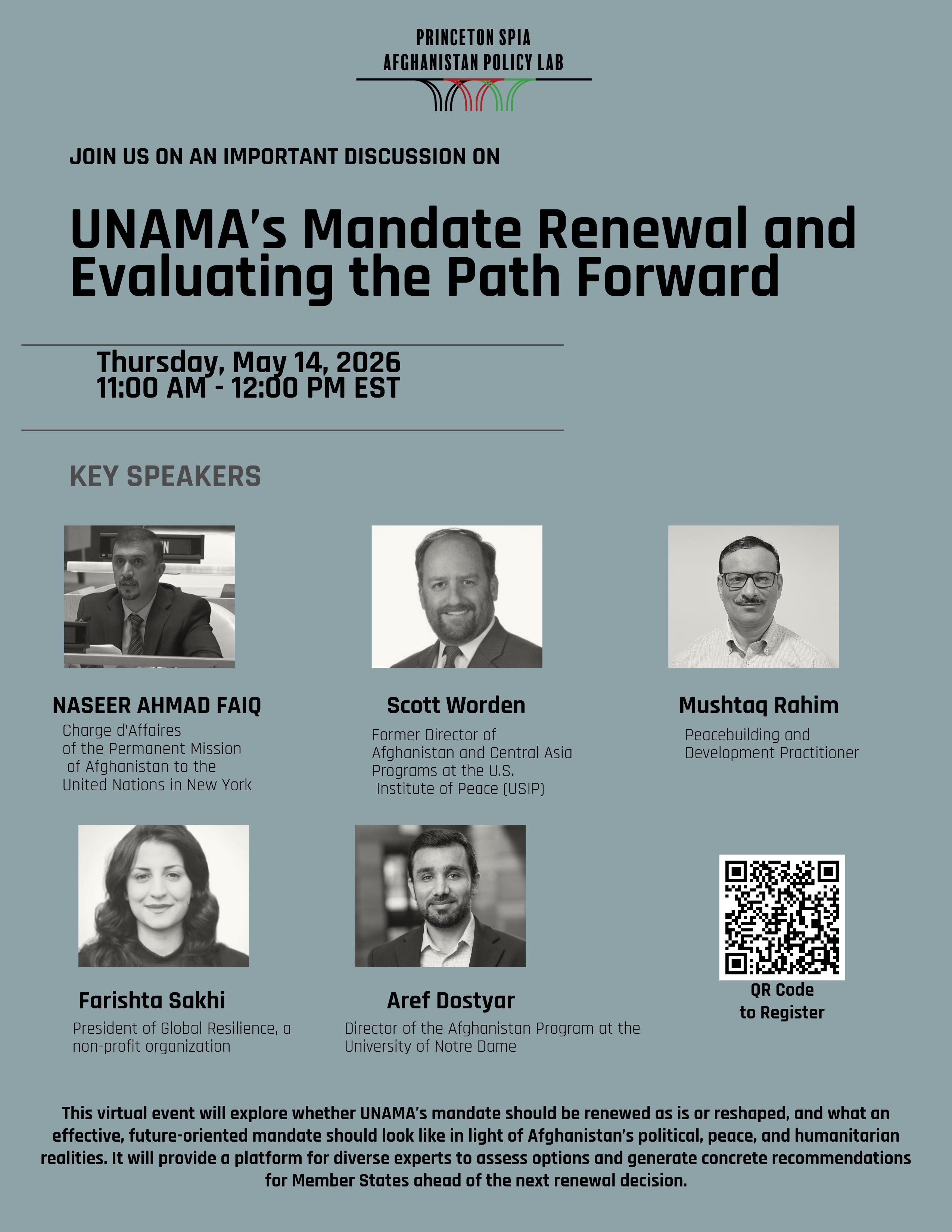
The mandate of the United Nations Assistance Mission in Afghanistan (UNAMA) remains one of the central instruments through which the United Nations engages with Afghanistan. Since the Taliban’s return to power in August 2021, the mission has operated in an increasingly complex environment marked by political isolation, lack of international recognition of the de facto authorities, and a deepening humanitarian crisis.
The Security Council extended UNAMA’s mandate on 16 March 2026 via Resolution 2818 for only three months, until 17 June 2026, to allow time for a broader review of its future role. UNAMA’s mandate has evolved since 2021 toward coordination of humanitarian aid, human rights monitoring, advocacy for women and girls, and “good offices” for dialogue with the de facto authorities and regional actors.
UNAMA’s three‑month mandate renewal creates a window to reassess and re‑anchor the mission’s strategic priorities, including political engagement (notably through the Doha process), protection and human rights, and large‑scale humanitarian assistance. UNAMA is currently tasked with providing good offices and facilitating dialogue on inclusive governance, rule of law, and regional cooperation, including support to the UN‑led “Doha Process” bringing together key Member States and the Taliban.
Since 2024, UNAMA leadership has used Doha‑based plenaries and working groups (e.g., on counter‑narcotics and the private sector) as confidence‑building platforms, but these efforts have been criticized for perceived imbalance between Taliban demands and the international community’s expectations on rights and inclusion. The Independent Assessment on Afghanistan (S/2023/856) underscore the need for a clearer, condition-based political roadmap, avoiding de facto normalization without concrete commitments.
This virtual event will explore whether UNAMA’s mandate should be renewed as is or reshaped, and what an effective, future‑oriented mandate should look like in light of Afghanistan’s political, peace, and humanitarian realities. It will provide a platform for diverse experts to assess options and generate concrete recommendations for Member States ahead of the next renewal decision.
Objectives
• This event should be able to provide an effective discussion on UNAMA’s mandate renewal “as is” versus introducing targeted changes (scope, priorities, structure, or tools).
• Identify what a “most effective” mandate would include and provide a short set of actionable recommendations for Member States and UN leadership on mandate options ahead of the upcoming renewal.
Speakers
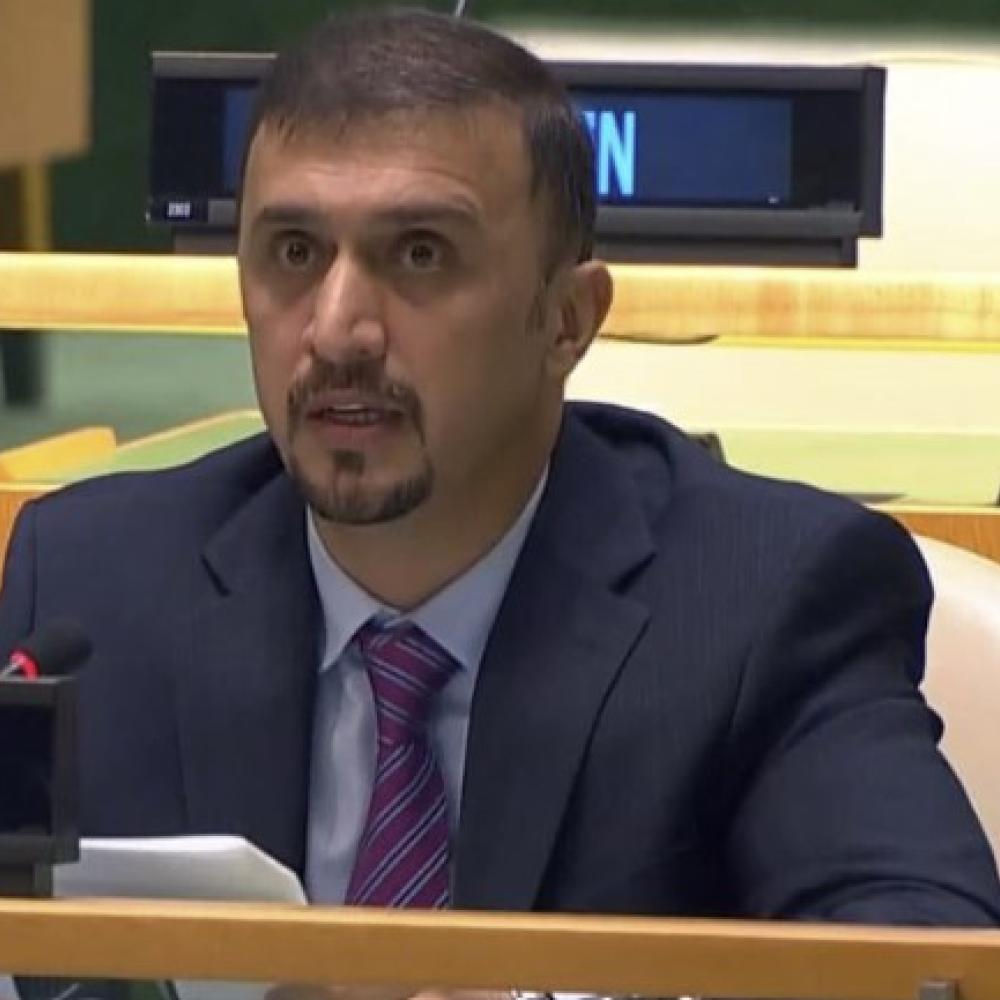
Permanent Mission of Afghanistan to the United Nations in New York since 16 December 2021. In this capacity, he represents Afghanistan at the United Nations and leads the Mission’s engagement across the General Assembly, the Security Council, and other principal UN bodies.
Since the political developments in Afghanistan in August 2021, Mr. Faiq has continued to represent Afghanistan at the United Nations in accordance with the national interests and aspirations of the Afghan people. He has consistently advocated for the protection and restoration of the fundamental rights and freedoms of all Afghans, particularly women and girls, as well as ethnic and religious minorities and youth. In his engagement with Member States and UN bodies, he has emphasized the importance of inclusive governance, accountability, justice, adherence to international law, and respect for the rule of law.
Mr. Faiq joined the Permanent Mission in 2019 as Minister Counsellor, where he oversaw political affairs and matters related to the United Nations Security Council. With nearly two decades of diplomatic service, he is recognized for his professionalism, dedication, and sustained engagement on issues of international peace and security, human rights, and multilateral cooperation.
He began his diplomatic career at the Ministry of Foreign Affairs of Afghanistan in 2005. Over the course of his service, he has held several senior positions, including Acting Chief of Staff to the Minister of Foreign Affairs, Deputy Director General for Regional Cooperation (on two occasions), and diplomat at Afghanistan’s Permanent Mission to the United Nations in New York across multiple postings.
Mr. Faiq holds a Bachelor’s degree in Law and Political Science from Kabul University (2005) and a Master’s degree in Administration, International Relations, and Diplomacy from Fairleigh Dickinson University, New Jersey (2010).
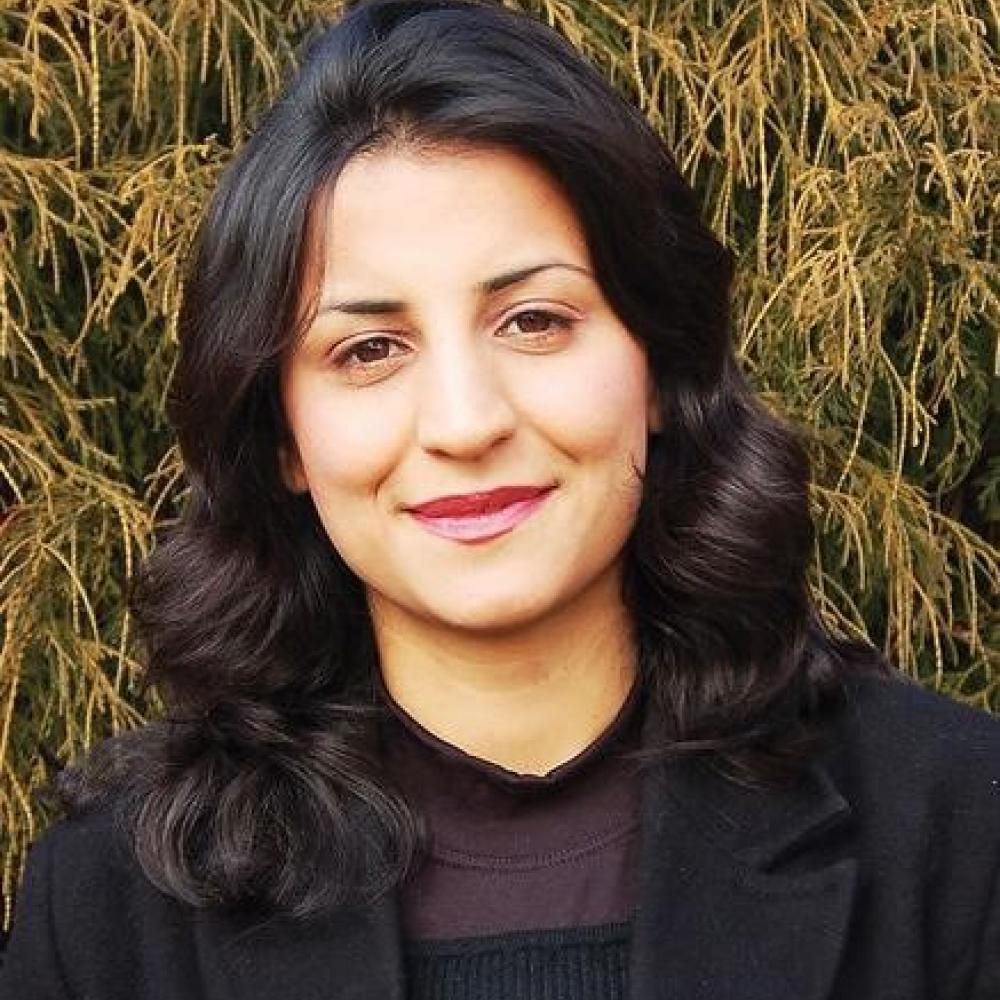
a non-profit organization focused on providing protection support to communities affected by conflict and environmental crisis, and an Adjunct Professor at the Carter School for Conflict Analysis and Resolution at George Mason University and University of Boulder Colorado. She has over two decades of experience in post-conflict peacebuilding, political transition, democracy and good governance in Afghanistan. Dr. Sakhi served for three years at Freedom House, where she led efforts to promote the protection and safety of human rights defenders in Afghanistan, and previously held senior leadership roles at Afghanistan’s Ministry of Foreign Affairs as Director General and Senior Advisor for Peace and Security Affairs. She also taught at the Political Department of American University of Afghanistan. She remained a fellow at the International Center for Transitional Justice and the Rumsfeld Foundation.
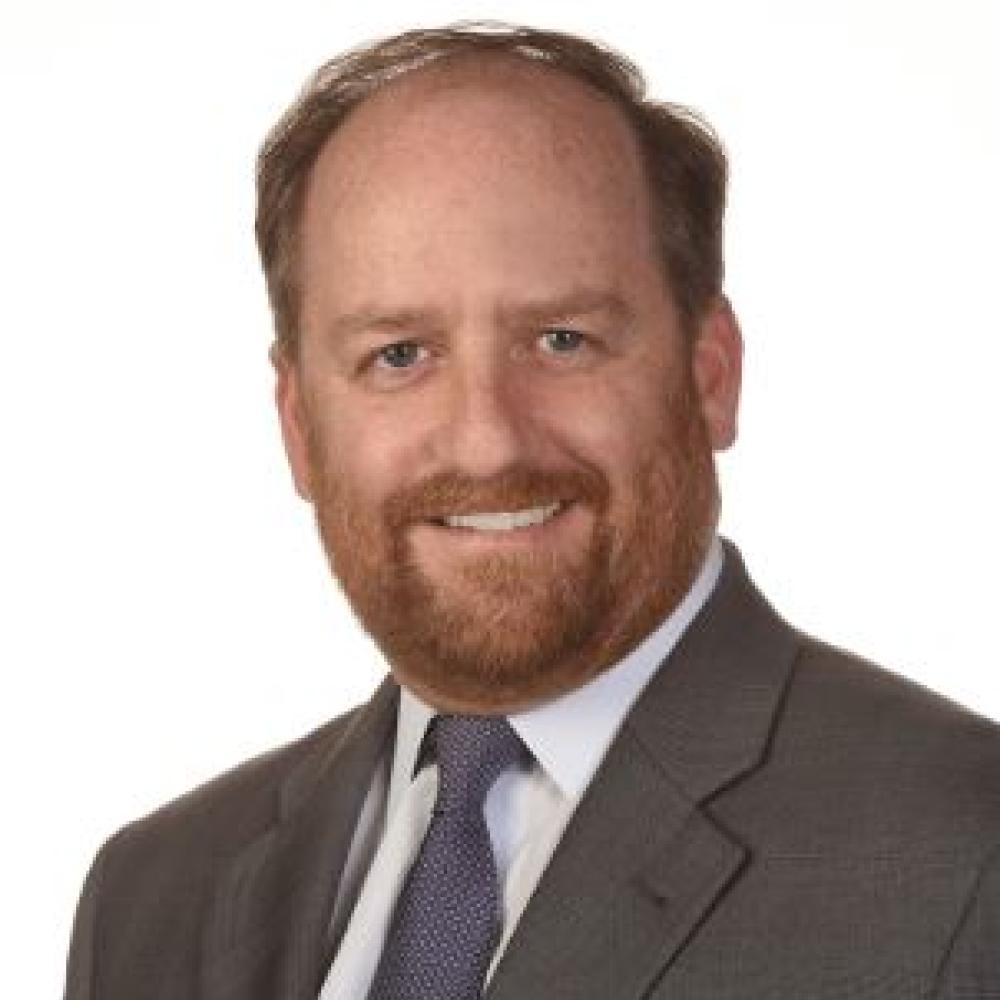
He comes into this role with an extensive background in reconstruction, development, democracy and governance policy, among others; as well as extensive regional expertise on Afghanistan and Pakistan.
Prior to joining USIP, Worden was director of the Lessons Learned Program at the office of the Special Inspector General for Afghanistan Reconstruction (SIGAR), and served as acting director of policy as well as a senior policy advisor for the Office of Afghanistan and Pakistan Affairs at the United States Agency for International Development (USAID). In the latter position, he was responsible for advising senior officials on strategies for sustainable development in Afghanistan and Pakistan.
At his previous time with USIP, Worden directed Rule of Law development programs for the USIP and served as a United Nations-appointed Electoral Complaints Commissioner for the 2009 Afghanistan elections, as well as advising the U.N. on elections in 2005-06.
Worden also lived for two years in Cambodia working on legal aid and transitional justice projects. He began his career as an associate with a law firm in New York. He earned his bachelor’s degree in political science at Colgate University and a Juris Doctorate from Harvard Law School.
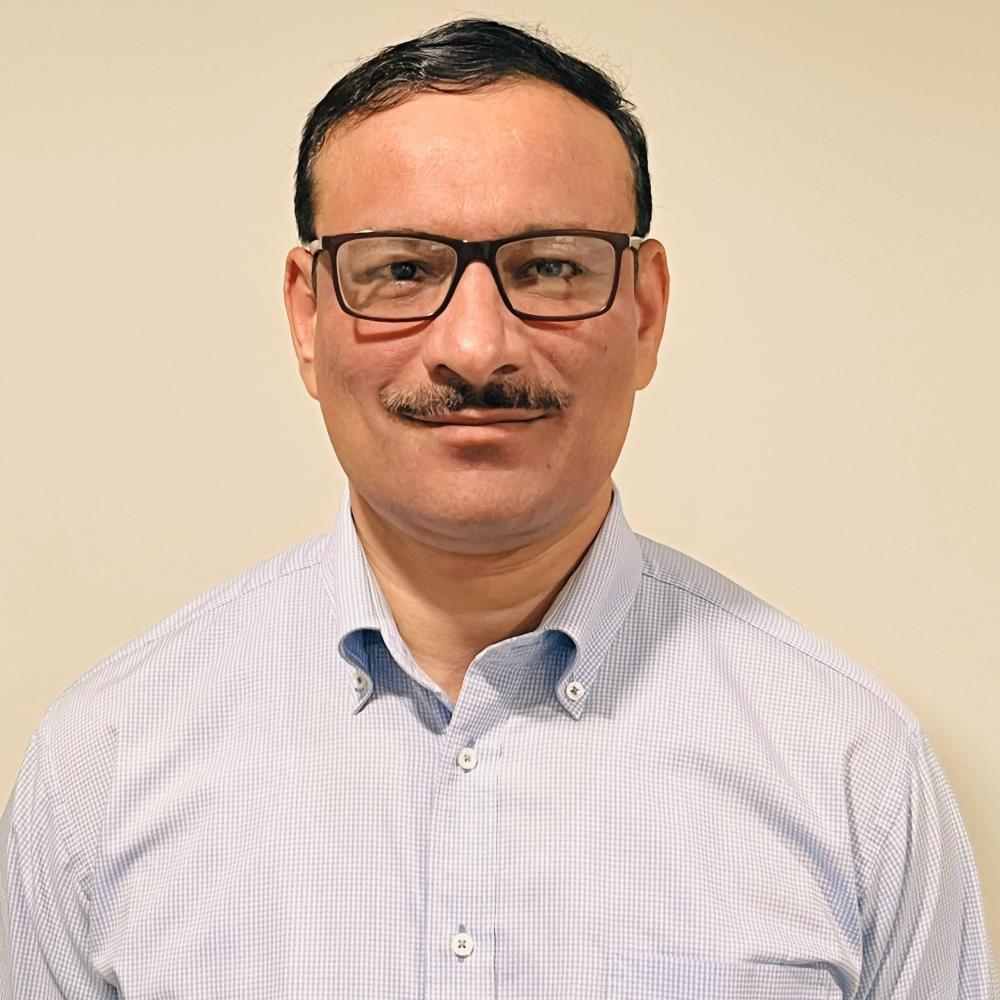
with over two decades of experience working with government, the United Nations, and international organizations in conflict-affected contexts, including Afghanistan and Syria. His work focuses on peace processes, governance, social cohesion, and the challenges of state-building in fragile environments.
He previously served in senior leadership roles with the United Nations Development Programme (UNDP), including Assistant Country Director for Crisis Prevention and Recovery in Afghanistan and Program Specialist for Social Cohesion and Peacebuilding in Syria. He has also held key positions in Afghanistan’s peace architecture, including Deputy CEO of the Executive Secretariat of the High Peace Council and Director of the Peace Agreement Implementation Secretariat.
More recently, Rahim has been working as Director of Research and Evaluation at Alternative Spectrum Consulting and as an evaluation consultant with UN Women, leading large-scale evaluations for the UN agencies and International NGOs in Afghanistan on humanitarian response, livelihood development, gender, and resilience strengthening.
He is currently a doctoral candidate in International Affairs at Johns Hopkins University, School of Advanced International Studies (SAIS). His research and publications examine elements of post-conflict institution building, conflict management, peacemaking, and peacebuilding in Afghanistan.
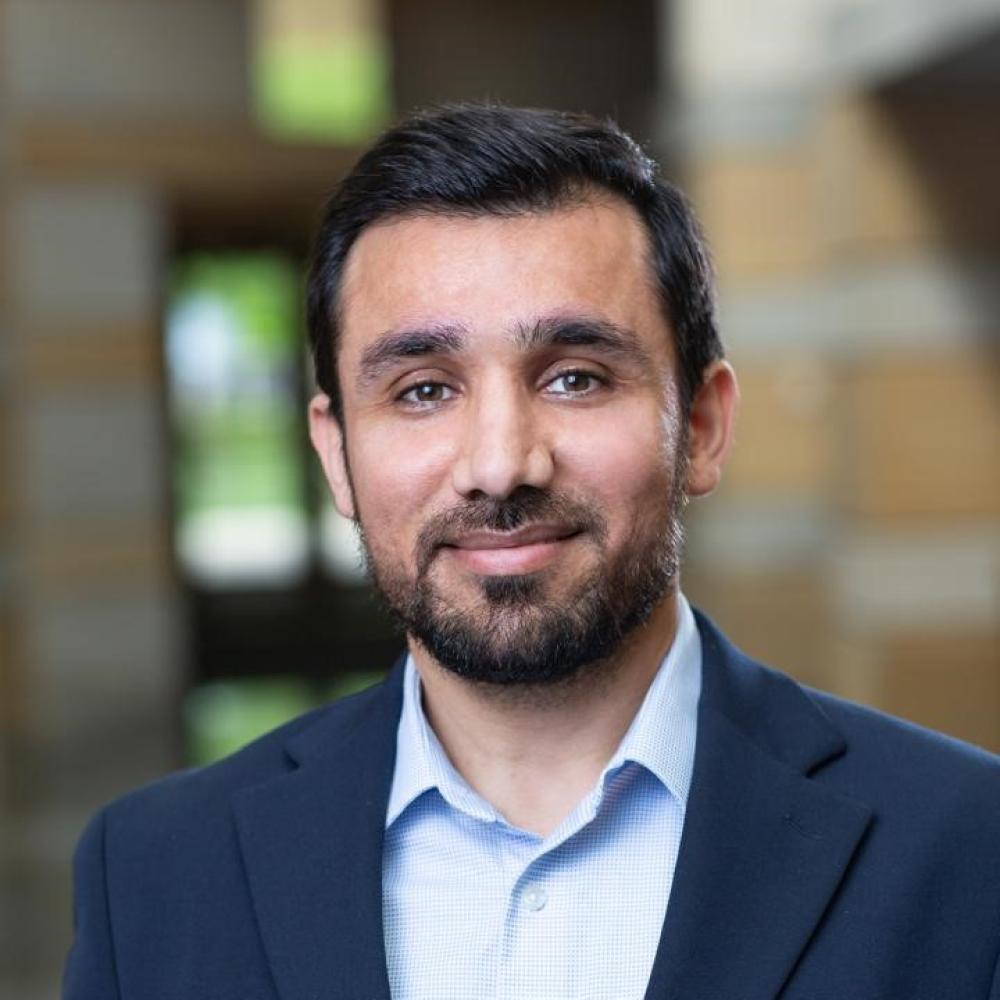
Afghanistan Program for Peace and Development (AfPAD) at the University of Notre Dame’s Kroc Institute for International Peace Studies. In this role, he conducts research and coordinates the Afghanistan Dialogue and Visioning Process (DVP), a multi-stakeholder initiative that aims to develop a shared vision for a peaceful future in Afghanistan.
Prior to this, Dostyar worked as Afghanistan’s Consul General in Los Angeles from 2020 until the fall of Kabul to the Taliban. Prior to that, he served at Afghanistan's Office of the National Security Council in the positions of Director General for International Relations and Director of Peace and Reconciliation Affairs.
Dostyar’s writings and interviews can be found in the New York Times, the BBC, the Foreign Policy Magazine, and several other publications. His most recent essays, “What could shape the conditions for dialogue in Afghanistan” and “How the UN can turn Afghanistan’s seat into a path forward” are published by the London School of Economics and Political Science (LSE).
Sponsorship of an event does not constitute institutional endorsement of external speakers or views presented.