During past decades, genomics and metagenomics have developed very fast, and are widely applied to non-model species especially wild animals to provide new insights to properly conserve the wildlife. The giant panda is not only the symbol of the world biodiversity conservation, but also a model to address questions of the…
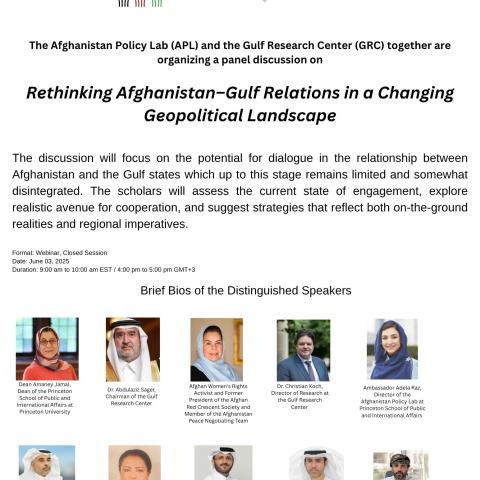
On June 3, 2025, the Gulf Research Center (GRC) and the Afghanistan Policy Lab at Princeton University’s School of Public and International Affairs co-hosted a closed-door webinar titled “Rethinking Afghanistan-Gulf Relations in a Changing Geopolitical Landscape.” The session brought together experts and policymakers to examine…
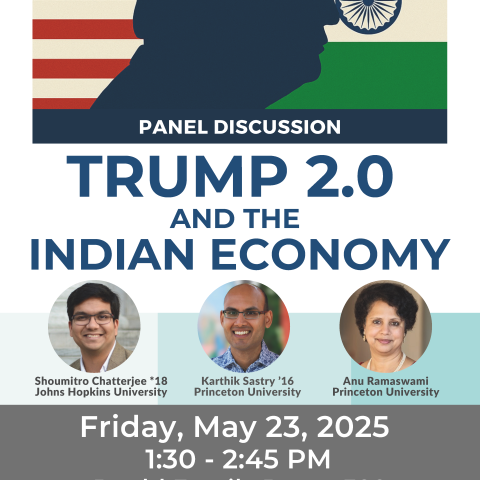
What does the current Trump administration (Trump 2.0) mean for India? Join us for an insightful panel discussion on the evolving dynamics between the United States and India under Trump 2.0. This panel will examine the potential implications of recently proposed U.S. tariffs on India’s economic growth, trade relations, and…
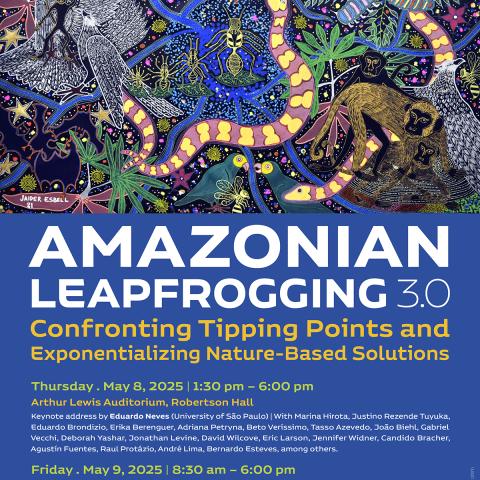
The Amazon contains half of the planet’s tropical forests and has the largest river basin on Earth. Critical to the world’s climate and water resources, it holds the largest stores of carbon and is home to one of the world’s highest concentrations of biodiversity. Amazonia is also home to more than 410 distinct Indigenous…
The Amazon contains half of the planet’s tropical forests and has the largest river basin on Earth. Critical to the world’s climate and water resources, it holds the largest stores of carbon and is home to one of the world’s highest concentrations of biodiversity. Amazonia is also home to more than 410 distinct Indigenous…
Benjamin H. Bradlow is an Assistant Professor of Sociology and International Affairs at Princeton University, jointly appointed in the School of Public and International Affairs and the Department of Sociology.