


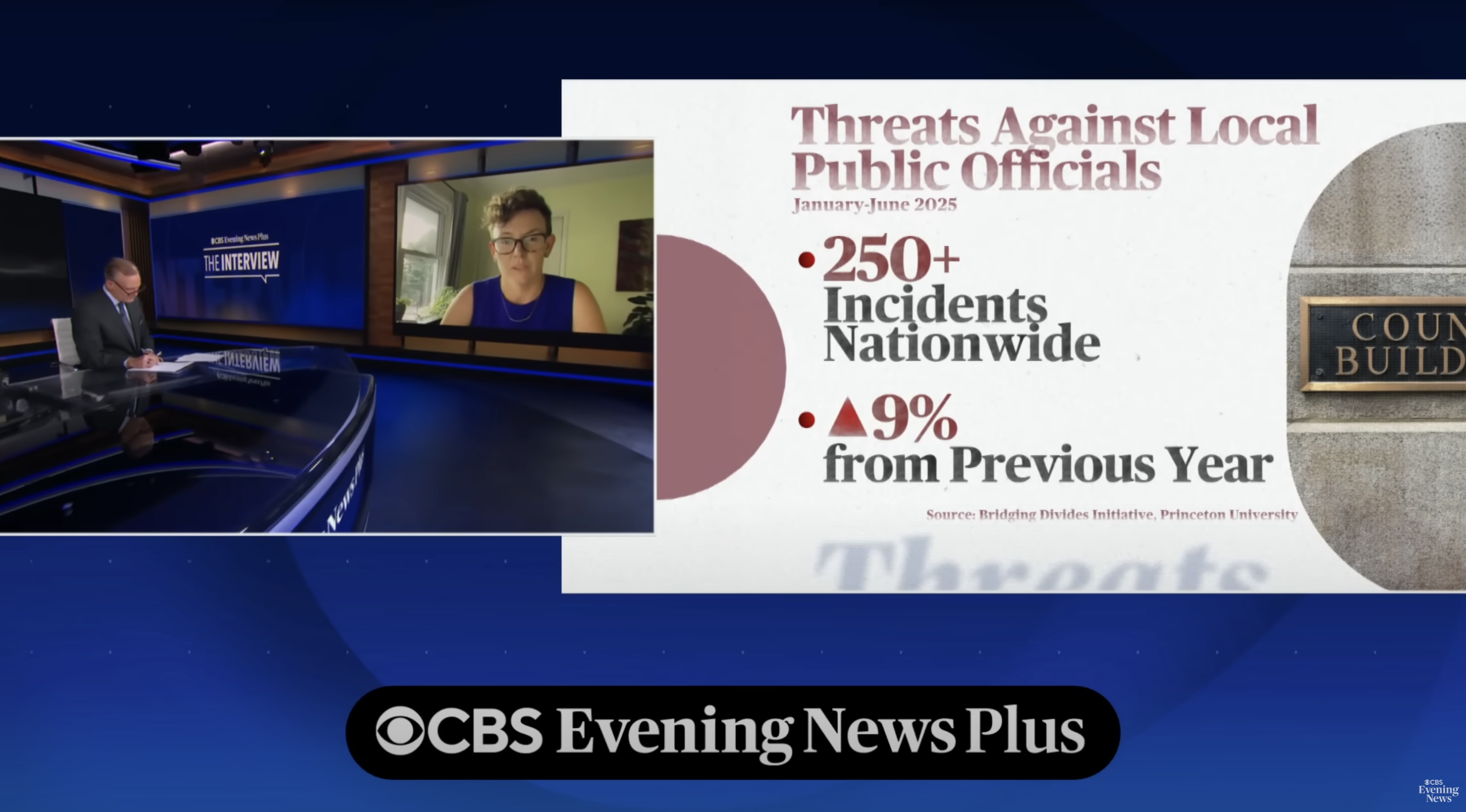
Since 2019, the Bridging Divides Initiative at the Princeton School of Public and International Affairs has tracked political violence in the United States and identified key risk factors for escalation. According to the latest edition of BDI’s yearly trend analysis report, 2025 saw a serious escalation in the risk environment, from high-profile assassinations to aggressive federal immigration operations. Threats against officials spiked, and leading community safety practitioners reported that the demand for de-escalation support surged to new heights.
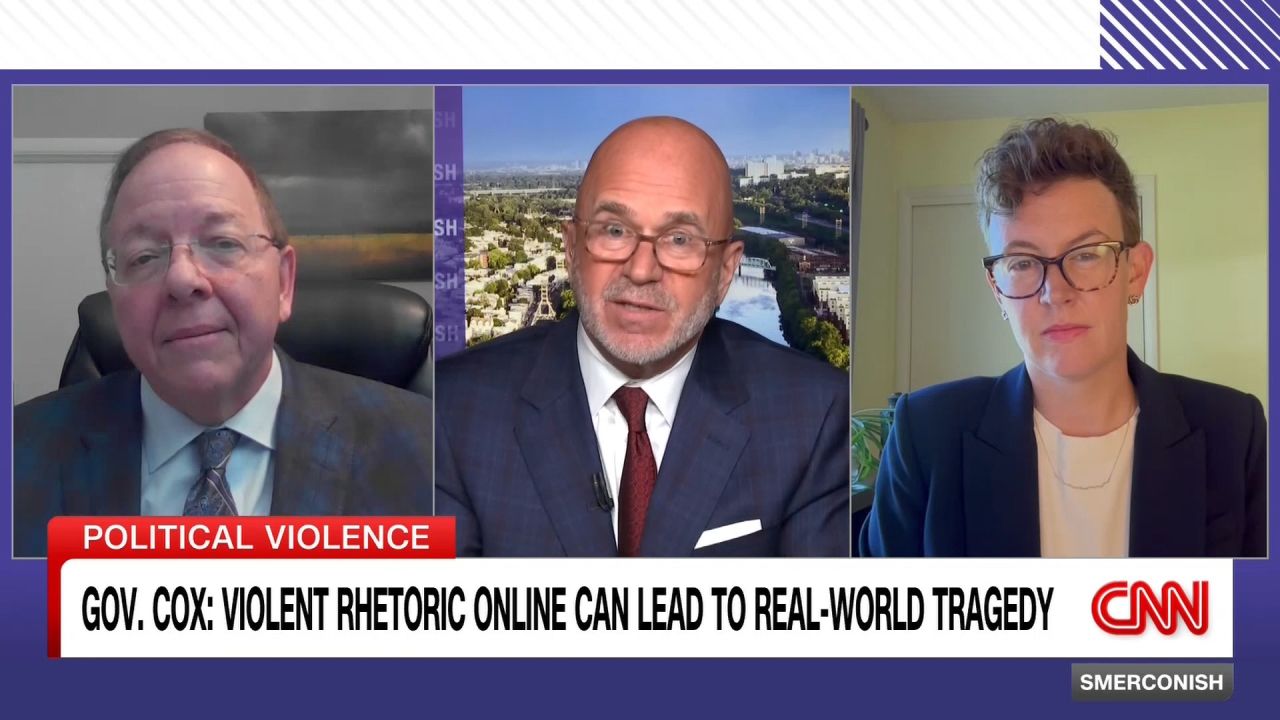
“The data is clear: The risk of political violence intensified last year, and it’s continued to worsen so far in 2026,” said Shannon Hiller, the executive director of BDI.
Bringing together a multi-disciplinary network of information-sharing partners like Armed Conflict Location & Event Data, which produces a global conflict dataset, and the Brennan Center for Justice, a nonprofit law and public policy institute, BDI has helped to build a new system for monitoring emerging threats around the country. The most recent data confirms what many Americans have been feeling: After a series of fluctuations since the heights of 2020 and 2021, political violence is back on the rise.
Already this year, BDI has supported local partners responding to the fatal shootings of Alex Pretti and Renee Good by federal agents in Minnesota, provided monitoring assistance around the attack on Rep. Ilhan Omar and the killing of an armed intruder at President Donald Trump’s Mar-a-Lago residence, and helped “No Kings” organizers coordinate with local authorities to prepare for potential disruptions to peaceful demonstrations, among other at-risk events. The initiative’s data shows that election years often see an increase in threats against officials and politicians, a problem that’s now exacerbated by federal funding cuts for agencies and programs that contribute to election security and violence prevention.
While BDI’s report finds that 2026 is on a “dangerous trajectory,” it also shows that further escalation isn’t inevitable.
In addition to political violence trends, the initiative researches effective models of community resilience and response. “This report is both a warning sign and a resource for positive action,” Hiller said. “Alongside our risk analysis, we always aim to elevate the lessons we’ve learned from partners who’ve been able to push back on political violence and keep their communities safe, despite the threats.”
The report identified three positive developments from 2025:
- Proactive coordination and communication among community leaders, organizers, and local officials has proven to be an essential component of risk mitigation.
- Monitoring and data-sharing networks at the state, local, and civil society levels are stepping up to fill the gap left by funding cuts to trusted federal resources for violence detection and prevention.
- Expanded access to de-escalation and online safety skills are helping communities navigate risks like doxing and government violence.
“Those hard-won success stories prove that we can still change course,” Hiller said. “More and more escalation is not a foregone conclusion.”
With midterm elections less than eight months away, BDI will continue to deepen its research base and provide real-time monitoring support to its partners around the country.
“In periods of heightened risk, it’s imperative that communities have the resources they need to understand and respond to threats,” Hiller said. “If we can keep building off the lessons we’ve learned this past year, we can go a long way toward blunting the worst impacts of violence and even fostering a healthier democracy for the future.”


Top image: Illustration by Shutterstock


