


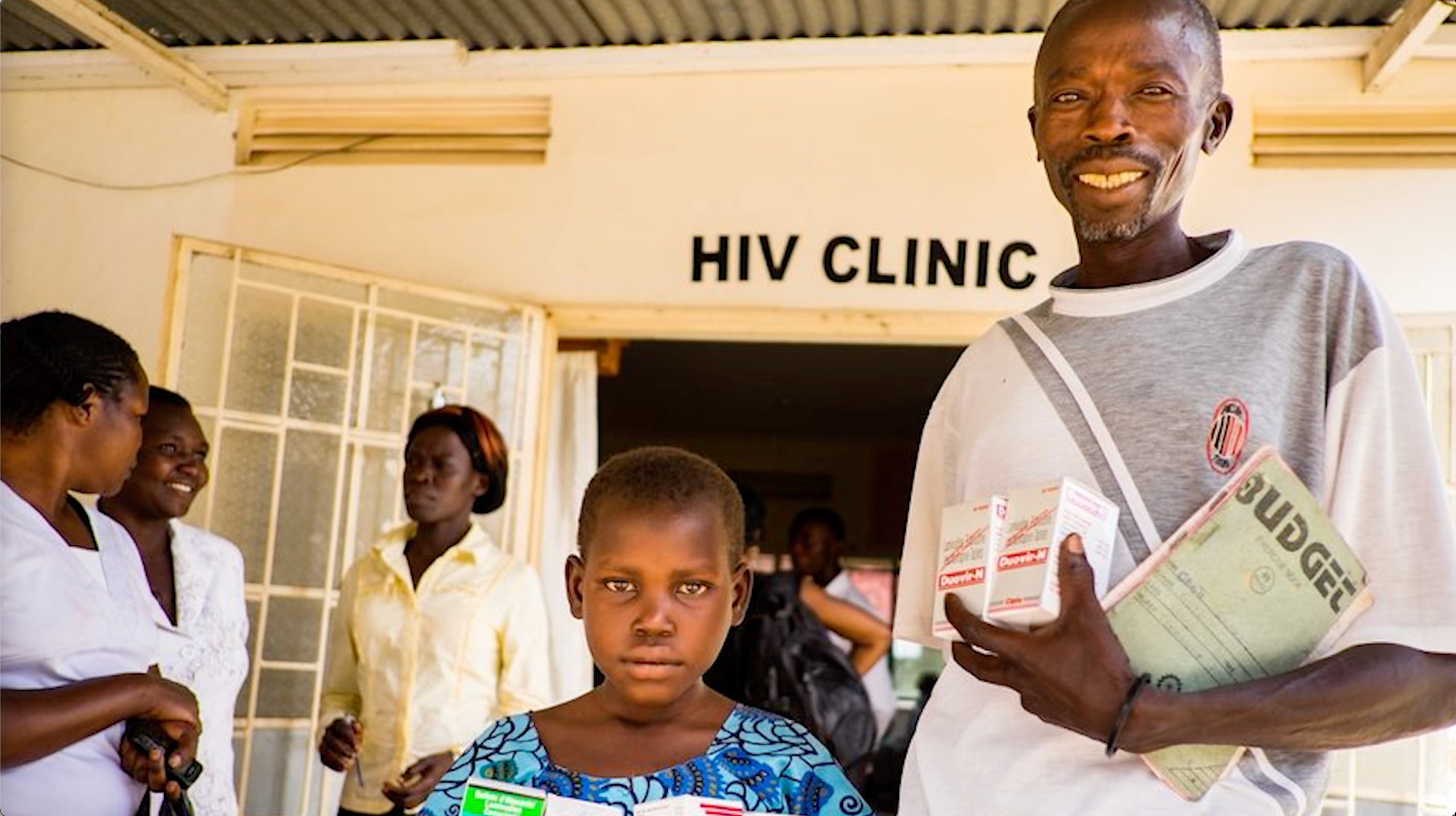
Some of public health’s most daunting problems were solved only through sustained, collaborative global efforts. From collaborative efforts between the United States and the Soviet Union to eradicate smallpox at the height of the Cold War to international pressure to produce less expensive, generic antiretroviral medicines to treat HIV, the 20th and 21st centuries have seen remarkable cooperation in the service of humankind.
More recently, the COVID-19 pandemic spurred the development of successful vaccines at a pace never before seen. At the same time, the crisis brought into stark relief the critical differences between the global haves and have-nots. Wealthy nations stockpiled personal protective equipment and similar supplies, while poorer ones were left to scrounge. After the vaccines were developed and distributed, well-off countries saw their citizens receive multiple doses before people in developing areas got a single dose.
In a new documentary co-funded by the Princeton School of Public and International Affairs’ Liechtenstein Institute on Self-Determination (LISD), a group of prominent public health officials, activists, economists, and researchers urgently call for a new era of imagination and cooperative willpower to battle the crises that are yet to come.
“Creative Resolve: The Future of Global Health” was filmed largely at Princeton last year, when many of its participants were on campus for a LISD-sponsored conference on ensuring equitable access to equipment and treatments for the world’s next pandemic.
“There was a lack of solidarity and there was a lack of equity” in the world’s COVID-19 response, says Barbara Buckinx, a LISD research scholar who served as an advisor on the film and appears in it. The conference and the documentary, she says, looked to answer key questions with an eye toward the future: “How do we overcome that next time around? What type of structural measures can we put in place to overcome that?”
The documentary highlights the power of solidarity and innovation in addressing global health threats. Using the eradication of smallpox, the AIDS response in Rwanda, and the global mobilization around COVID-19, the film shows how creativity and resolve have repeatedly fueled the innovations needed to overcome major obstacles to human development, and how individuals and communities have transformed their social worlds to advance human rights.
“This is when we need to put all our efforts into preparing for the next one,” Buckinx says in the documentary. “And the only way to do that is to put in place practices that encourage cooperation.”
Buckinx and Brian Mhando ’26 produced a brief report summarizing the conference at Princeton, but she and the organizers felt that a visual capturing of the participants’ recommendations and advocacy would provide for a far more powerful message. She hopes that it will inspire students, many of whom display a sense of hopelessness around such challenges as climate change and rampant poverty.
“Anyone who is considering value-driven lives would benefit from seeing this,” Buckinx says. “That's the ideal audience, and I think that that's also where the film is better than a written report.”
“Creative Resolve: The Future of Global Health” will be screened at Princeton University on Tuesday, April 21, at 5 p.m., in the Cyril Black Seminar Room, 019 Bendheim Hall.

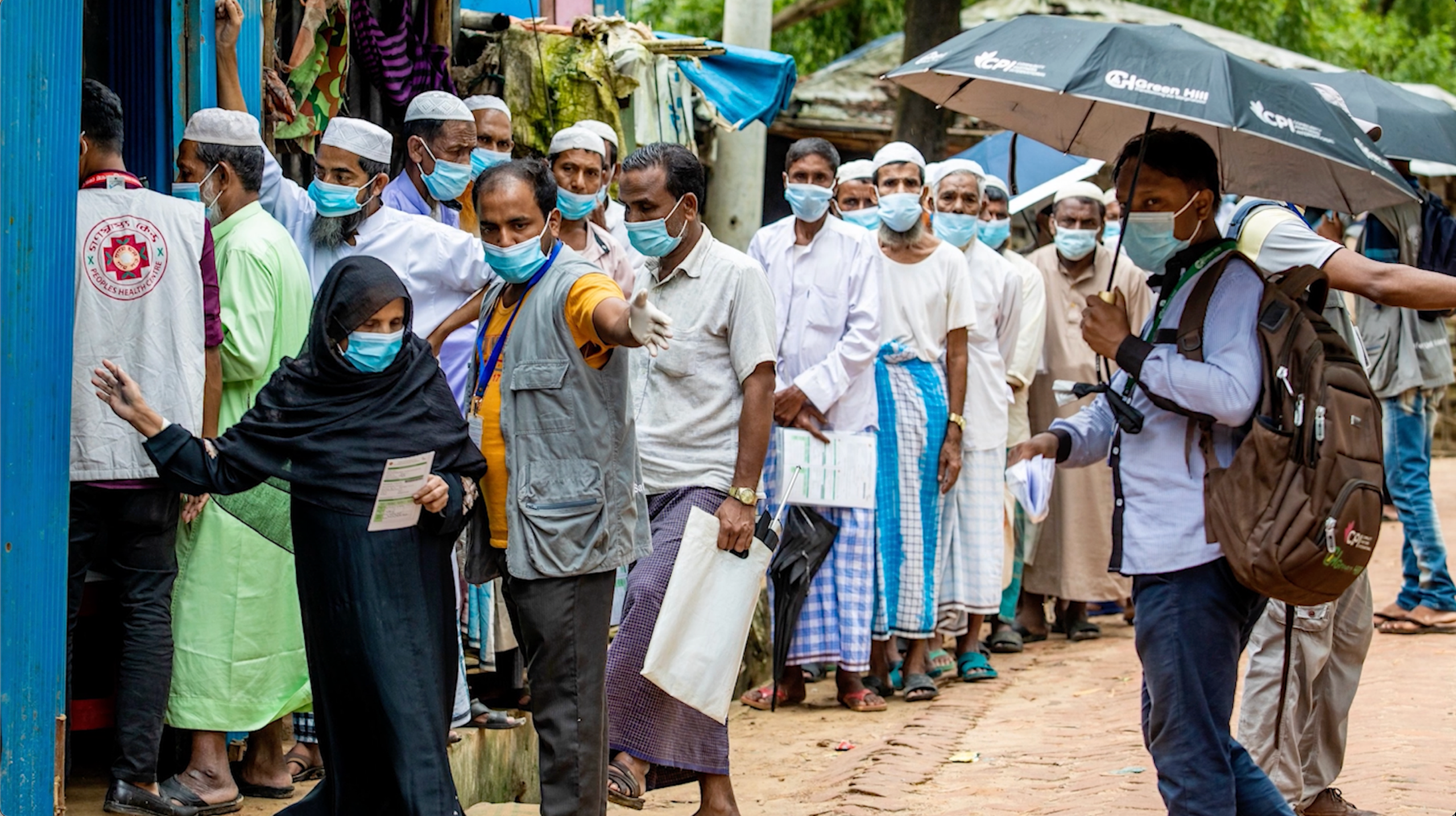
Top image: People line up to receive a COVID-19 vaccination. Photo courtesy Liechtenstein Institute on Self-Determination.


