

In the days before barcodes and scanners, Princeton librarians kept track of who checked out a particular book by using readers’ university ID cards to imprint their names on a card accompanying the book. The card was then returned to the book when it was checked back in.
As a junior at the Princeton School of Public and International Affairs in the early 1980s, Jeffrey Herbst was in the library conducting research for a policy task force when he picked up a book and took a look at its card to see who had checked it out before him. One of the names he read stood out to him: Princeton SPIA faculty member Sir W. Arthur Lewis, who had won the Nobel Memorial Prize in Economic Sciences just a few years before.
“I remember how startling it was that we were, at least vaguely, in the same intellectual community and both trying to learn from this book,” said Herbst, who earned his bachelor’s in 1983. “It made a huge impression on me.”
Duly inspired, Herbst went on to Yale University to earn a pair of master’s degrees and a doctorate. Herbst returned to Princeton SPIA as a faculty member with a joint appointment in the Department of Politics and began supplementing his teaching and research with administrative roles: committee member, program director, academic department chair. Next came the provostship at Miami University of Ohio. In 2010, Herbst joined Colgate University as its president; he later served as president of the American Jewish University.
Herbst is one of several Princeton SPIA graduates – from the bachelor’s, master’s, and doctoral programs – to serve as the president of a college or university. He credits the School for an interdisciplinary approach that he came to learn was very beneficial but not at all typical.
“At the time, I thought it was completely natural that you have economists and political scientists and anthropologists working together,” Herbst said. “I would learn later that that was unusual. There were things that were not apparent to me at the time that I came to appreciate much more later on.”
While Herbst’s pathway to the president’s office was fairly straightforward, other alumni have taken a more roundabout route.
After earning her MPA from Princeton SPIA, Jennifer Raab ‘79 went on to earn a J.D. and work as a litigator at a pair of law firms. She then served as the chair of New York City’s Landmarks Preservation Commission, designating and overseeing historic properties, before being appointed the president of the City University of New York’s Hunter College, a position she held for 22 years. For her, the School’s analytical and quantitative curriculum was a difference maker.
“The analytic skills we learned were really important,” Raab said. “Nobody was getting up in the morning, at least in my group, saying, ‘Can't wait for statistics.’ But all of that training turned out to be incredibly valuable, as were the problem-solving approaches we learned in all policy seminars. Understanding how different groups viewed a problem and how you had to get many stakeholders in the room to get to the right answer.”
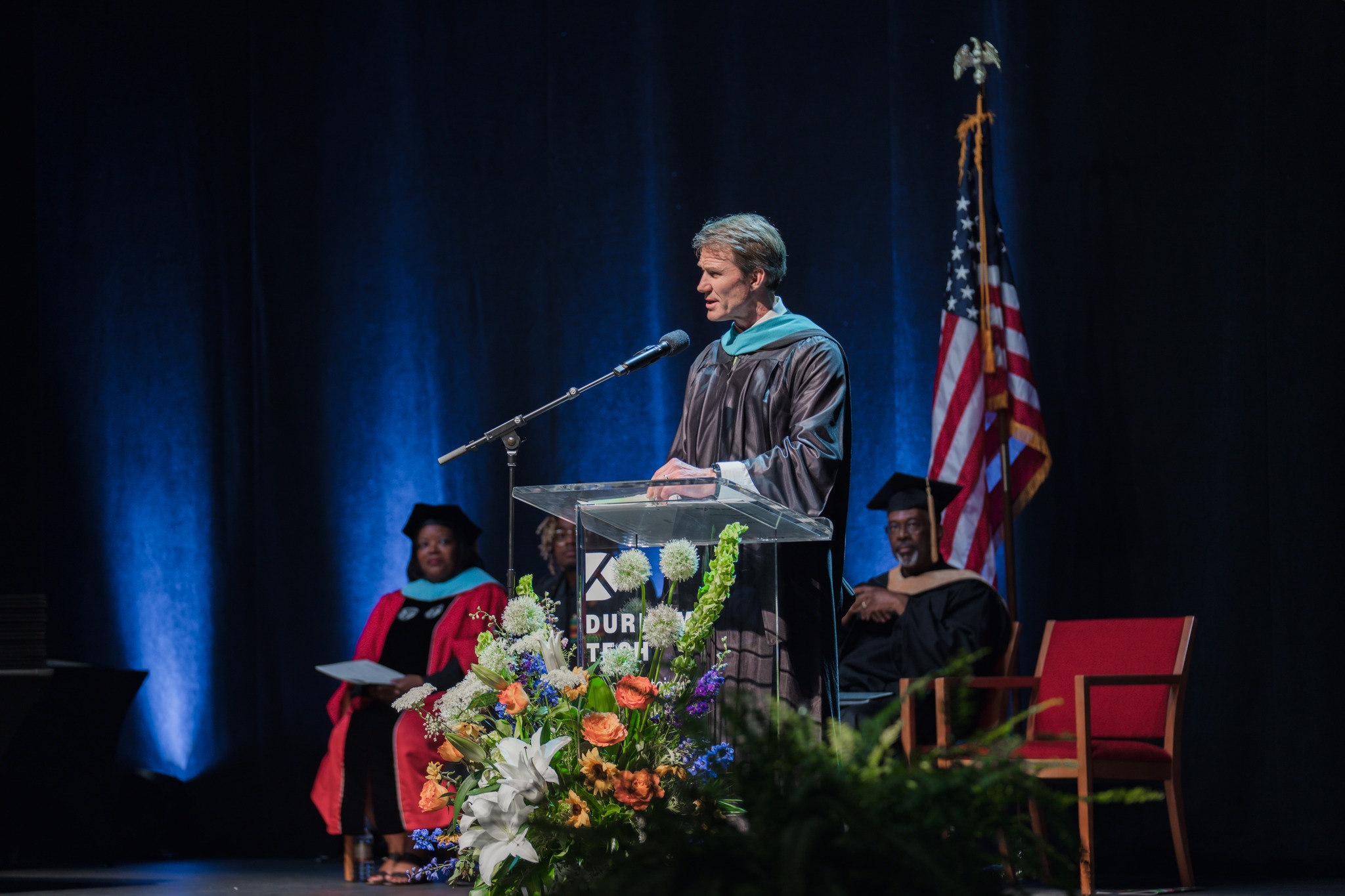
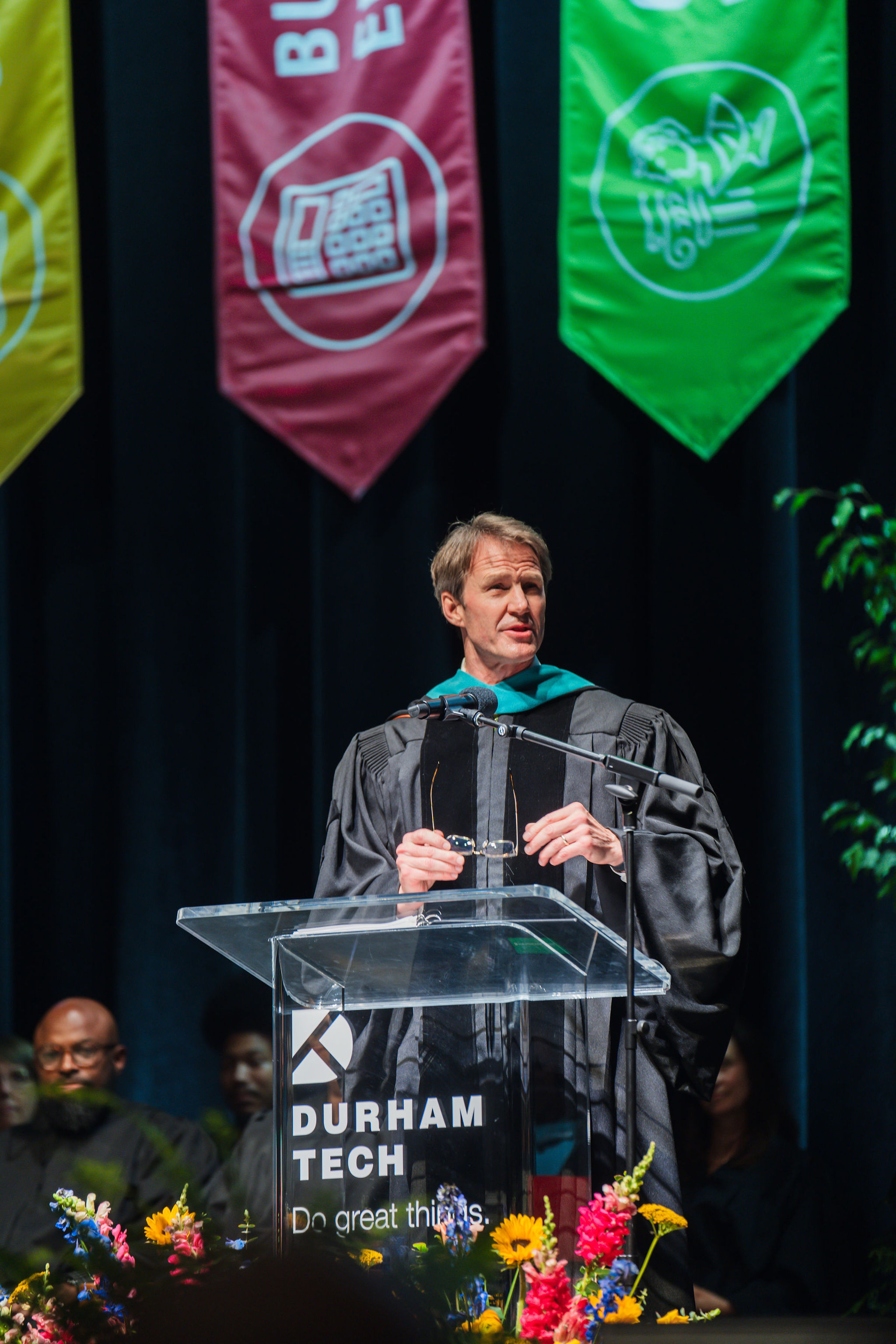
John “J.B.” Buxton MPA ‘99, the president of Durham Technical Community College, said his time at Princeton helped him to develop a “decision-making calculus” to make goal-oriented decisions amid a wide array of variables, sometimes missing information, and constituencies that didn’t always see eye-to-eye.
“In a lot of the work we did across all kinds of classes, that was kind of a theme for me,” Buxton said. “How do you make good judgments that move your goals forward, whether you're talking about economic policy, education, environmental, international diplomacy? I felt like again and again I was in that kind of situation trying to think through that kind of decision calculus and make thoughtful and value-based judgments with also an understanding of the reality of politics and the pragmatism of government. And in higher education these days, I have to tell you, that's come in handy. I feel like that's every day.”
Prior to landing at Durham Tech, Buxton taught high school English, was a senior education advisor to North Carolina’s governor and a deputy state superintendent of the North Carolina Department of Public Instruction, served as a White House Fellow working with the Domestic Policy Council, directed policy and research for the Public School Forum of North Carolina, and coordinated special programs for the North Carolina Teaching Fellows Program. On top of all that, he founded a consulting practice focused on improving preK-12 and postsecondary public education. Despite his experience in education, at Princeton Buxton found he could still learn a thing or two about the sector.
“I’d been out in the working world for five, six years and felt like I had developed a pretty good body of knowledge about the industry I was in,” he said. “And then I found myself in conversations with people who hadn't been in education and had, at times, better insights on educational issues than I did. And so I got good at Princeton at listening, learning, and paying attention to how other people saw things.”
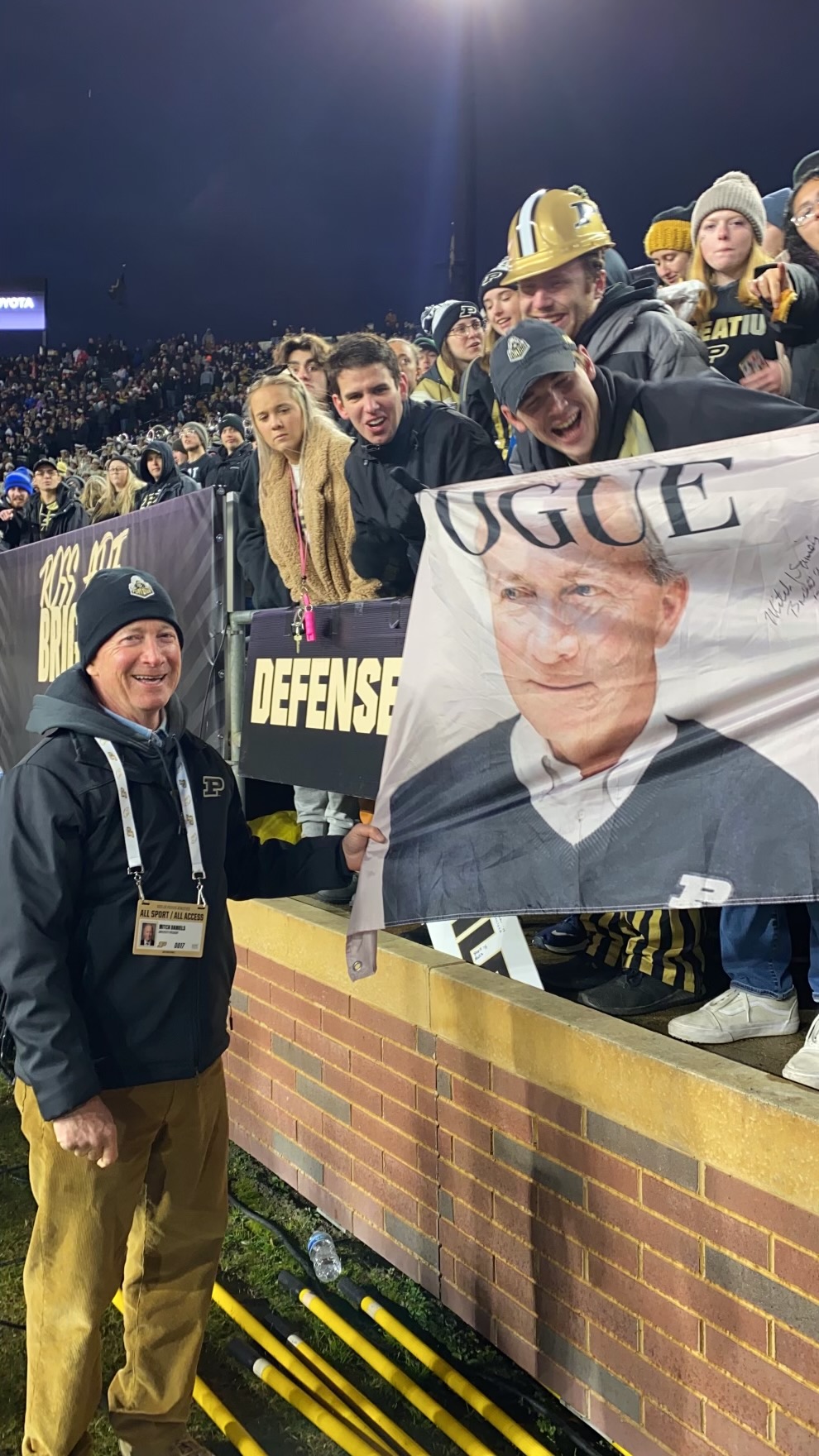
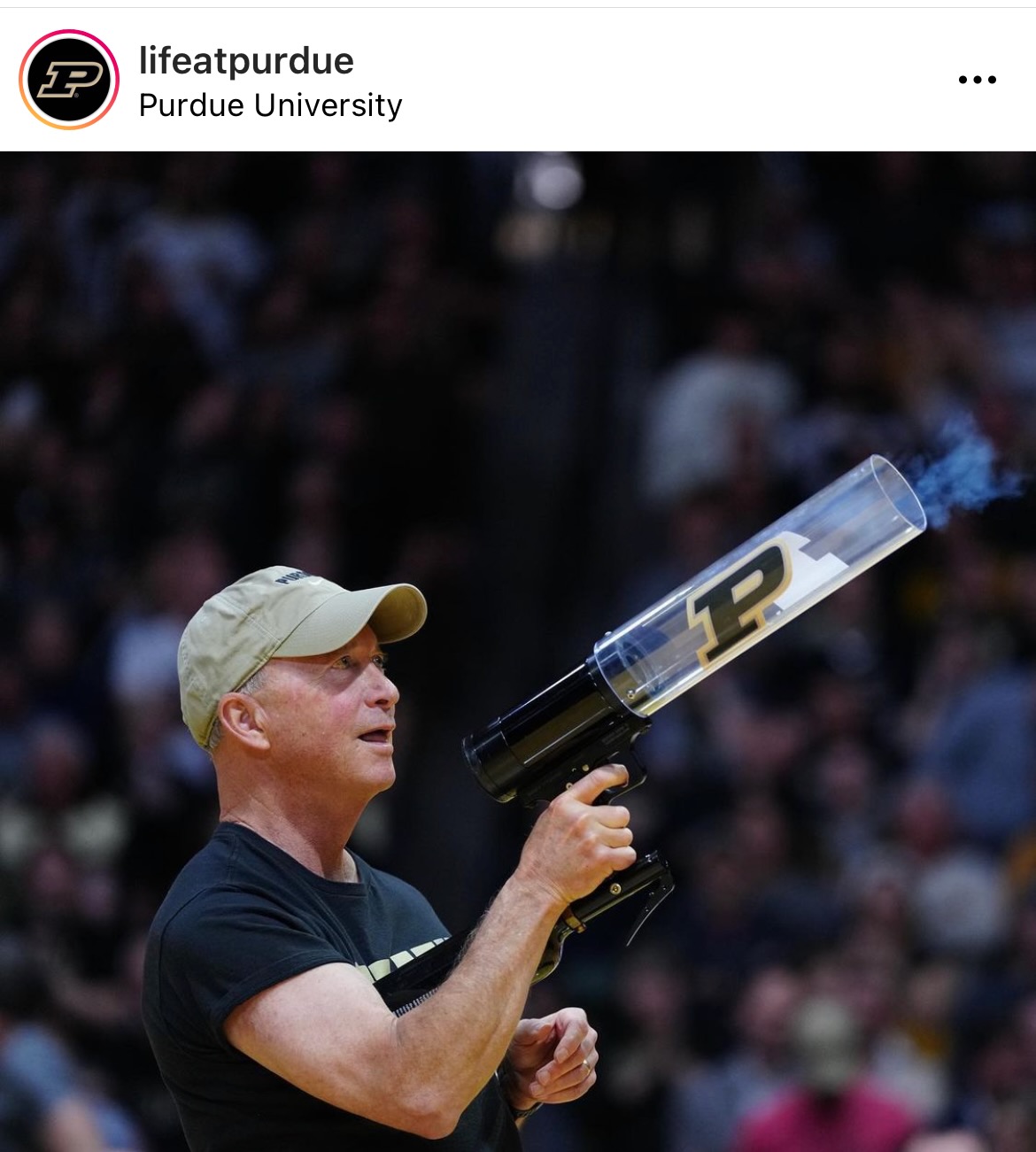
Like Buxton, Mitch Daniels enjoyed a robust and varied non-higher-ed career before being tapped for academia. In addition to serving as a senior executive at Eli Lilly and Company, he worked in the administrations of Ronald Reagan and George W. Bush and served as the governor of Indiana. In January 2013, he began a 10-year tenure as the president of Purdue University. As much as people believe there are profound differences among the corridors of the White House and the statehouse, corporate America, and the halls of the academy, Daniels says, for leaders they’re more alike than not.
“In any of the assignments I've had, I always thought that the principal duty in a chief executive type role was to paint a picture,” he said. “That is, to imagine how things could be even better than they were, and to identify big goals. I always tried to be attentive to the day-to-day administration and to try to insist on high performance and all of that. But the unique assignment, I always felt, was to think about big changes, positive changes that one might bring, and then get other people excited about them. Those things, whether it’s in business, in government, or ultimately in higher ed, those fundamentals, I think, you'll find each place.”
Daniels believes his breadth of experience served him well in higher education, and he said that his time as a Princeton SPIA undergraduate helped foster it.
“I think I was very well generally prepared for this somewhat unusual variety of job opportunities that came along,” Daniels said. “I probably need to give those four years more credit than I sometimes have.”
After earning a bachelor’s in geography and environmental engineering and a master’s in city planning, Kathryn Foster set out to become a city planner. She landed a job in San Luis Obispo County, California, as the Local Agency Formation Commission analyst and began teaching undergraduate courses part-time at nearby California Polytechnic State University, San Luis Obispo, an experience that hooked her on teaching. She remained as a lecturer for a few more years, went to Swaziland (now known as Eswatini) with the Peace Corps, and then came to Princeton SPIA to begin doctoral studies.
“What I remember is thinking how hard it was to go to school again when I'd been in the working world,” Foster said.
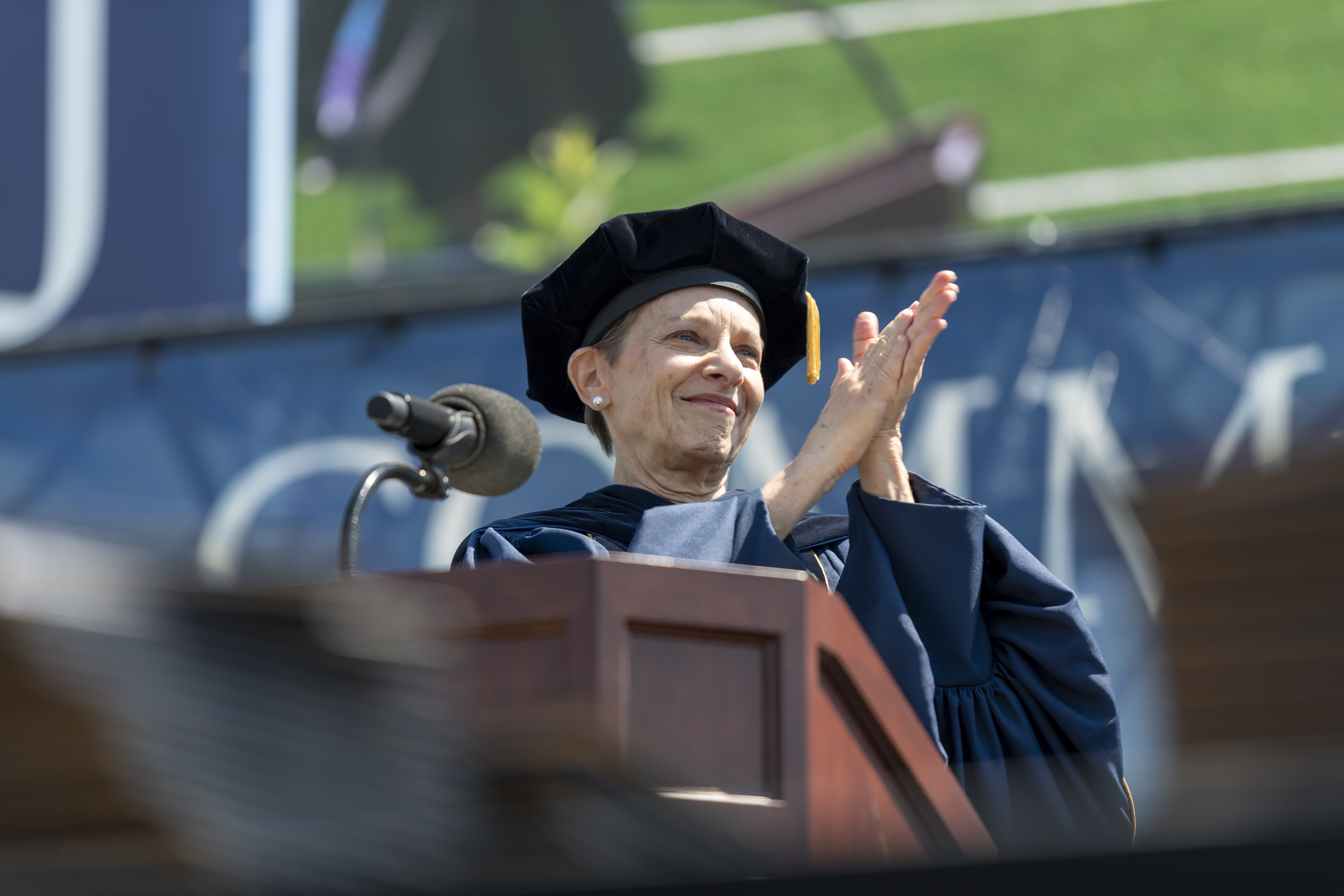
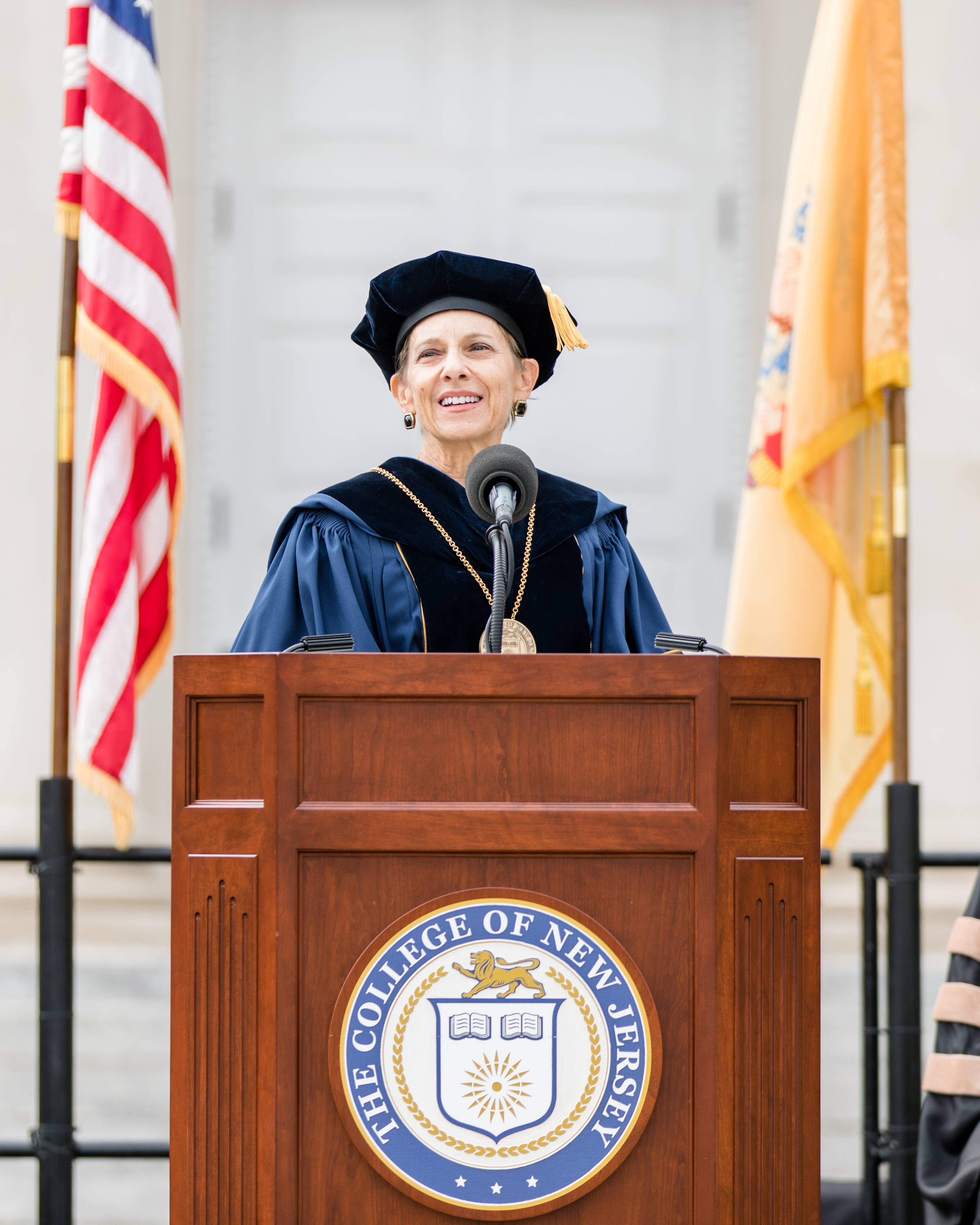
Foster persevered, earned her Ph.D., and joined the faculty of the University at Buffalo, where she taught for 12 years and spent another six as director of one of its research institutes. After a year as a visiting fellow at the Brookings Institution, she landed her first presidency, at the University of Maine at Farmington. Foster was at Farmington for six years before being named president at Princeton’s Mercer County neighbor The College of New Jersey, which she led for five years.
“The job of college president is a generalist's dream,” Foster said. “Every day is different – dealing with athletics, alumni, state policy, board of trustees, student groups, academics, facilities, strategy, fundraising, admissions, and on and on. I relished the variety and the chance to exercise different muscles while on the job.”
Tony Marx’s route to the president’s office at Amherst College began during his time as an undergraduate at Yale, when he served on trustee committees and had the chance to observe the university’s head up close. After graduating, he worked for the president of the University of Pennsylvania before heading to South Africa and a position with an anti-apartheid NGO.
“Both of those whetted my appetite for graduate school to learn more,” said Marx, who came to Princeton SPIA and earned an MPA and a Ph.D. He joined the faculty of Columbia University, where he taught and conducted research for 13 years. The death of Marx’s father in 2001 followed by the September 11 attacks spurred him to seek fulfillment outside of teaching and scholarship, and “college administration seemed like the way to move forward.” He landed the president’s post at Amherst in 2003 and served for eight years.
“SPIA taught me more about how the world works, how to combine theory and practice, how to see how local connects to global,” he said. “Dean [Donald E.] Stokes used to repeat ‘where you stand depends on where you sit,’ and to be honest, we made some fun of that. But, of course, he was right and more insightful than we understood at the time. I think Princeton also taught me that if you are not trying to get credit for all you do, you can get more done.”
Fellow Princeton SPIA MPA/Ph.D. alumnus Scott Fritzen joined the faculty of the National University of Singapore after earning his doctorate. Fritzen thought it would be a short stopover on his way to a career in international development.
“But I discovered I not only loved teaching—I loved thinking about how to build and improve the program itself,” he said. “One step at a time, I found myself drawn into academic administration.”
Fritzen went on to administrative posts at several other universities before being named the president of Fulbright University Vietnam, a post he held for two years.
“My MPA, which I completed before my Princeton PhD, was an outstanding preparation for a life of service,” he said. “It taught integrative problem-solving grounded in rigorous analysis and expressed in clear, action-oriented communication — often in the form of memos whose concision and clarity I still aspire to. The fact that many of our memos were written by small student teams also underscored all the team building and maintenance and compromise skills that we all know are so profoundly important to the world of practice.”
At a time when higher education has lost some luster among the public, Foster, like her fellow Princeton SPIA alumni, remains a staunch advocate.
“Plenty of people and pundits can give you the argument for why college no longer matters or has lost value,” Foster said. “I believe in what we do, not only because education was my life's work and joy, but because I saw daily the difference a college experience and degree made for the thousands of students I encountered.”
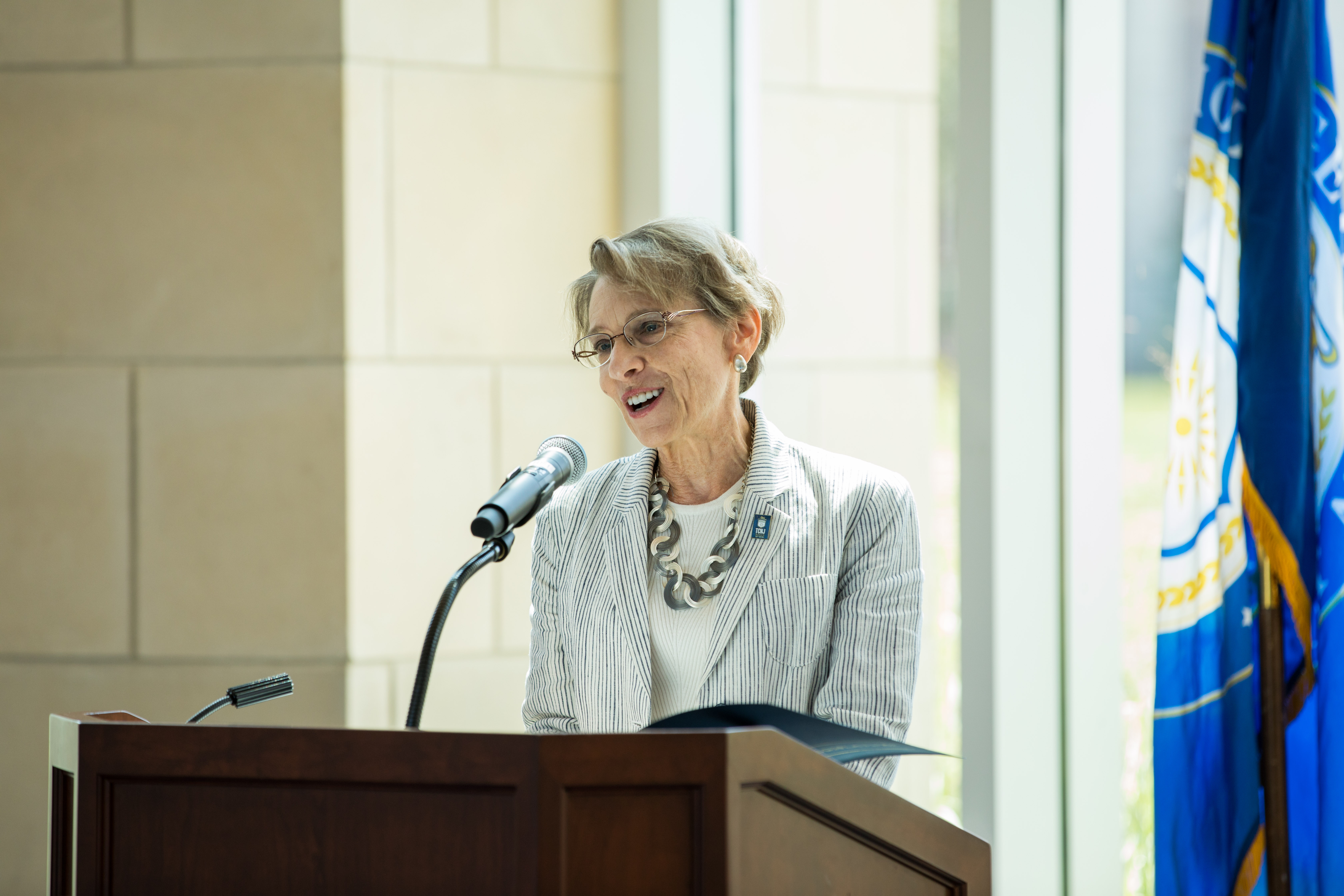
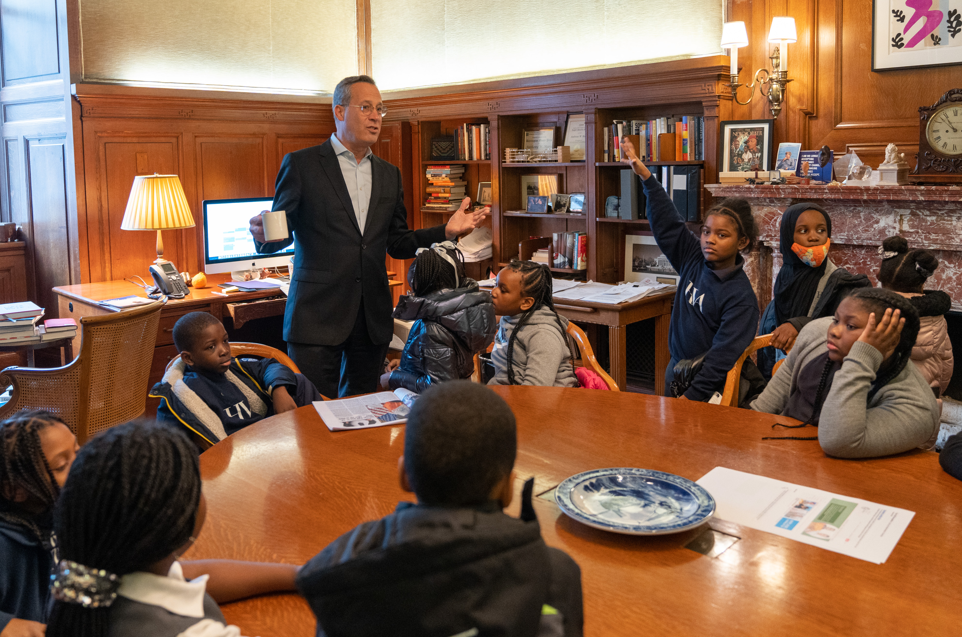
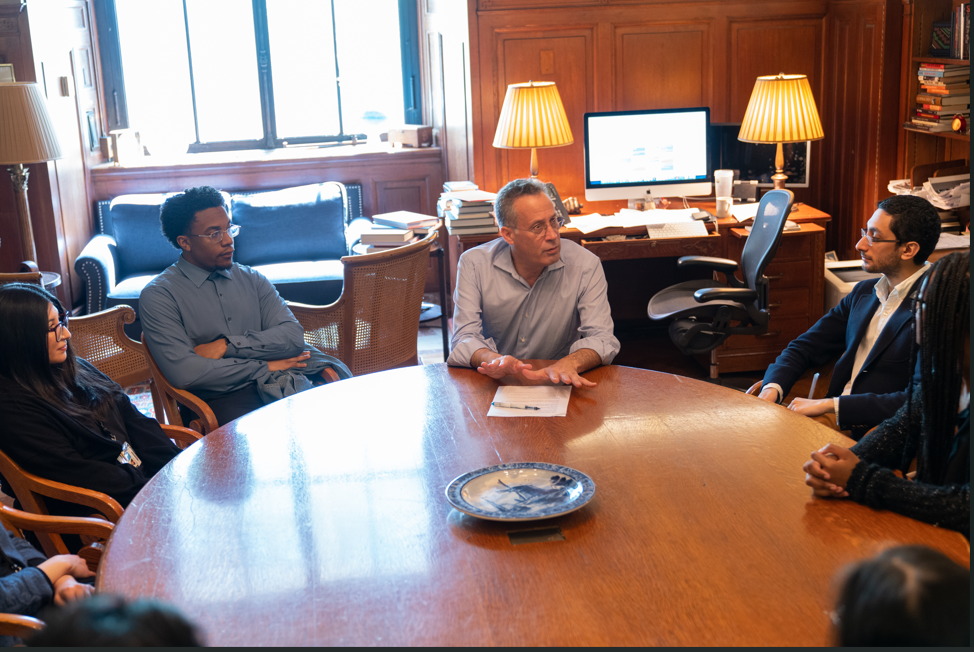
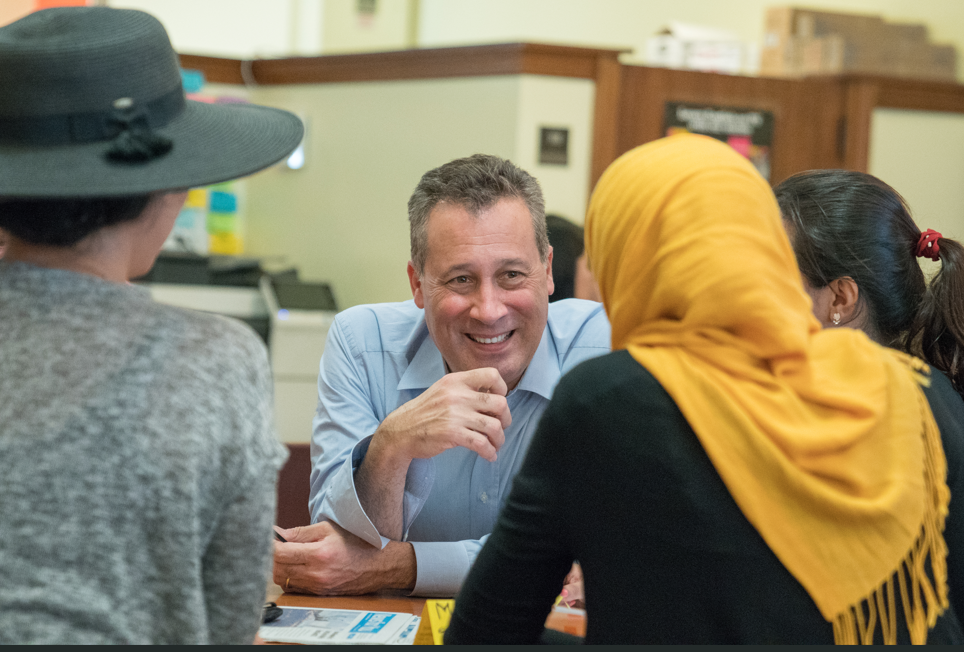
Top photo, left to right:
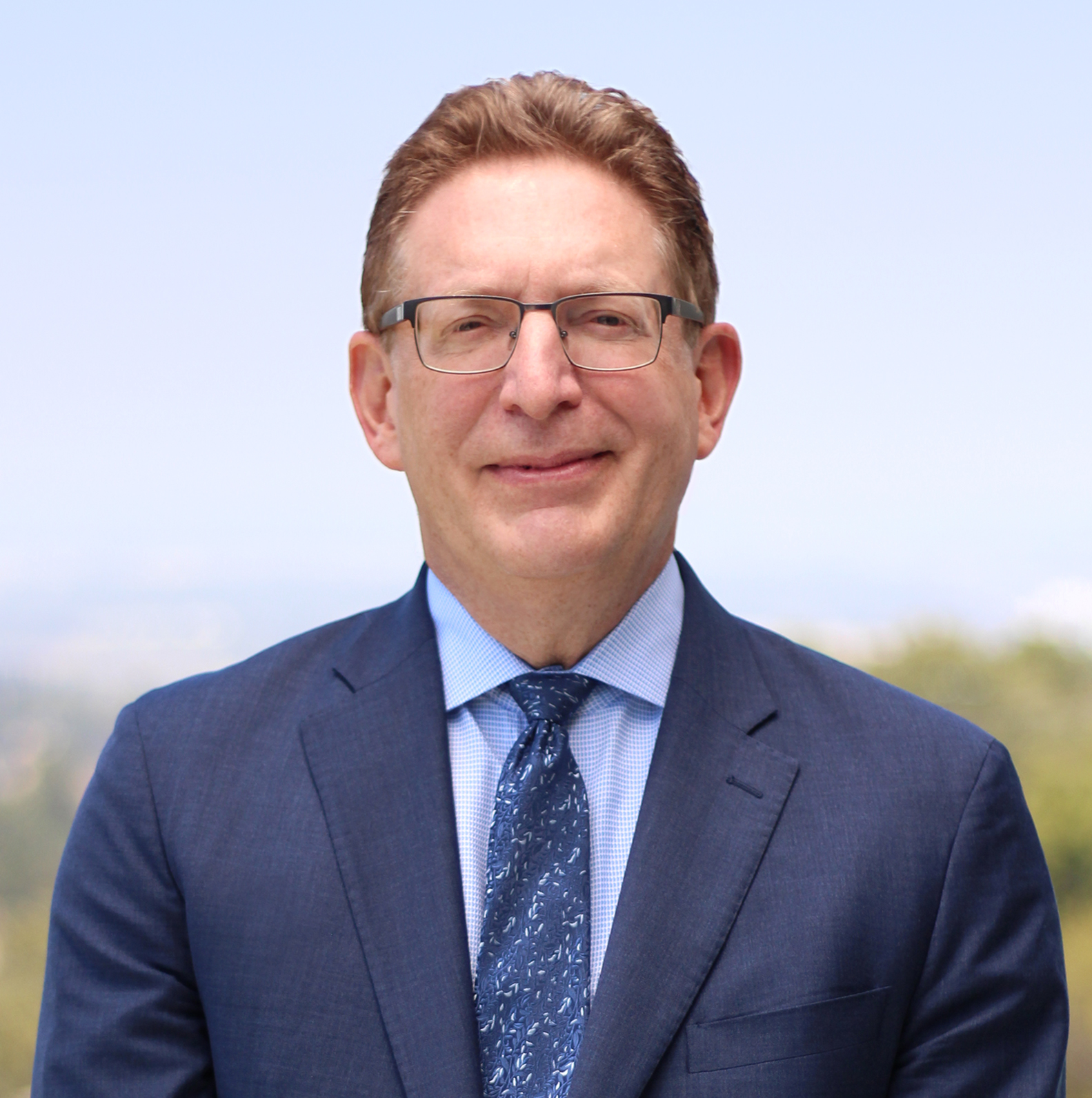
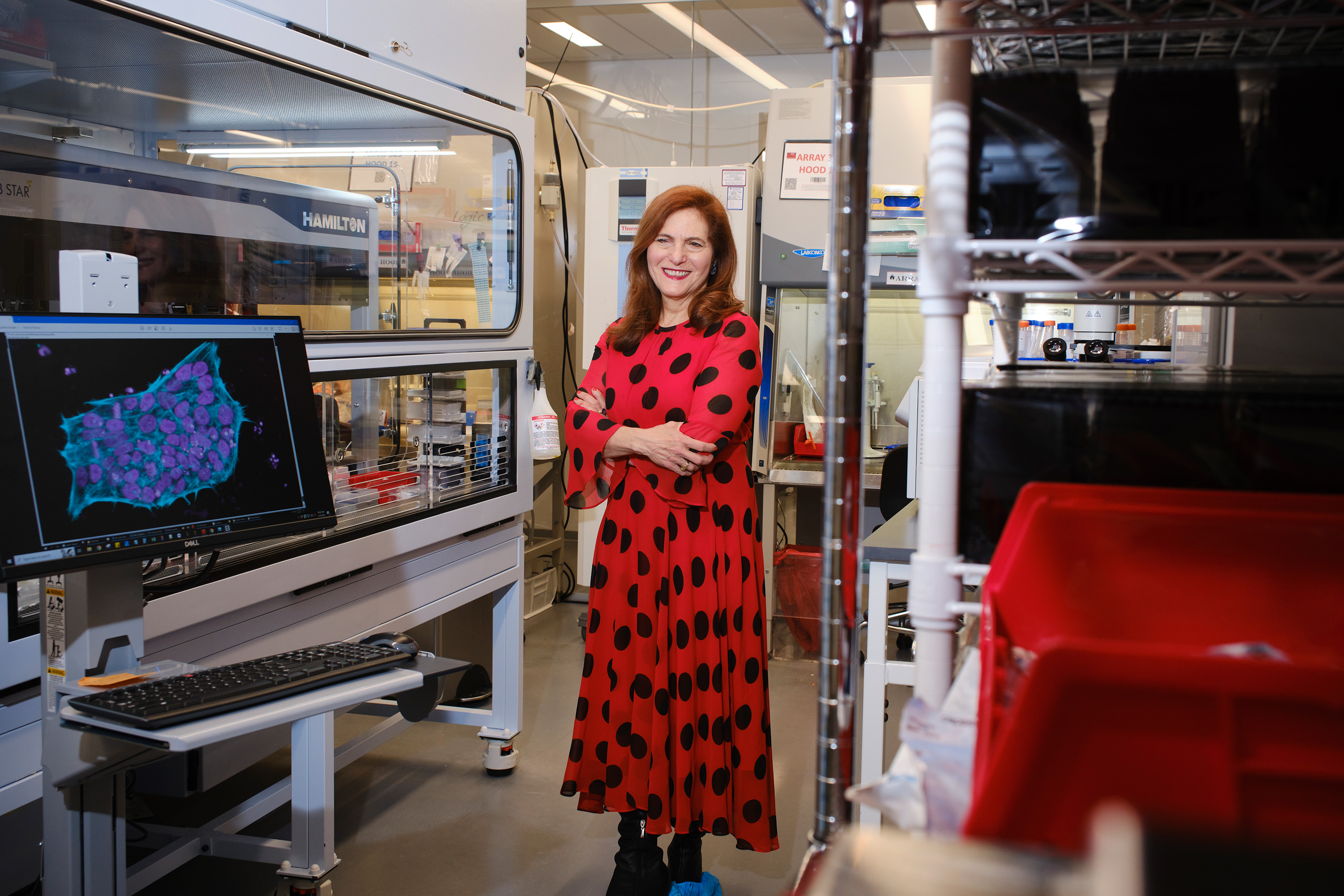
Jeffrey Herbst, Jennifer Raab, John “J.B.” Buxton, Mitch Daniels, Kathryn Foster, Tony Marx, Scott Fritze