


For the Princeton School of Public and International Affairs, 2025 was a year that required meeting an extraordinary moment.
Shortly after President Trump’s inauguration, the new administration initiated significant changes in the federal workforce. For an institution and an alumni base so deeply rooted in public service, adaptability and resilience were paramount. The School pivoted in numerous ways, welcoming a variety of speakers who discussed the various pathways to service, connecting alumni with students and with one another, and leveraging the SPIA DC Center’s capacity as a hub for policy discourse, networking, dialogue, and professional growth.
Princeton SPIA’s nimbleness in the face of deep transition was just one of many significant stories over the course of the year. In May, the School concluded its two-year celebration of the 75th anniversary of its Master in Public Affairs program with a special presentation and reception at Reunions. Hundreds of alumni returned to campus in October for Many Minds, Many Stripes, a conference celebrating Princeton’s graduate alumni. Among the sessions was a discussion moderated by Dean Amaney Jamal and featuring Cara Abercrombie MPA ’03 and Ajay Bisaria MPP ’09, who drew on their long careers as a civil servant and career diplomat to share how governments with differing interests can find common ground.
Here are some of the other storylines we followed this year.
A Variety of Perspectives
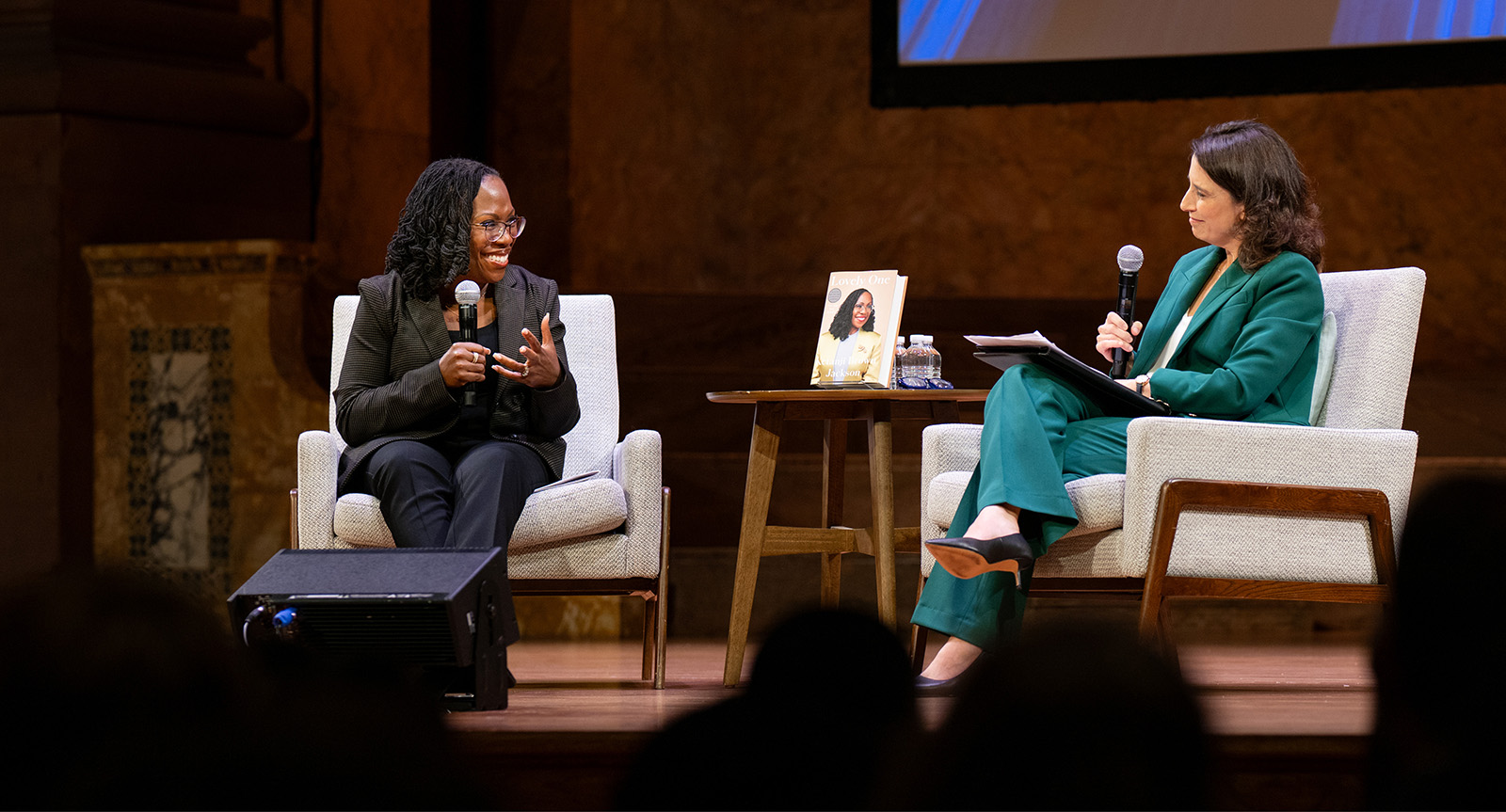
Photo By Sameer A. Khan / Fotobuddy
The Dean’s Leadership Series welcomed 25 guests during the 2025-26 academic year. The speakers were from a wide range of fields and included former heads of state and foreign affairs ministers, current and former members of Congress, analysts, activists, thinktank leaders, and foundation heads. Several of the events were also part of the School’s Constructive Dialogues initiative, which convenes panelists from different backgrounds and with different perspectives in civil conversation on a variety of topics.
In addition, the Program in Law and Public Policy’s Justice John Marshall Harlan Lecture in Constitutional Adjudication was delivered by Supreme Court Justice Ketanji Brown Jackson in Richardson Auditorium. Following a reading from her memoir “Lovely One,” she answered questions from P*LAW Director Deborah Pearlstein. “When you’re trying to figure out what you want to do with your life, the key question is, ‘What am I willing to work for?’” Jackson advised students in the audience. “‘What motivates me? What am I passionate about?’ Those are the things that you should do in this current climate.”
Bipartisan Projects
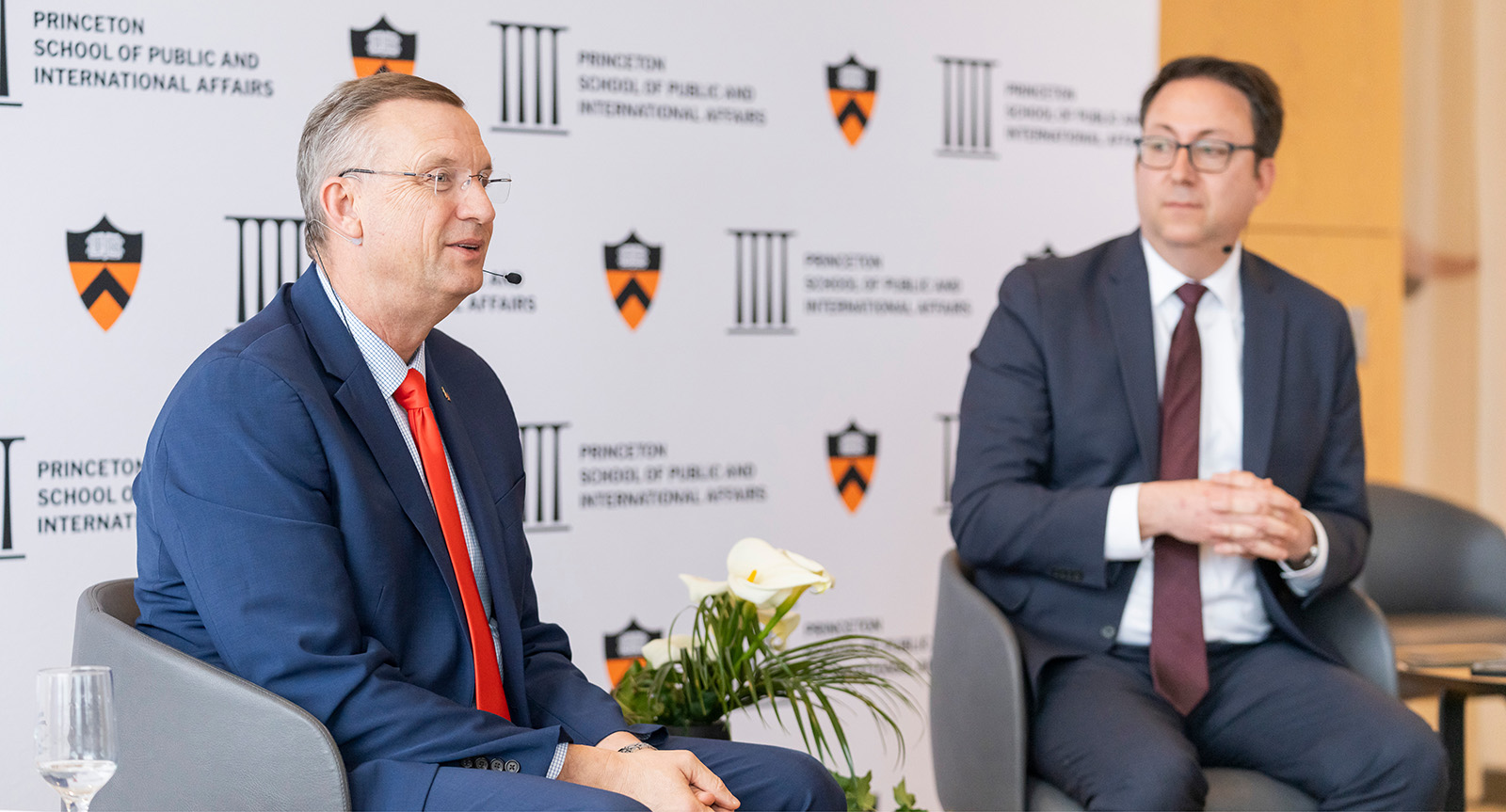
Throughout 2025, Princeton SPIA engaged in multiple bipartisan initiatives. In April, the SPIA DC Center hosted a discussion of bipartisan criminal justice reform highlighted by Doug Collins, the U.S. Secretary of Veterans Affairs. Two months later, following discussions facilitated by the School and the Council on Criminal Justice, national organizations from across the political spectrum released a set of principles aimed at guiding policymakers in reforming the U.S. criminal justice system to be fairer and more effective. And in July, the bipartisan Princeton Initiative on Restoring the Constitutional Powers of Congress released a report examining the decades-long erosion of the House and Senate’s constitutionally mandated powers and discussing what can be done to reinstate them. The initiative is based at Princeton SPIA and its Center for the Study of Democratic Politics and comprises more than three dozen participants including former members of Congress from both parties and top scholars from 19 universities.
The Faculty Shine
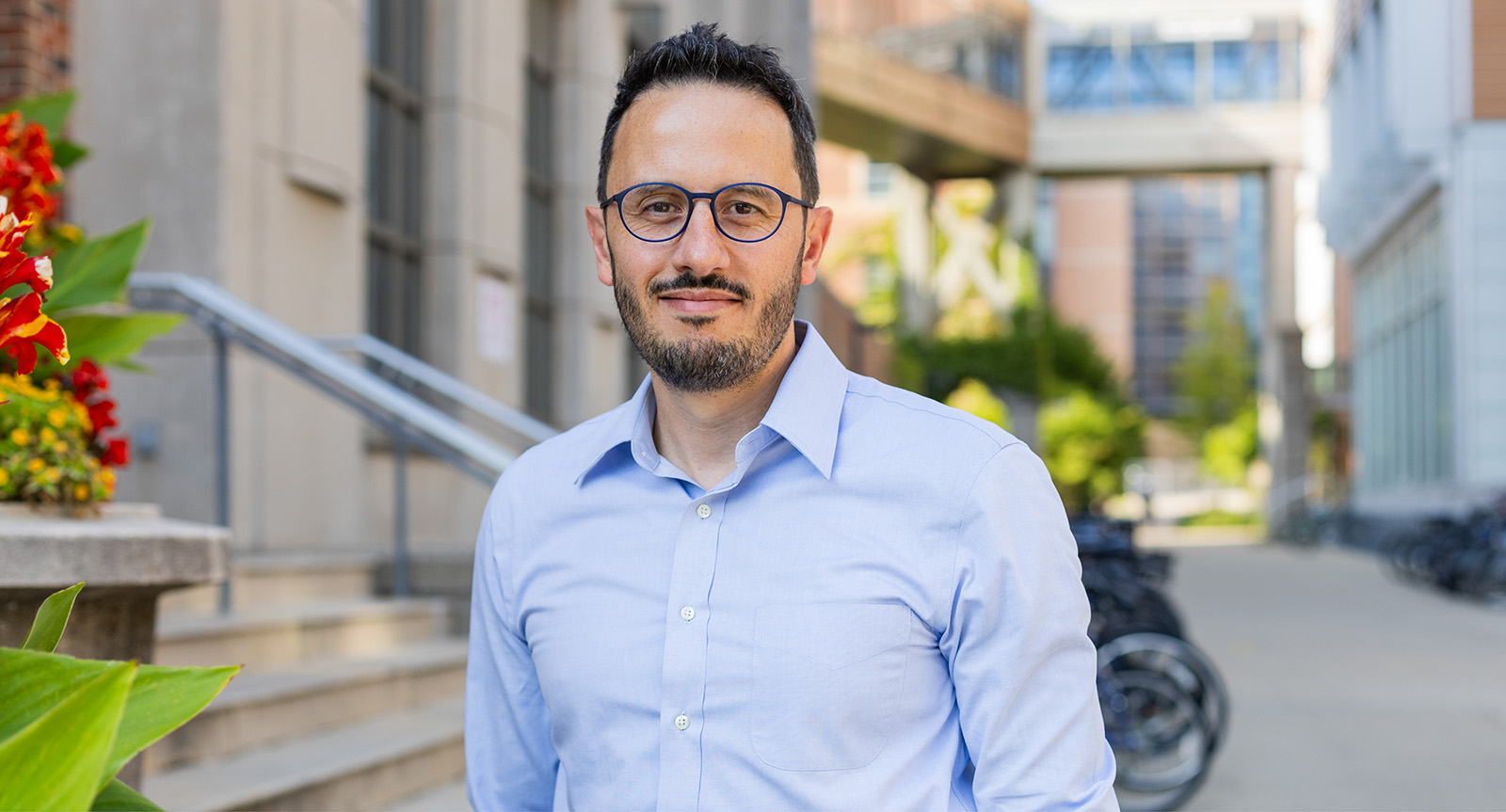
Photo by John D. and Catherine T. MacArthur Foundation
Princeton SPIA faculty published several provocative books in 2025, including Julian E. Zelizer’s “In Defense of Partisanship” and Frances E. Lee’s “In Covid’s Wake: How Our Politics Failed Us.” Other topics included reflections by the former longtime director of Human Rights Watch, a re-examination of the 1990s, and racially based healthcare inequality in Washington, D.C.
Faculty award winners were also numerous, led by the Program on Science and Global Security’s Sébastien Philippe *18, who received a MacArthur Fellowship, known more commonly as a “genius grant.” Additional recognition of the School’s faculty included the National Medal of Science, to Larry Martin Bartels; the Presidential Early Career Award for Scientists and Engineers, to Aleksandra Korolova; the Society of Experimental Psychologists’ Howard Crosby Warren Medal, to Elke Weber; and the Sloan Research Fellowship, to Maria Micaela Sviatschi.
Heather Howard, a professor of the practice at Princeton SPIA, earned a two-year, $8.8 million renewal of a Robert Wood Johnson Foundation grant in support of the State Health and Value Strategies program, which she directs. The School’s Program on Science and Global Security received a $500,000 grant from the Carnegie Corporation of New York to investigate how the pursuit and deployment of emerging technologies for military advantage may reshape nuclear war risks and how global diplomacy could address the related security challenges.
Student Successes
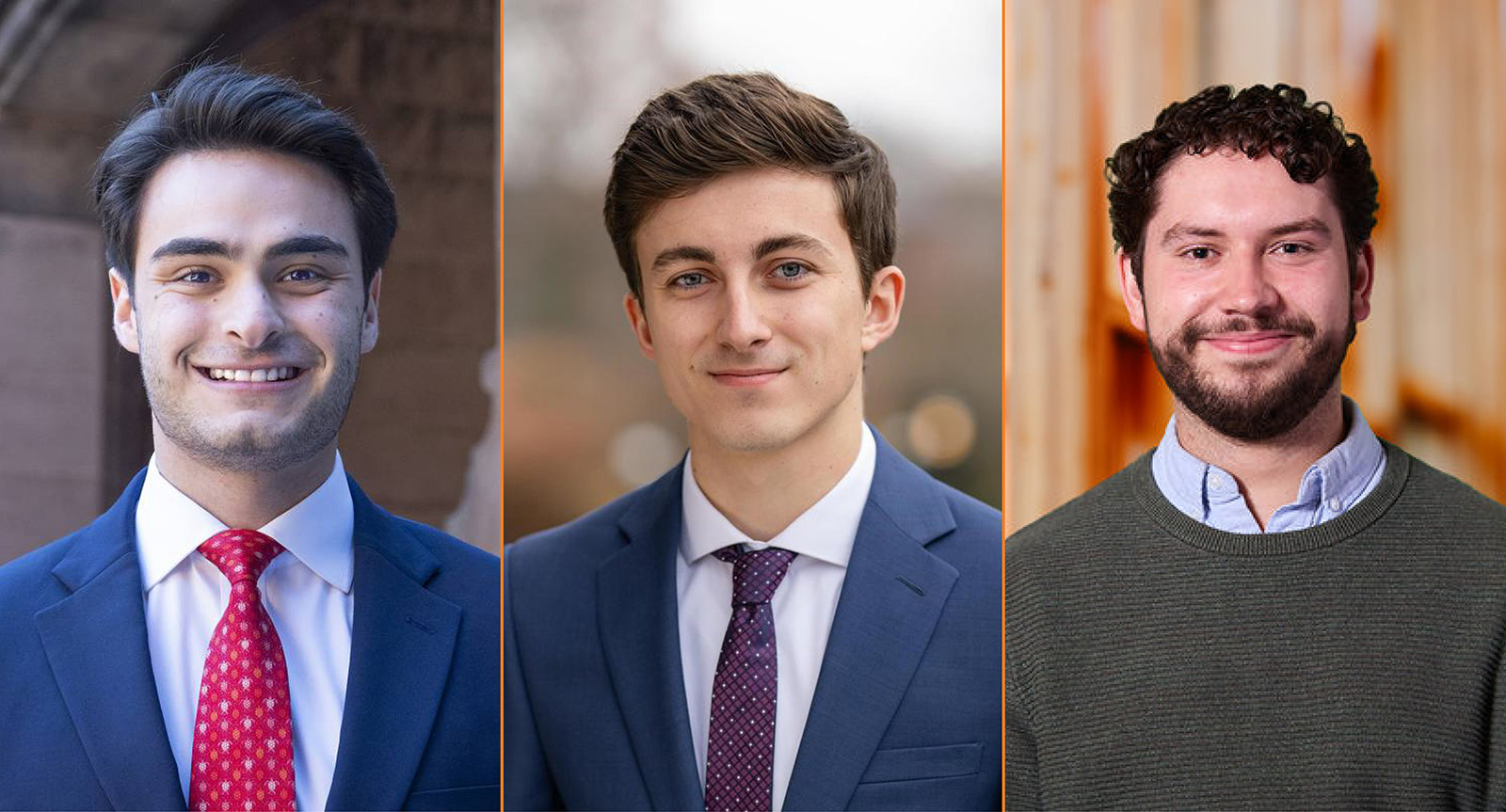
Photos by Denise Applewhite, Office of Communications; Sameer A. Khan/Fotobuddy
Princeton SPIA students were recognized as well. Senior Avi Attar was named a winner of the Moses Taylor Pyne Honor Prize, the highest general distinction conferred by the University on an undergraduate. Established more than a century ago, the prize is awarded to seniors who have most clearly manifested excellent scholarship, strength of character, and effective leadership. Senior Noah James received the Daniel M. Sachs Class of 1960 Graduating Scholarship, one of Princeton’s highest awards. James is now at the University Oxford, where he is pursuing two master’s degrees as the Sachs Scholar at Worcester College. Josh Heupel MPA ’25 was named a Knight-Hennessy Scholar, earning up to three years of funding toward a graduate degree at Stanford University.
Examining AI
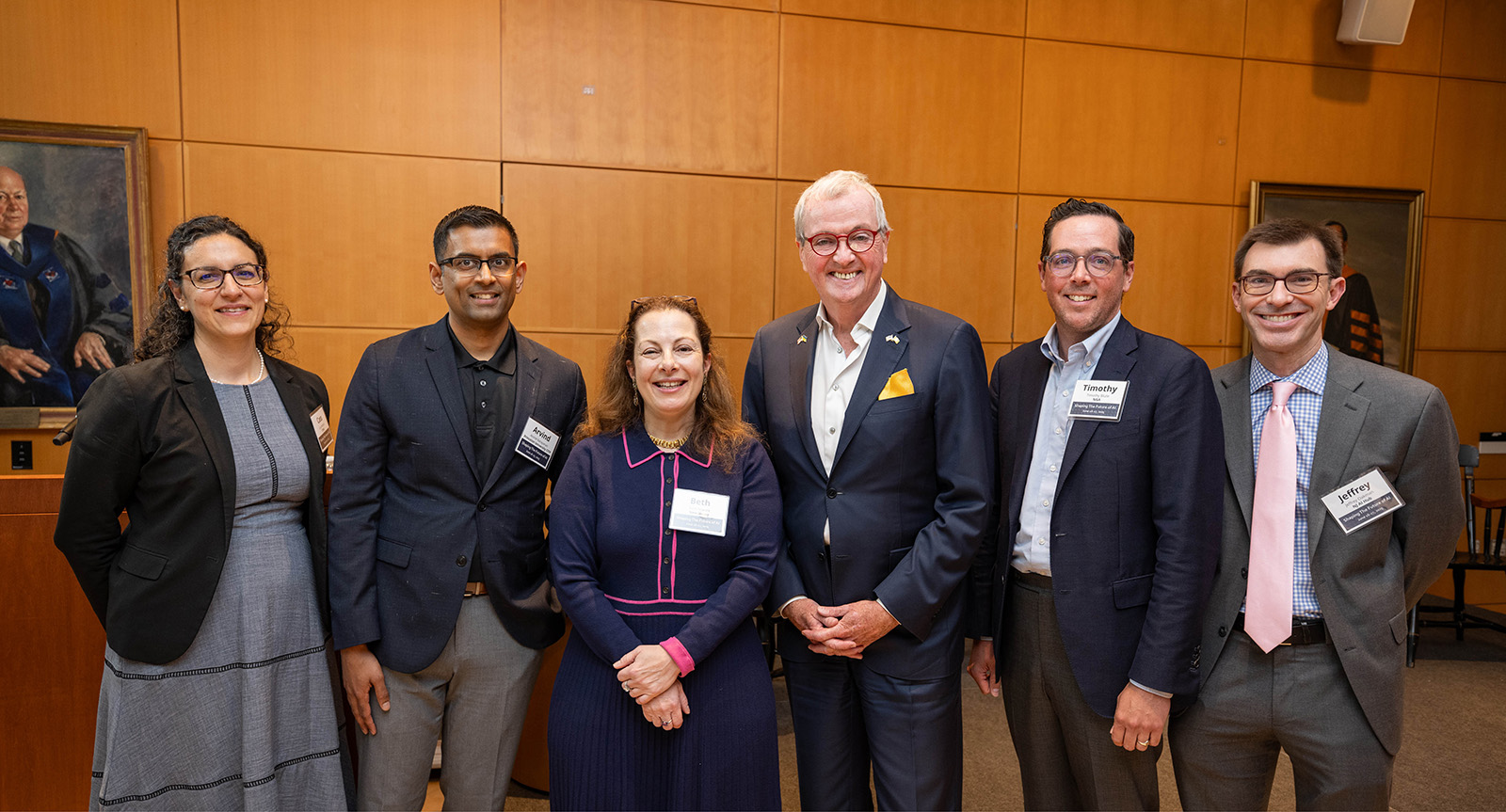
Photo by Sameer A. Kahn/Fotobuddy
The School’s Center for Information Technology Policy continued to enhance its reputation as a leading hub for artificial intelligence research. CITP researchers were among 100 experts from 33 countries and intergovernmental organizations to contribute to a U.K. government report on AI safety. Billed as “the world’s first comprehensive synthesis of current literature of the risks and capabilities of advanced AI systems,” the report outlines how AI could exacerbate risks such as the manipulation of public opinion, biological and chemical attacks, environmental impact, copyright infringement, and loss of privacy.
In addition, CITP co-hosted a gathering at Princeton for state AI leaders, including New Jersey Governor Phil Murphy, to discuss how artificial intelligence offers ways for government to be more efficient, effective, and transparent, especially at a time when budgets are strapped and economic uncertainty has slowed down hiring.
Off the Beaten Path
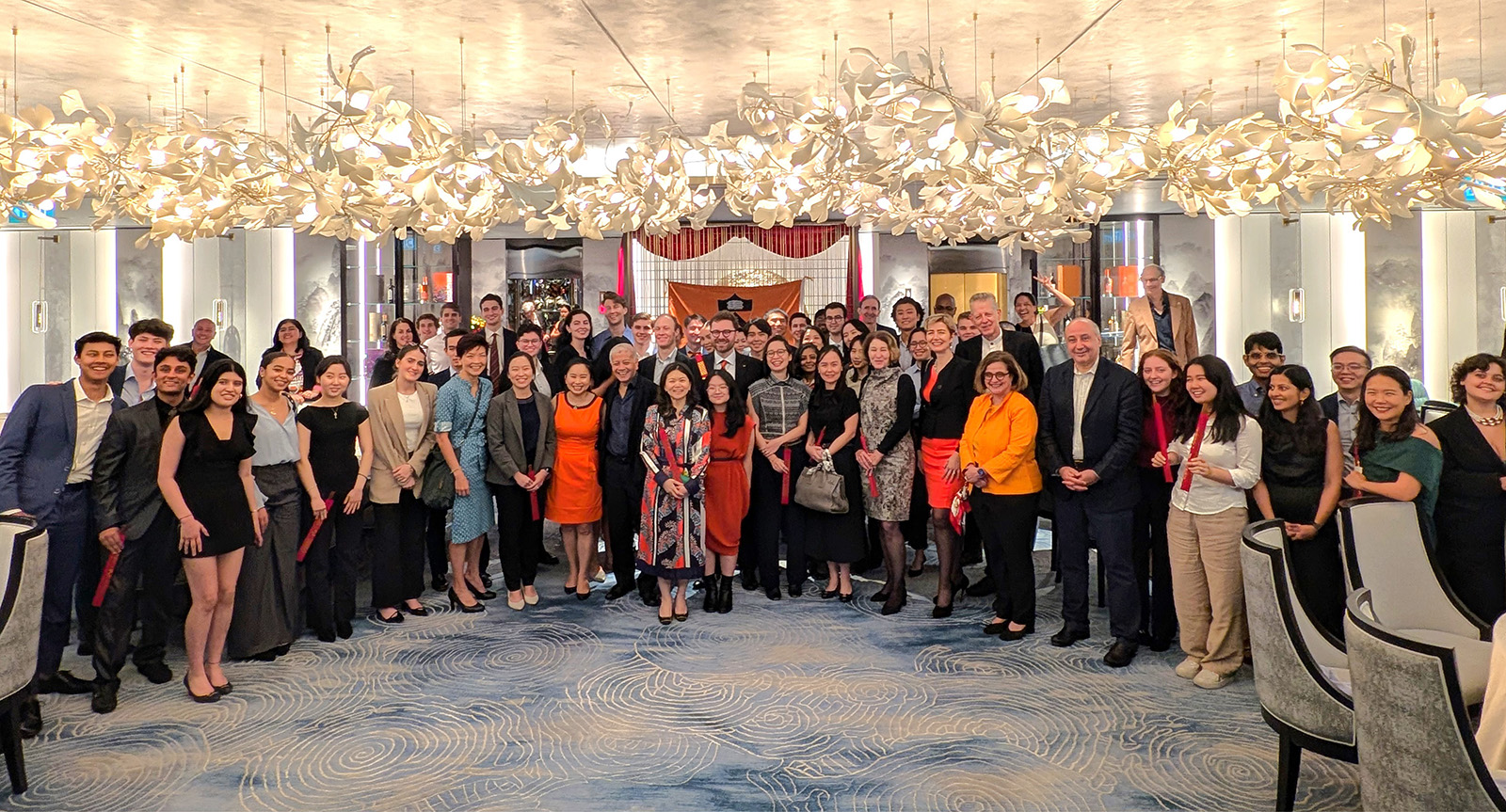
Photo by Heather Carmichael ’00, President
January saw several undergraduate trips to countries not often visited by students. Six students traveled to Cuba as part of a Wintersession workshop to analyze domestic and international impacts on the country’s efforts to achieve the Sustainable Development Goals, especially those dealing with sustainable agriculture and climate change, good health and wellbeing, quality education, and gender equality. Thirteen visited El Salvador for a policy task force to analyze first-hand the institutions, agents, and individuals that have been helped the country achieve a notably high level of development in the difficult context of Latin America. Twenty of the Liechtenstein Institute on Self-Determination’s International Policy Associates went to Taiwan and Singapore to ask high-level officials – including current and former heads of state – international journalists, and more than 100 Princeton alumni their thoughts on how changing politics in the United States could reshape the Asian Pacific.
Dining for Diplomacy
Leveraging its location in the nation’s capital, the Princeton SPIA DC Center hosted ambassadors and diplomats from four regions for its Diplomatic Corps Dinner Series, gatherings meant to foster substantive policy conversations and engagement with Princeton faculty. The regions represented were Latin America, the Asia-Pacific, Europe, and the Middle East.
Student Voices
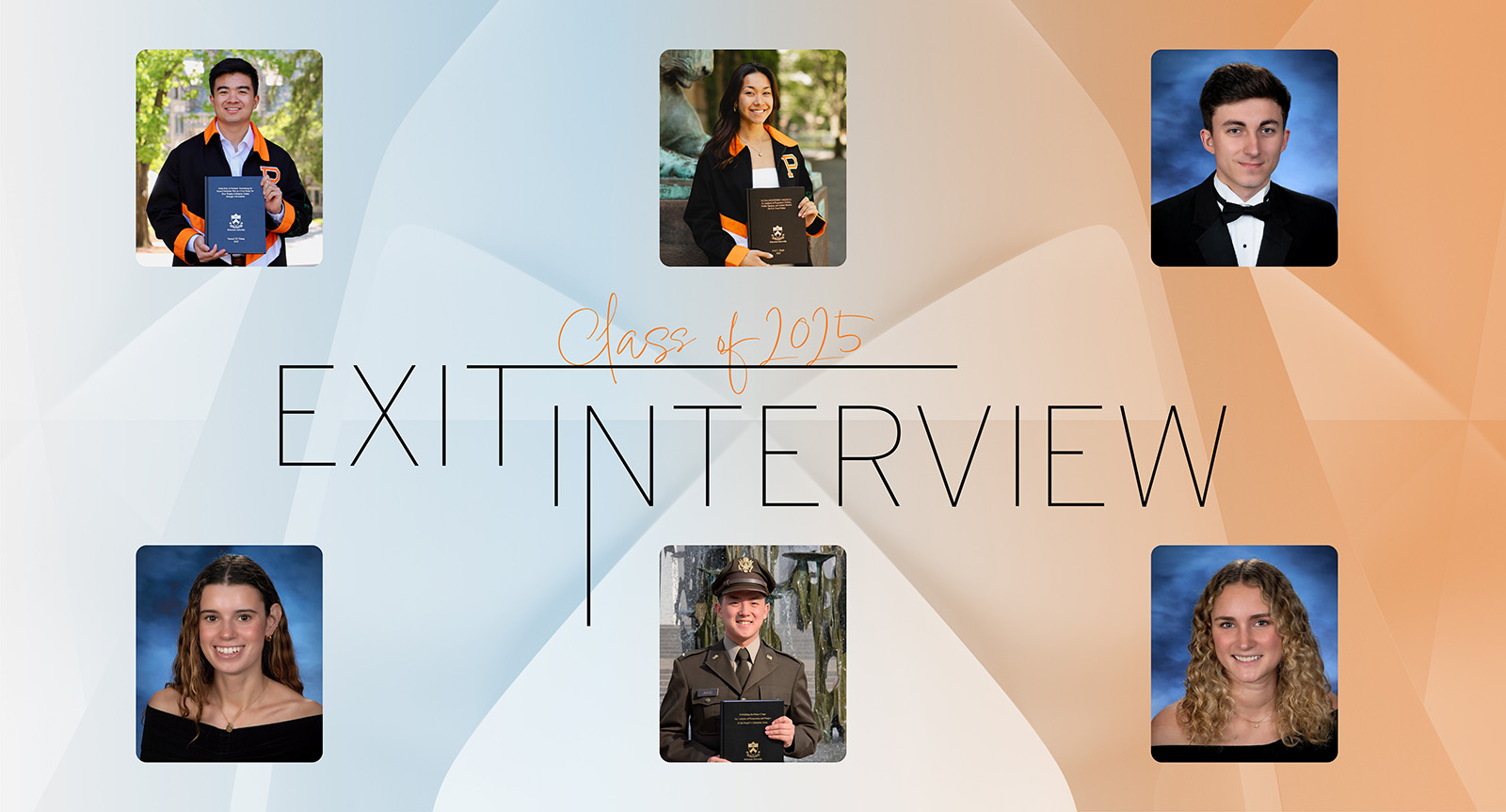
Graduating seniors’ voices were elevated thanks to Exit Interview, a new audio series focused on students who won prizes for their senior theses, which are the culmination of a year’s worth of research, interviews, and analysis on a policy topic. In their award-winning theses, the students, who discussed their work in interviews with the Public Affairs and Communications team, wrote about Ukraine’s use of drones in its conflict with Russia; the effectiveness of mechanisms to curb the use of small-scale chemical weapons; military purges in the Chinese Communist Party and coup-proofing strategies; ultra-processed foods; the Lundin Oil Trial; and the fate of abortion rights after the Supreme Court eliminated the constitutional right to abortion, returning the issue to individual states.
Impactful Classes
New and innovative courses gave SPIA students ample opportunity to explore important policy topics and gain vital skills. Aly Kassam-Remtulla, vice provost for international affairs and operations at Princeton, taught SPI 415, which explored contemporary issues in philanthropy through a focus on the world of foundations, grantmaking organizations, and nonprofits. Former Dean Cecilia Rouse taught SPI 414, which examined designing policy innovation, a reflection of her belief that the United States needs fresh approaches to the formidable problems it faces today.
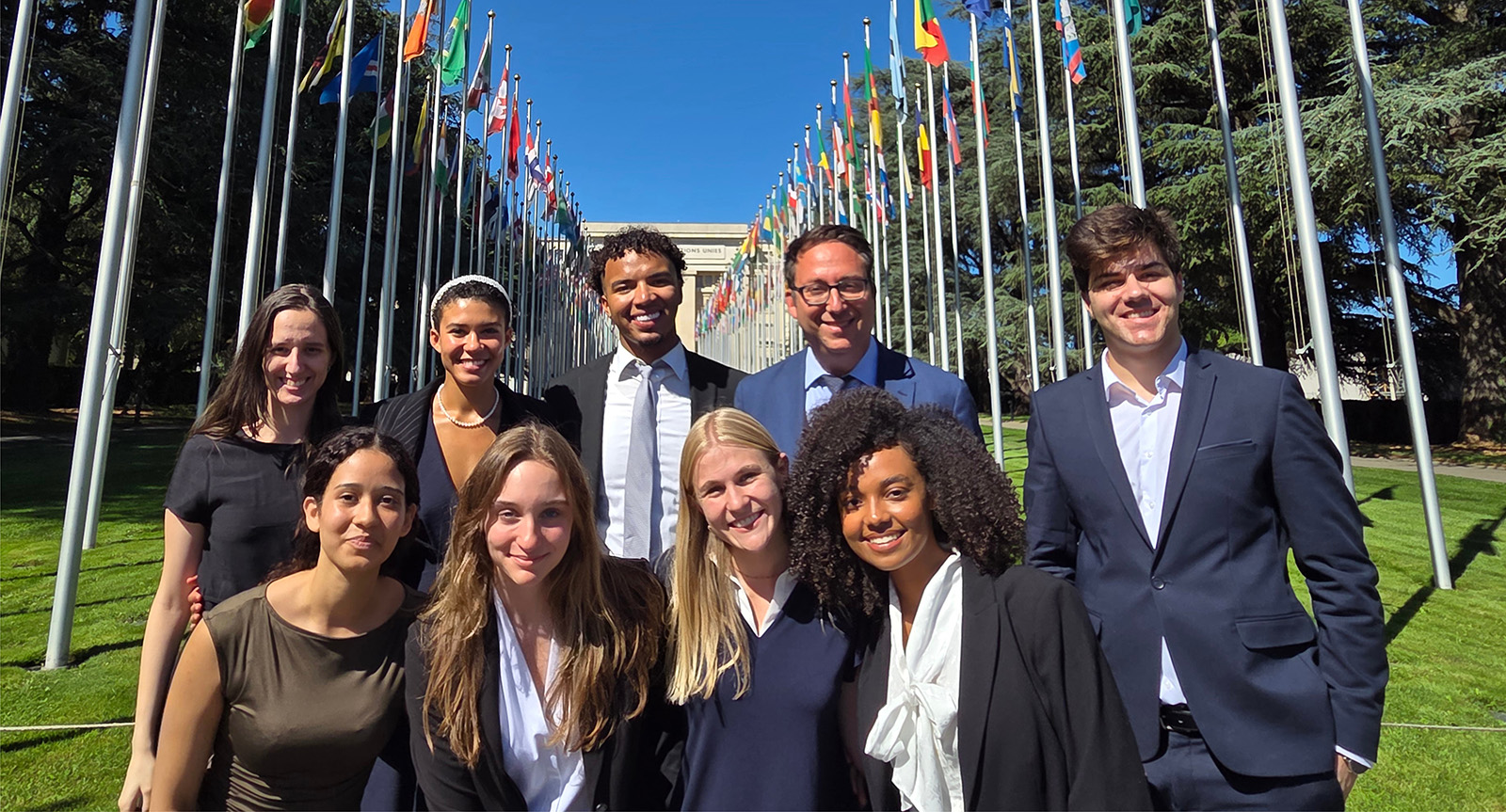
During the summer, eight undergraduates spent six weeks in Geneva, Switzerland, for a new, intensive task force modeled on Princeton SPIA’s unique Policy Advocacy Task Force. The students not only researched and wrote about the chosen policy topic — use of the death penalty in the United States — but they did so on behalf of the United Nations to contribute to a global report.
At the graduate level, a pair of popular classes helped students hone their leadership abilities. In “Values Based Leadership,” they studied on the qualities, tools, and actions of effective leaders. “Leadership in Policymaking” took a more focused approach, delving into the policymaking process that led to landmark climate legislation, landmark industrial policy for semiconductors, and the development of AI governance policies during the Biden administration.
Connecting Through Culture
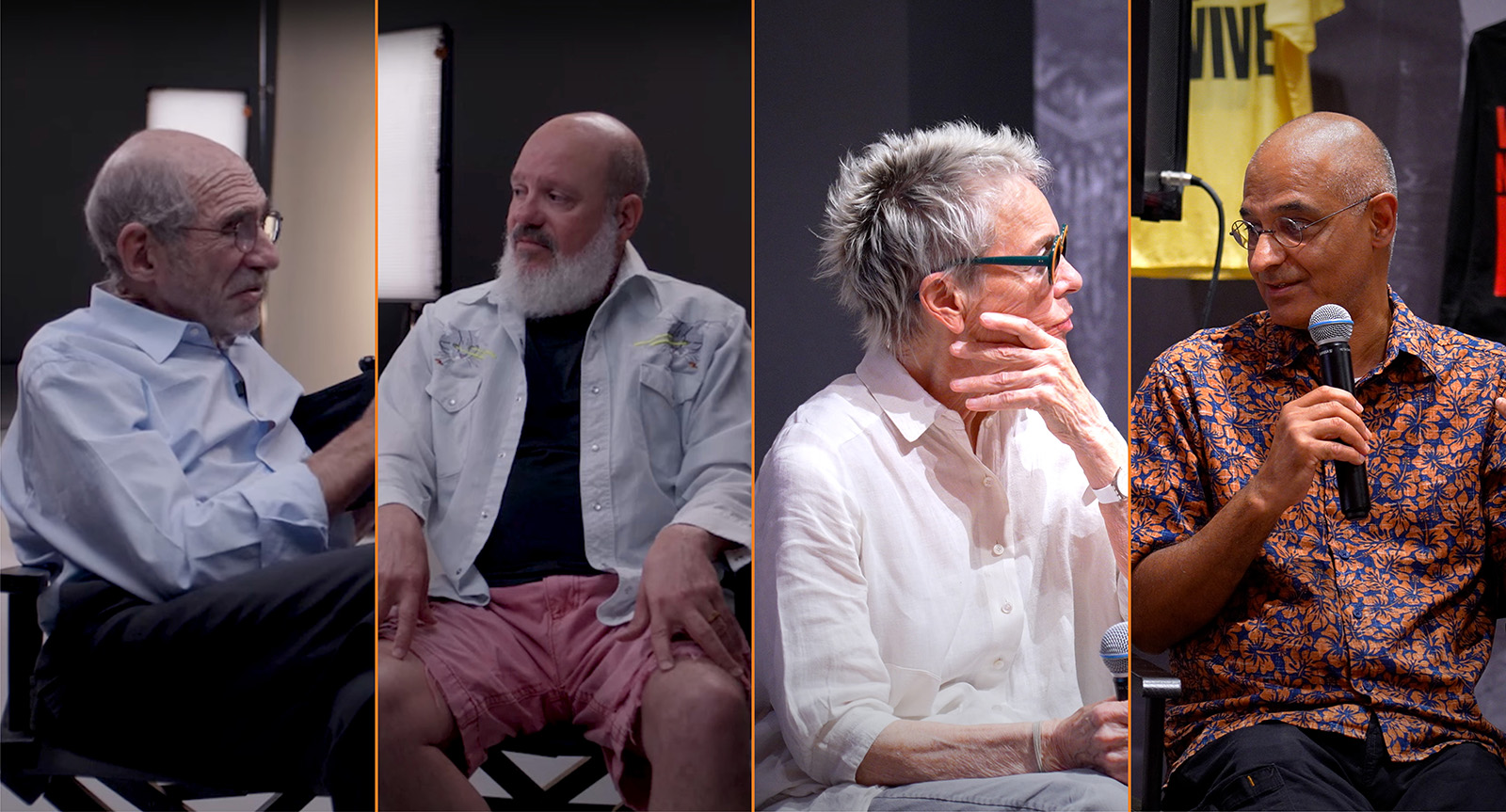
At a time when fewer than half of Americans see research scientists as good communicators, Princeton SPIA researchers this year shared their work through collaborations with figures known for connecting with their audiences: musicians and comedians.
In September, Zia Mian, a senior research scholar and co-director of the Program on Science and Global Security, engaged avant-garde icon and Grammy-winning performance artist Laurie Anderson in a discussion of nuclear disarmament. Earlier in the summer, Michael Oppenheimer, the Albert G. Milbank Professor of Geosciences and International Affairs and the director of the School’s Center for Policy Research on Energy and the Environment, filmed a video about the effects of climate change with David Cross, the comedic actor and Emmy-winning writer and producer whose credits include the acclaimed television series “Arrested Development” and “Mr. Show with Bob and David.”
Finally, over the summer, we canvassed the faculty for their recommended viewing and listening. In response, we received thoughts on a raft of audiobooks, podcasts, television shows, movies, and live music.
Top photo: Robertson Hall, Princeton University
Photo By Nicole Guglielmo